Traditional Teahouses vs. Modern Cafes: The Changing Face of Hong Kong Coffee Culture
 This photo was taken by Quang Nguyen Vinh on Pexels.
From Traditional Cha Chaan Tengs to Artisanal Brews
For decades, the heartbeat of Hong Kong's coffee culture has pulsed within the bustling, tiled walls of traditional cha chaan tengs. These iconic local eateries offer a unique fusion where the rich, creamy texture of egg tarts meets the distinctively bold taste of milk tea, often brewed with condensed milk and strong black tea leaves that define the city's culinary identity. Stepping into one of these establishments feels like time traveling; the air is thick with the aroma of toasted bread and the clatter of metal trays as waiters navigate through narrow aisles to serve patrons their favorite "Hong Kong Style" coffees, a testament to a heritage that values efficiency, warmth, and community over modern aesthetics.
In stark contrast, the city's skyline now mirrors its evolving palate with a surge of artisanal cafes and specialty roasteries that have emerged in trendy districts like Sheung Wan and Sai Ying Pun. Here, the narrative shifts from the nostalgic chaos of the past to a curated experience focused on single-origin beans, precision brewing methods like V60 or Chemex, and minimalist interiors designed for slow sipping and digital nomads. While the traditional cha chaan teng remains a beloved symbol of resilience and daily life, these modern spaces represent a new chapter where global coffee trends are reinterpreted through a distinctly Hong Kong lens, creating a vibrant dialogue between the old guard and the innovators shaping the future of the city's beverage scene.
 This photo was taken by Julia Volk on Pexels.
The Rise of Specialty Coffee in Urban Spaces
In the heart of Hong Kong's bustling metropolis, a quiet revolution is brewing as specialty coffee shops carve out their niche amidst towering skyscrapers and narrow alleyways. Unlike the ubiquitous chain outlets that once dominated the skyline, these modern cafes prioritize artisanal roasting, single-origin beans, and meticulous brewing techniques, transforming simple caffeine fixes into curated sensory experiences. From hidden gems tucked behind unassuming doors in Sheung Wan to sleek, minimalist spaces in Central, urban dwellers and tourists alike are drawn to the craftsmanship on display, where baristas treat coffee with the same reverence traditionally reserved for tea ceremonies.
This shift reflects a broader cultural evolution where the city's historic love affair with tea coexists dynamically with a burgeoning appreciation for global coffee culture. While traditional teahouses continue to serve as social hubs for older generations enjoying dim sum or mahjong, the new wave of cafes has become the preferred gathering spot for young professionals, creatives, and digital nomads seeking a contemporary workspace. This juxtaposition creates a unique urban tapestry where the aroma of freshly ground Arabica mingles with the scent of jasmine tea, symbolizing how Hong Kong seamlessly blends its deep-rooted heritage with the pulse of modern international trends.
 This photo was taken by freestocks.org on Pexels.
Where Heritage Meets Innovation: A Sip Through Time
In the heart of Central and Sheung Wan, where narrow alleyways whisper stories of colonial pasts, traditional teahouses stand as timeless sanctuaries serving robust Chinese teas that have warmed generations. These establishments, often characterized by their wooden furniture, bamboo steamers, and the rhythmic clinking of porcelain cups, offer a sensory journey back to Hong Kong's roots, where conversation flows as freely as the aged pu-erh or fragrant jasmine brews. Here, the pace is deliberately slow, inviting visitors to sit for hours over dim sum and engage in the art of leisurely sipping, preserving a cultural heritage that defines the city's soul amidst the relentless urban sprawl.
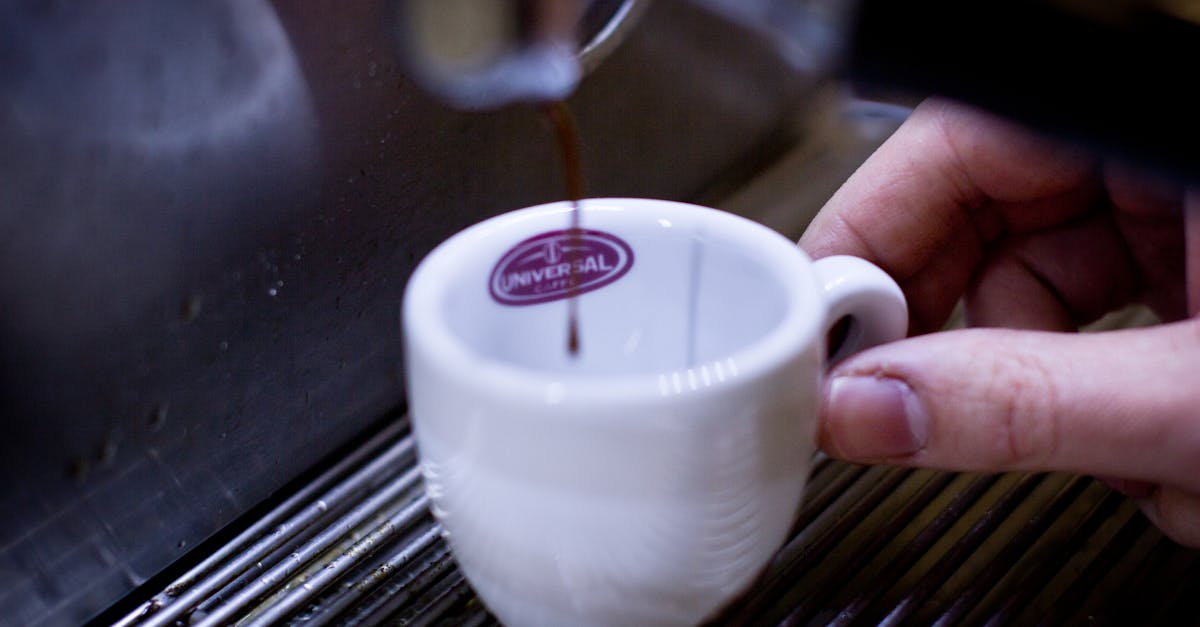
Yet, just a few steps away from these historic nooks, a vibrant revolution is brewing in sleek, minimalist cafes that blend international third-wave coffee trends with distinctly local aesthetics. From industrial-chic spaces in Tai Hang to hidden speakeasies in Sai Ying Pun, modern baristas craft intricate lattes using beans sourced globally while incorporating local ingredients like salted egg yolk or mango into their signature blends. This dynamic fusion creates a unique narrative where the precision of espresso machines meets the warmth of Cantonese hospitality, proving that Hong Kong's coffee culture is not merely about consuming caffeine but about experiencing a seamless dialogue between its rich history and its forward-looking innovation.
 This photo was taken by Ann H on Pexels.