Traditional Tea Houses vs. Modern Cafés: A Coffee Lover's Guide
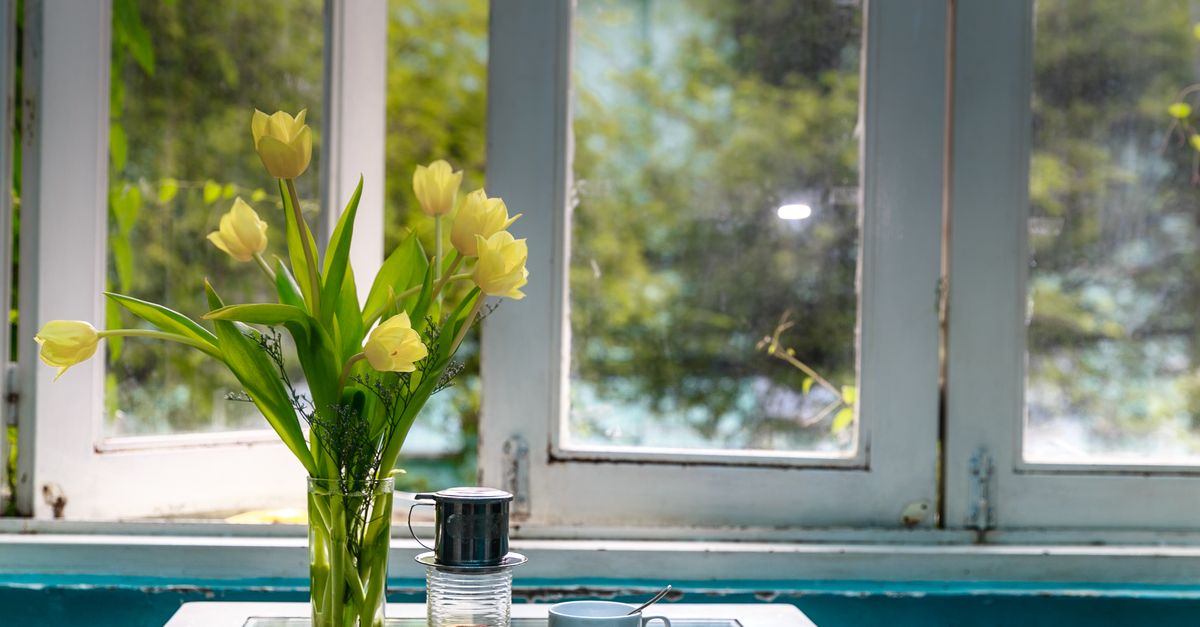 This photo was taken by Quang Nguyen Vinh on Pexels.
Welcome to the vibrant heart of Hong Kong, where the scent of aged mahogany and steaming oolong tea mingles seamlessly with the rich aroma of freshly roasted Arabica beans. As a local guide, I invite you on a sensory journey through our city's unique beverage landscape, exploring the delicate balance between ancient tradition and modern innovation. Whether you are a connoisseur seeking the ritualistic precision of Gongfu tea or a coffee enthusiast chasing the perfect espresso shot in a bustling laneway, this guide will help you navigate the diverse flavors that define our island. From the serene elegance of heritage tea houses nestled in historic districts to the trendy, Instagram-worthy cafés dotting Causeway Bay and Sheung Wan, prepare your palate for an unforgettable comparison of timeless brews versus modern roasts.
The Art of Gongfu Tea: A Journey Through Hong Kong's Heritage
Stepping into a traditional tea house in the bustling streets of Hong Kong offers a sensory retreat from the city's modern rhythm, where the art of Gongfu tea takes center stage. Here, skilled masters meticulously brew high-quality oolong or pu-erh using small clay teapots and precise temperature control, transforming a simple cup into a meditative ritual that has been passed down through generations. The atmosphere is often steeped in history, with wooden furniture and calligraphy adorning the walls, inviting visitors to slow down and appreciate the subtle nuances of each infusion while engaging in quiet conversation about life's finer moments.
This ancient practice serves as a profound counterpoint to the vibrant café culture found throughout the territory, yet it remains an essential part of Hong Kong's living heritage for both locals and tourists. Unlike the quick-grab espresso shots common in modern coffee shops, the Gongfu experience encourages mindfulness and connection, making it a unique cultural immersion for travelers seeking authenticity. Whether you are sipping a fragrant Tieguanyin in a historic Yau Ma Tei shop or exploring a heritage site in Sheung Wan, participating in this timeless ceremony provides a deeper understanding of the Cantonese spirit and the enduring legacy of tea in our daily lives.
 This photo was taken by Erik Mclean on Pexels.
Café Culture on the Streets: Where East Meets West
Wandering through the bustling streets of Hong Kong, you will quickly discover a unique culinary landscape where colonial history and modern innovation dance together. The city's café culture is not merely about caffeine; it is a vibrant social fabric woven from old-world charm and contemporary flair. Step into a dimly lit shop in Central or Sheung Wan, and you might find vintage armchairs facing floor-to-ceiling windows that offer views of towering skyscrapers, while the aroma of freshly ground Arabica beans mingles with the scent of roasting tea leaves drifting from nearby traditional establishments. This juxtaposition creates an atmosphere unlike anywhere else, where the clinking of porcelain cups echoes against the backdrop of street vendors selling egg tarts, bridging the gap between the quiet contemplation of a morning brew and the energetic pulse of the metropolis.
What truly defines this "East meets West" experience is the creative fusion found in every corner of the island, particularly in trendy districts like Sai Ying Pun and Kennedy Town. Local baristas are renowned for their inventive approaches, often incorporating indigenous ingredients such as milk tea, lychee, or even roasted sweet potato into their espresso-based creations, offering a taste of local heritage in a global format. Whether you are sipping on a classic Yuenyeung (a mix of coffee and tea) served in a retro tin cup or exploring avant-garde third-wave coffee shops that double as art galleries, Hong Kong invites you to slow down amidst the urban rush. It is a destination where the past and present coexist harmoniously, making every cup of coffee a story of cultural convergence waiting to be savored.
 This photo was taken by Quang Nguyen Vinh on Pexels.
A Comparative Tasting: Timeless Brews vs. Modern Roasts
Stepping into a traditional tea house in Hong Kong is akin to stepping back into the city's colonial past, where the air is thick with the aromatic steam of Gaiwan-brewed Oolong or the rich, milky embrace of classic Egg Tea. These timeless brews are not merely beverages but cultural rituals served in ceramic pots that have been passed down through generations, often accompanied by the gentle clinking of porcelain and the soft murmur of Cantonese conversation. Here, the focus is on the slow extraction of flavor and the appreciation of leaf quality, offering a serene escape from the frenetic energy of the streets while honoring the deep-rooted heritage of Chinese tea culture.
In stark contrast, the modern cafés scattered across neighborhoods like Sheung Wan and Kennedy Town celebrate the art of the espresso shot and the craft of third-wave roasting, transforming Hong Kong into a vibrant hub for contemporary coffee enthusiasts. These spaces showcase locally sourced beans roasted to perfection, highlighting notes of chocolate, fruit, and floral undertones that rival international specialty standards, all within interiors designed with industrial chic aesthetics and minimalist decor. Whether you are sipping a meticulously layered flat white or experimenting with pour-over methods, these modern roasts offer a dynamic fusion of global coffee trends and Hong Kong's unique urban pulse, proving that the city's love for caffeine has evolved just as rapidly as its skyline.
This photo was taken by Erik Mclean on Pexels.