The History of Hong Kong: From Fishing Village to Global Hub
 This photo was taken by Erik Mclean on Pexels.
The Early Days: A Quiet Fishing Village and British Colonization
Before the gleaming skyscrapers of Central pierced the skyline, Hong Kong was a humble collection of scattered fishing villages and quiet agricultural hamlets where life moved to the rhythm of the tides. In these early days, local communities relied on salt production, fishery, and small-scale farming, living in relative isolation from the bustling world beyond the South China Sea. The area's strategic location was not yet recognized as a global asset; instead, it served primarily as a shelter for junks and a source of fresh water and food for passing sailors. This tranquil existence persisted until the mid-19th century, when the geopolitical landscape shifted dramatically following the First Opium War.
The signing of the Convention of Chuenpi in 1841 marked the beginning of British colonization, transforming the region from a remote outpost into a pivotal trading post for the British Empire. Under colonial rule, Hong Kong rapidly evolved from a sleepy port into a free port with minimal taxation, attracting merchants from around the globe and sparking an economic boom that reshaped its identity. While this era brought infrastructure development and urbanization, it also initiated a complex history of cultural fusion and social change, laying the foundational bricks for what would eventually become one of the world's most dynamic financial hubs.
This photo was taken by Erik Mclean on Pexels.
The War Years and Post-War Economic Miracle
For the modern traveler, the scars of the past are often hidden beneath a gleaming skyline, yet Hong Kong's resilience during the War Years (1941–1945) remains a profound chapter in its identity. During the Japanese occupation, the city endured severe hardship, with rationing and repression turning a bustling port into a place of survival; however, this dark period forged an unbreakable spirit among its people. The liberation in 1945 did not immediately bring peace, as civil war in China triggered a massive influx of refugees seeking safety and opportunity. This sudden population boom, combined with a lack of resources, laid the chaotic but fertile groundwork for the dramatic transformation that would soon follow.
Emerging from the shadows of conflict, Hong Kong experienced one of history's most remarkable economic miracles between the late 1940s and the 1990s. Fueled by an entrepreneurial workforce, foreign investment, and a strategic position as a gateway to mainland China, the city rapidly evolved from a humble fishing village into a global financial powerhouse. By the time of the handover in 1997, the skyline was already dominated by towering skyscrapers, symbolizing a "miracle" built on hard work and adaptability. Today, as you stroll through Central or visit the historic sites of Kowloon, you can trace the arc of this incredible journey, where the grit of the war years directly fueled the dynamism of a modern metropolis that continues to captivate visitors from around the world.
 This photo was taken by ali Saleh on Pexels.
From Handover to Modern Metropolis: The Global Financial Hub
The year 1997 marked a profound turning point as Hong Kong peacefully transitioned from British colonial rule to become the Special Administrative Region of China under the "One Country, Two Systems" principle. Rather than signaling an end to its global prominence, this historic handover catalyzed a new era where Hong Kong seamlessly integrated into the mainland's economic powerhouse while retaining its unique legal and financial systems. The city successfully navigated complex geopolitical shifts, including the Asian Financial Crisis and subsequent global challenges, emerging not just resilient but more robust. This strategic autonomy allowed it to maintain its status as a bridge between East and West, fostering an environment where international businesses could thrive with confidence, cementing its reputation as a stable and dynamic gateway to the Chinese market.
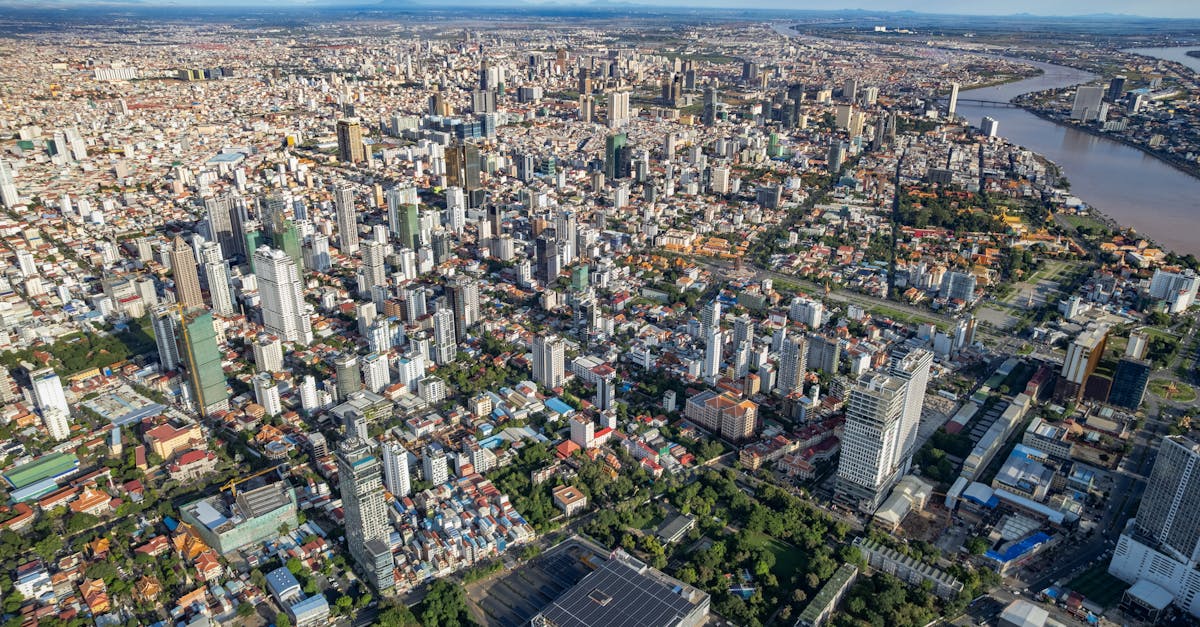
Today, Hong Kong stands as a towering symbol of modern urban efficiency and a premier global financial hub, boasting one of the world's most open economies and a skyline that rivals any metropolis on Earth. With its iconic Victoria Harbour serving as a bustling backdrop, the city hosts over 400 banks and numerous multinational corporations, facilitating trillions in cross-border transactions annually. The seamless blend of traditional Cantonese culture with cutting-edge technology is evident everywhere, from the ubiquitous Octopus card system to the rapid expansion of fintech startups. As the People's Republic of China continues to deepen its integration with global markets, Hong Kong remains the indispensable link, offering visitors a front-row seat to the pulse of Asia's economic engine amidst a landscape of gleaming skyscrapers and vibrant street life.
 This photo was taken by Nara Tsitra on Pexels.