The Art of Tea: Visiting Traditional Cha Chaan Tengs
· 6 min read
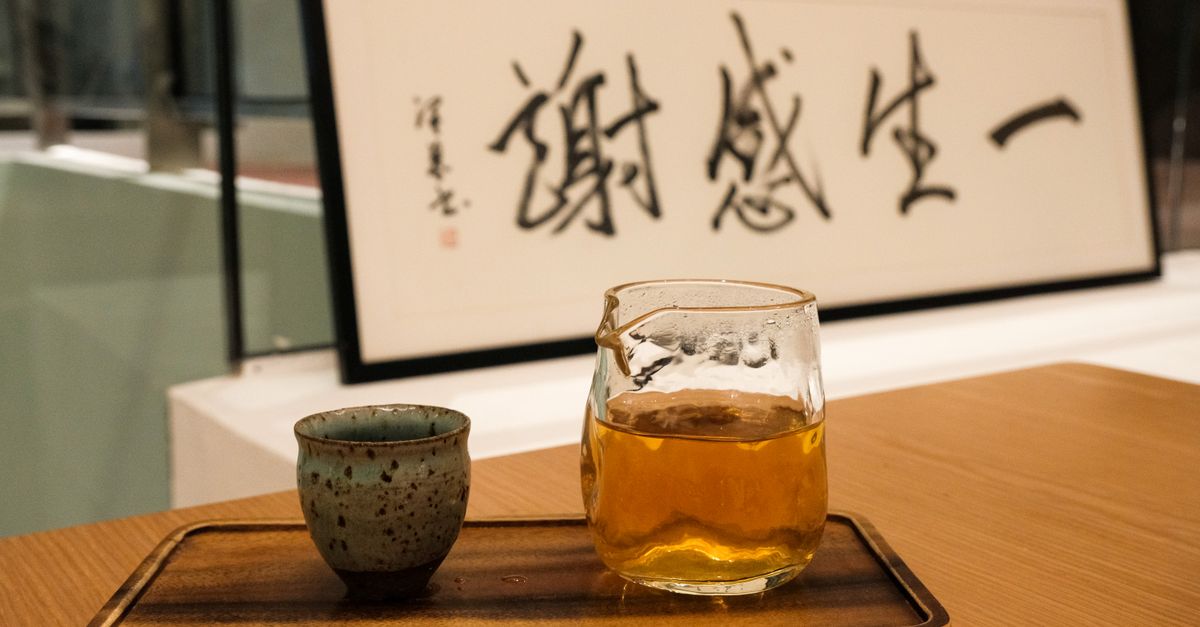 This photo was taken by Richard L on Pexels.
Welcome to the heart of Hong Kong's culinary soul, where the clatter of metal trays and the hiss of steam create a symphony of everyday life. In "The Art of Tea: Visiting Traditional Cha Chaan Tengs," we invite you to step away from the neon skyline and into cozy, retro diners that have served as community living rooms for generations. From the creamy perfection of our iconic egg tarts and rich milk tea to the unspoken etiquette that defines these bustling spaces, this journey is a celebration of local heritage. Join us as we uncover the stories behind hidden gems and explore the oldest tea houses that continue to preserve the authentic taste of nostalgia in our dynamic city.
A Taste of Nostalgia: The Iconic Egg Tarts and Milk Tea
Stepping into a traditional Cha Chaan Teng is like turning back the clock to Hong Kong's bustling mid-20th century, where the air is thick with the scent of roasted coffee and the clatter of porcelain. At the heart of this culinary time capsule sits the iconic egg tart, a perfect marriage of flaky, buttery pastry and a silky, caramelized custard filling that melts in your mouth. Each bite offers a comforting warmth, reminiscent of simple joys from decades past, while the accompanying milk tea provides a creamy, robust counterpoint. Brewed by pulling the strong black tea through a cloth filter to create a unique frothy texture, this drink is not merely a beverage but a ritual that has defined the city's daily rhythm for generations.
The magic of these establishments lies in how they preserve the soul of Hong Kong amidst its modern skyline. As you sip your golden-hued milk tea and savor the sweet, eggy richness of the tart, you are participating in a shared cultural experience that transcends mere dining. Whether you are watching locals rush in during their lunch break or sitting quietly observing the street life outside, the combination of these two humble treats offers an authentic taste of nostalgia. It is a sensory journey that captures the essence of the city's resilience and charm, making every visit to a Cha Chaan Teng a memorable chapter in your travel story.
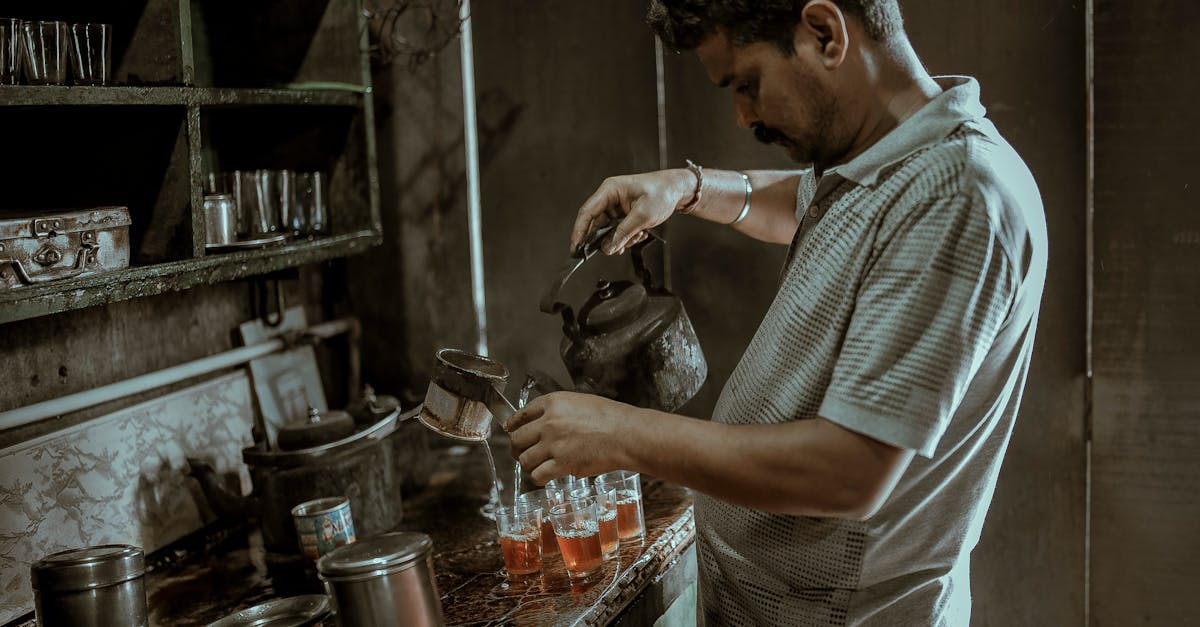 This photo was taken by anil kumar on Pexels.
Beyond the Menu: Understanding Cha Chaan Teng Culture
Stepping into a Cha Chaan Teng is less about dining and more about stepping back in time to a unique Hong Kong era where the hustle of the city meets the warmth of community. These unpretentious cafes, often characterized by their checkered floors, chrome stools, and mirrored walls, serve as the living room for locals, offering a sanctuary where anyone from office workers on a lunch break to students studying late can find a seat at a low price. The atmosphere is defined by a gentle, chaotic energy; the clatter of metal trays, the hiss of espresso machines, and the rapid-fire ordering in Cantonese create a symphony that feels distinctly local. Here, the menu is merely an entry point to a deeper cultural experience, where the real magic lies in observing how generations gather to share stories over a simple cup of milk tea and a plate of egg waffles.
Understanding the culture of these establishments requires embracing their specific rituals and the concept of "Yum Cha" beyond dim sum. In a Cha Chaan Teng, the service is brisk yet efficient, reflecting the fast-paced nature of Hong Kong life, while the food itself represents a beautiful fusion of British colonial influence and traditional Chinese flavors. It is a place where tradition is preserved not through stiff formality but through consistency and affordability, making it a vital part of the city's identity. For visitors, engaging with this culture means respecting the quick turnover of tables, appreciating the artistry behind dishes like buttered toast or pineapple buns, and recognizing that these humble eateries are the true heartbeat of Hong Kong, preserving its soul amidst towering skyscrapers.
 This photo was taken by Quang Nguyen Vinh on Pexels.
Hidden Gems: Exploring Hong Kong's Oldest Tea Houses
While the neon-lit streets of Causeway Bay buzz with modern energy, stepping into a dimly lit corner in Sheung Wan or Sham Shui Po reveals a world untouched by time. These ancient tea houses, some established before the handover and dating back to the mid-20th century, serve as living museums where the clatter of porcelain cups echoes against peeling tiled walls. Unlike the sleek, minimalist cafes dominating the cityscape, these spots offer an authentic sensory experience: the rich aroma of roasted barley tea mingling with the scent of damp wood, while elderly patrons engage in hushed conversations over newspapers and mahjong tiles. Here, the menu is a curated list of classics like egg tarts baked to golden perfection and buttered toast that melts in your mouth, all served on chipped ceramic plates that tell stories of decades gone by.
Visiting these hidden gems requires a keen eye for unassuming storefronts often marked only by faded red signs or handwritten menus in traditional calligraphy. The atmosphere inside is a unique blend of nostalgia and community, where the rhythmic sound of the coffee grinder and the steam rising from hot pots create a comforting sanctuary. Whether you are sipping on a creamy pineapple milk tea or enjoying a simple bowl of wonton noodles, you are not just consuming food but participating in a cherished cultural ritual that has defined Hong Kong's social fabric for generations. It is a reminder that amidst the towering skyscrapers, the soul of the city still beats within these humble, historic tea houses.
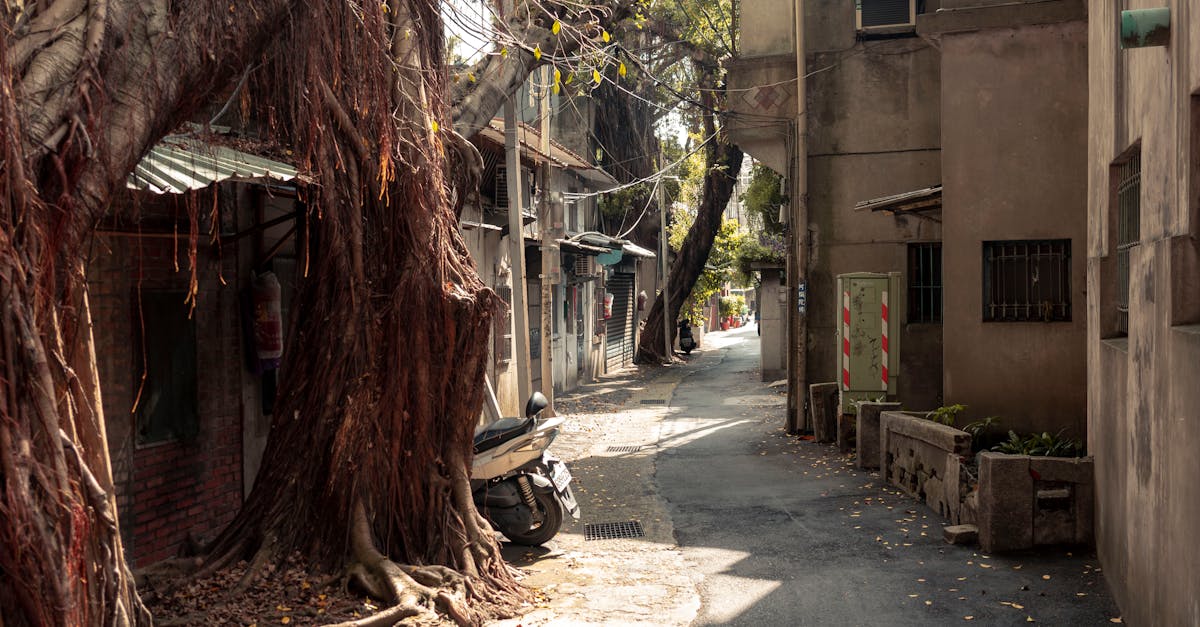 This photo was taken by Jimmy Liao on Pexels.