Sustainable Tourism: Eco-Friendly Ways to Explore HK
 This photo was taken by Quang Nguyen Vinh on Pexels.
Welcome to Hong Kong, a dynamic metropolis where towering skyscrapers meet lush green mountains and crystal-clear waters. While often celebrated for its vibrant skyline and bustling street life, this incredible city also offers a profound connection to nature that many visitors overlook. In this post, we invite you to discover the hidden eco-friendly gems of our beloved home. From trekking through serene country parks to savoring locally sourced cuisine and respecting our precious marine ecosystems, we will explore how you can travel responsibly while experiencing the true soul of Hong Kong. Join us as we uncover sustainable ways to make your next visit both memorable and kind to our planet.
Hiking Hong Kong's Green Trails
While Hong Kong is globally renowned for its towering skyscrapers and vibrant urban energy, it is equally captivating as a haven for nature lovers seeking refuge in its lush greenery. With over 40% of the city's land designated as country parks, the Green Trail Network offers an extensive system of well-maintained paths that weave through diverse ecosystems, from the misty peaks of Lantau Island to the rugged coastline of Sai Kung. Whether you are tackling the challenging ascent of Dragon's Back or enjoying a leisurely stroll along the serene MacLehose Trail, these trails provide a unique opportunity to disconnect from the city's hustle and reconnect with the natural world, all while supporting local conservation efforts.
Embracing sustainable tourism on these trails means adopting eco-friendly practices that preserve Hong Kong's precious biodiversity for future generations. Visitors are encouraged to follow the "Leave No Trace" principles by carrying out all waste, staying on marked paths to prevent soil erosion, and respecting wildlife habitats without feeding or disturbing animals. By choosing reusable water bottles, using biodegradable products, and utilizing public transport to reach trailheads, tourists can significantly reduce their carbon footprint. This mindful approach ensures that Hong Kong's stunning landscapes remain pristine, allowing everyone to enjoy the tranquility of its green lungs responsibly.
 This photo was taken by Quang Nguyen Vinh on Pexels.
Sustainable Stays and Local Eats
Embracing sustainable tourism in Hong Kong begins with choosing accommodations that prioritize environmental stewardship without compromising on luxury or comfort. Many boutique hotels and eco-certified hostels across the territory have adopted green initiatives, such as solar power integration, rainwater harvesting systems, and zero-waste policies to reduce their carbon footprint. Staying in these establishments not only supports local businesses committed to preserving our vibrant city but also offers travelers a unique opportunity to experience authentic hospitality while minimizing their ecological impact. From the bustling streets of Causeway Bay to the serene hills of Lantau Island, you can find lodging that blends modern design with nature-friendly practices, allowing you to rest easy knowing your stay contributes positively to Hong Kong's long-term sustainability goals.
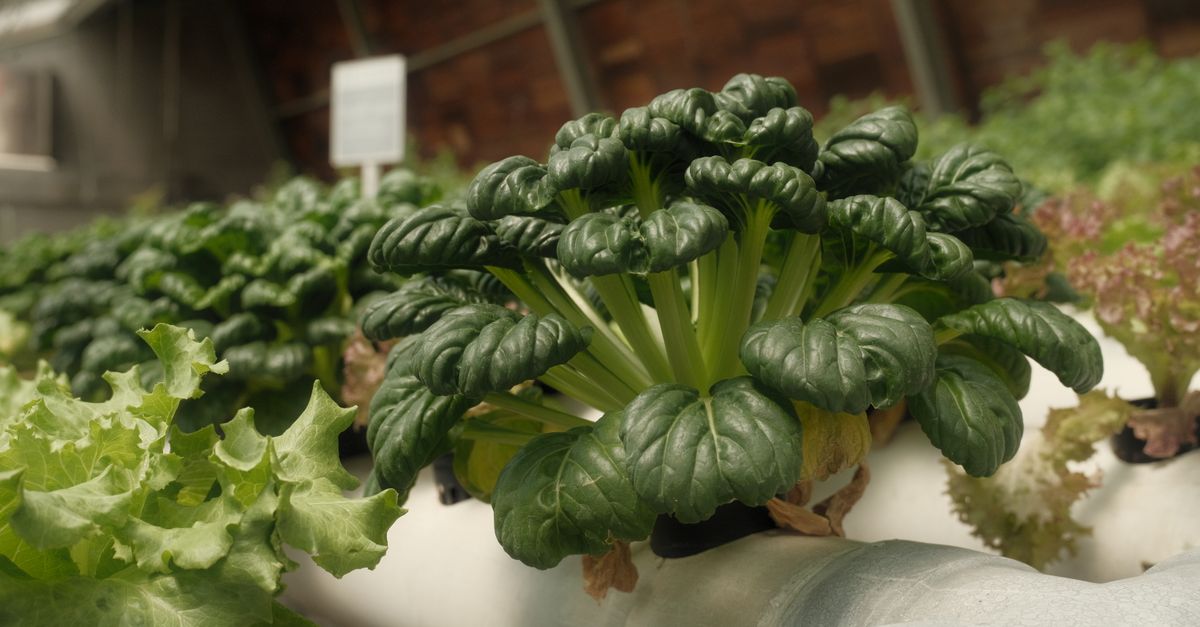
Culinary exploration is another cornerstone of an eco-conscious journey, and Hong Kong's food scene offers a wealth of delicious, locally sourced options that celebrate seasonal produce and traditional farming methods. Seek out restaurants and street stalls that source ingredients from nearby organic farms in the New Territories or utilize upcycled ingredients to minimize food waste, reflecting the city's growing commitment to a circular economy. Diners can enjoy everything from fresh dim sum made with heritage vegetables to plant-based versions of classic Cantonese dishes at innovative eateries dedicated to reducing meat consumption. By dining at these establishments, visitors directly support local farmers and chefs who are redefining Hong Kong's gastronomic identity through sustainable practices, ensuring that every meal tells a story of respect for both people and the planet.
 This photo was taken by Leonard Antasari on Pexels.
Protecting Our Blue Waters
Protecting Our Blue Waters
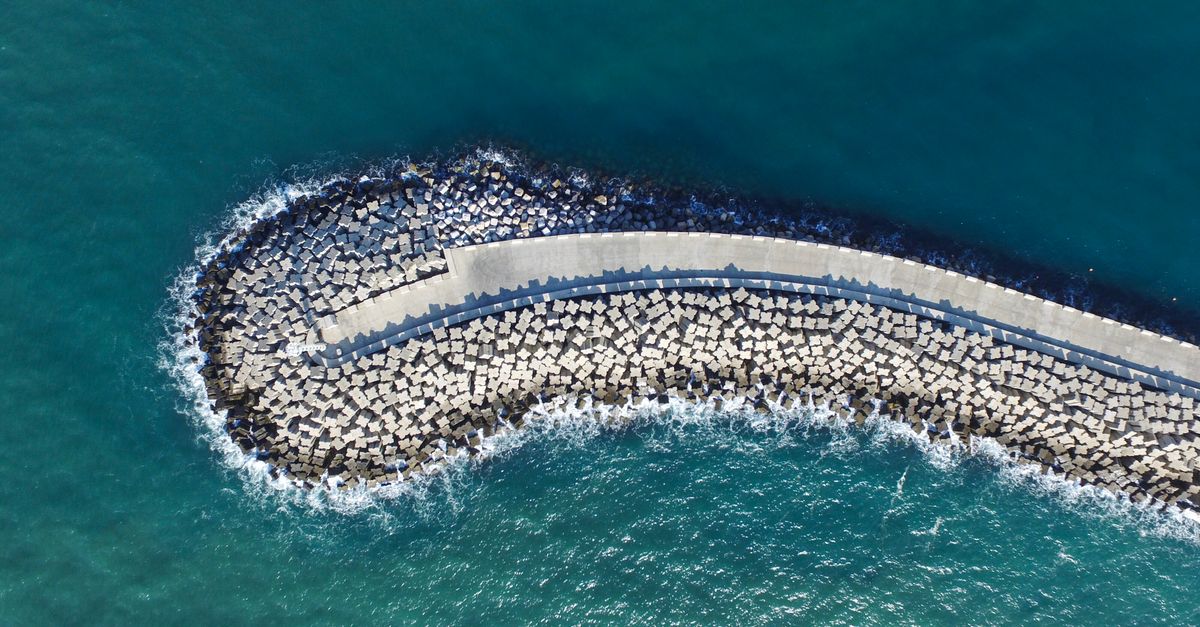
Hong Kong's coastline is a vibrant tapestry of marine life, from the playful spinner dolphins that grace our waters to the delicate coral reefs nestled in secluded bays. As we welcome visitors to explore this aquatic paradise, it is crucial that we treat these precious resources with the utmost care. Simple yet impactful actions, such as refusing single-use plastics during boat trips and choosing operators who adhere to strict eco-certifications, help minimize pollution and protect our underwater ecosystems. By respecting marine sanctuaries and avoiding disturbances to wildlife, tourists can ensure that the stunning blue hues of Victoria Harbour and the country parks remain unblemished for future generations.
Beyond individual choices, sustainable tourism in Hong Kong thrives on community engagement and education. Many local organizations offer guided nature walks and snorkeling tours designed to raise awareness about marine conservation, allowing travelers to learn directly from experts while contributing to research efforts. Whether you are kayaking through the mangroves of Mai Po or diving off the southern islands, remember that your presence has an impact; by leaving only footprints and taking only memories, you become an active guardian of our blue waters. Together, we can preserve Hong Kong's unique maritime heritage, ensuring that its natural beauty continues to inspire awe and wonder for years to come.
 This photo was taken by Shabtai Tal on Pexels.