Sustainable Tourism: Eco-Friendly Activities and Green Initiatives in Hong Kong
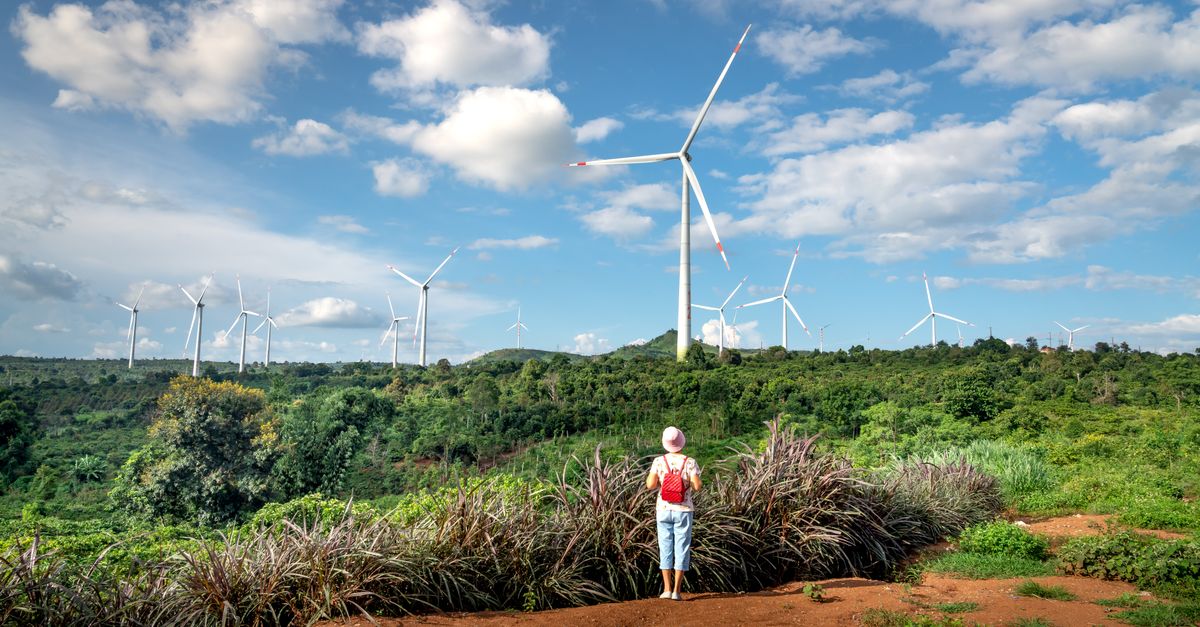 This photo was taken by Quang Nguyen Vinh on Pexels.
Welcome to the vibrant heart of Asia, where the skyline's glittering skyscrapers meet a surprising tapestry of lush nature and forward-thinking sustainability. While Hong Kong is often celebrated for its bustling streets and world-class dining, it is also a hidden gem for eco-conscious travelers seeking a greener way to explore. In this post, we invite you to discover how our city seamlessly blends urban energy with environmental stewardship. From wandering through the serene trails of our "green lungs" to joining local initiatives that protect our marine life, we will guide you through sustainable adventures that leave no trace but memories. Join us as we walk the talk, uncovering how Hong Kong is pioneering urban green initiatives that prove a metropolis can thrive while respecting the planet.
Exploring Hong Kong's Green Lungs: A Guide to Its Nature Reserves
Despite its reputation as a concrete jungle, Hong Kong boasts over 40% of its land area designated as country parks and nature reserves, offering a stunning contrast to the urban skyline. Visitors can immerse themselves in these "green lungs" by hiking the famous Dragon's Back trail, which winds through lush hillsides teeming with diverse flora and fauna, or exploring the tranquil wetlands of Mai Po Nature Reserve, a critical stopover for migratory birds on the East Asian-Australasian Flyway. These protected areas are not just scenic escapes but vital sanctuaries where the city's unique biodiversity thrives, allowing tourists to disconnect from the hustle while witnessing the delicate balance between urban development and conservation.
Exploring these natural havens is also a cornerstone of sustainable tourism in Hong Kong, encouraging responsible travel practices that minimize environmental impact. Many reserves offer guided eco-tours led by local experts who educate visitors on the importance of preserving native habitats, such as the rare Formosan Sika deer found in the Shek O Country Park. By adhering to strict "leave no trace" principles and utilizing the extensive network of well-maintained trails and public transport links, travelers contribute directly to the preservation of these ecosystems. This approach ensures that future generations can continue to enjoy Hong Kong's breathtaking natural beauty while supporting local initiatives dedicated to ecological restoration and education.
 This photo was taken by Erik Mclean on Pexels.
Sustainable Adventures: Eco-Friendly Hiking and Water Activities
Hong Kong's verdant landscapes offer a perfect backdrop for sustainable adventurers seeking to disconnect from the urban hustle while reconnecting with nature. The country parks, which cover nearly 40% of the territory, provide an extensive network of well-maintained trails like the Dragon's Back and MacLehose Trail, where visitors can explore diverse ecosystems ranging from subtropical forests to rugged coastlines. By adhering to the "Leave No Trace" principles and utilizing the city's efficient public transport to reach trailheads, tourists minimize their carbon footprint while enjoying breathtaking panoramic views. Local conservation groups often organize guided eco-walks that educate hikers on native flora and fauna, ensuring that these precious green spaces remain protected for future generations.
Beyond the mountains, Hong Kong's coastline invites travelers to engage in low-impact water activities that respect the marine environment. Paddleboarding and kayaking tours along the clear waters of Sai Kung or Tolo Harbour allow guests to observe vibrant coral reefs and playful dolphins without the pollution associated with motorized vessels. Many operators have adopted eco-friendly practices, such as using biodegradable sunscreen and providing reusable gear, while actively participating in beach clean-up initiatives before or after excursions. These responsible adventures not only offer a serene escape but also empower tourists to become active stewards of Hong Kong's rich marine biodiversity, proving that leisure and environmental stewardship can go hand in hand.
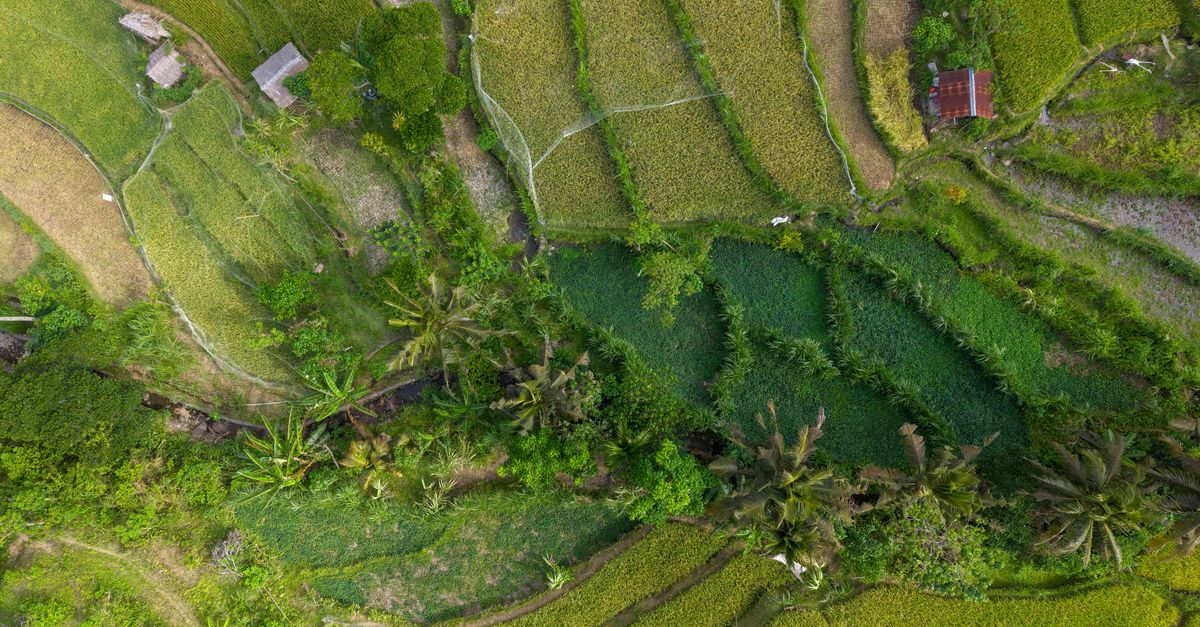 This photo was taken by Tom Fisk on Pexels.
Walking the Talk: How Hong Kong is Pioneering Urban Green Initiatives
 This photo was taken by 晓鸟 蓝 on Pexels.