Street Art and Urban Exploration: Discovering Hong Kong's Creative Side
 This photo was taken by K on Pexels.
Welcome to the vibrant, ever-evolving canvas of Hong Kong! While many visitors flock to the iconic skyline and bustling markets, there is a quieter, more rebellious side waiting to be discovered beneath the concrete jungle. From the gritty charm of Sham Shui Po's hidden alleyways to the industrial grit of Kwun Tong's graffiti revolution, this city is transforming its urban landscape into an open-air gallery. In this post, we'll take you on a journey beyond the tourist trails, exploring abandoned factories that whisper stories of the past and rooftop vantage points that offer breathtaking views of our creative renaissance. Get your cameras ready and let's uncover the artistic soul of Hong Kong together.
Hidden Murals in Sham Shui Po's Alleyways
Venture beyond the bustling markets of Sham Shui Po, and you will discover a vibrant canvas hidden within its narrow alleyways, where local artists have transformed concrete walls into storytelling masterpieces. These hidden murals often depict scenes from the district's rich history, celebrating the daily lives of its residents, traditional hawkers, and the enduring spirit of community that defines this working-class heartland. Unlike the polished galleries in Central, these street art pieces are raw and unfiltered, offering an authentic glimpse into Hong Kong's creative pulse while inviting passersby to pause and appreciate the unique cultural narrative woven into the fabric of the neighborhood.Exploring these artistic nooks requires a keen eye and a willingness to wander off the main thoroughfares, rewarding curious travelers with intimate encounters that feel like discovering secret gardens in a concrete jungle. As you navigate the labyrinthine streets, you might stumble upon a giant panda mural guarding a corner or a colorful tribute to vintage cinema that seems to leap out at you from the shadows. This form of urban exploration not only highlights the dynamic evolution of Hong Kong's public art scene but also encourages visitors to engage with the city on a deeper level, fostering a connection between the tourist experience and the genuine, everyday creativity of the people who call Sham Shui Po home.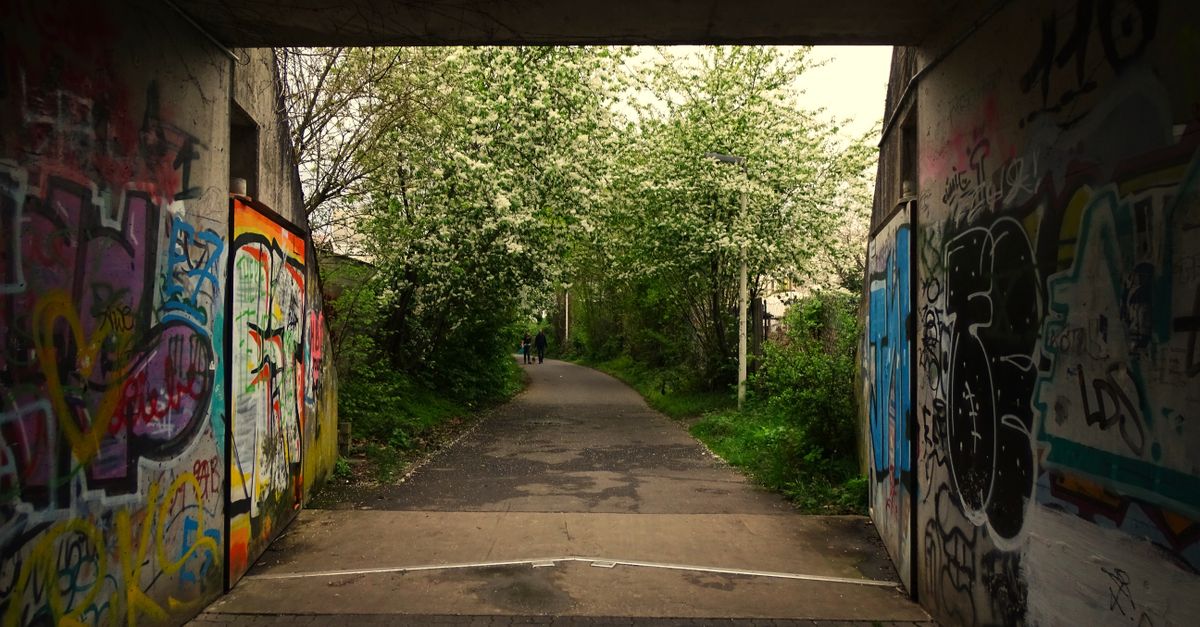 This photo was taken by Ina Keller on Pexels.
The Graffiti Revolution of Kwun Tong
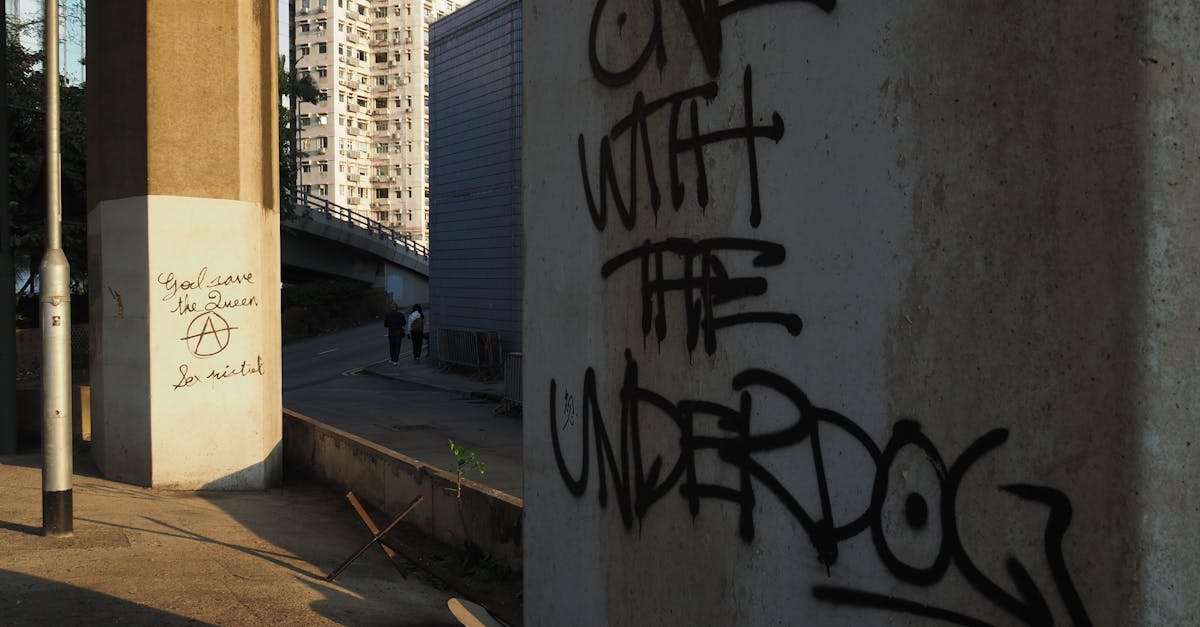
Stepping into Kwun Tong, once the industrial heartbeat of Hong Kong's manufacturing sector, visitors are immediately greeted by a vibrant transformation where concrete walls serve as canvases for local and international artists. This neighborhood has quietly become the epicenter of Hong Kong's graffiti revolution, with narrow alleyways and shuttered factories now adorned with massive, colorful murals that tell stories of social change, community resilience, and urban renewal. Unlike the more polished street art found in tourist-heavy districts, Kwun Tong offers an authentic, gritty atmosphere where the raw energy of the city meets creative expression, inviting explorers to wander off the beaten path and discover hidden gems that celebrate the district's unique identity.
As you navigate through the winding streets near Kwun Tong MTR station or along the reclaimed waterfront, keep your eyes peeled for dynamic pieces that blend traditional Chinese motifs with modern abstract styles, often reflecting the diverse cultural tapestry of this rapidly evolving area. Guided walking tours have emerged to help tourists safely explore these open-air galleries, providing context on the artists' backgrounds and the significance of specific works while supporting the local creative economy. Whether you are capturing Instagram-worthy shots or simply soaking in the artistic ambiance, Kwun Tong represents a thrilling chapter in Hong Kong's urban narrative, proving that even the most industrial corners can blossom into hubs of contemporary culture and innovation.
 This photo was taken by terry narcissan tsui on Pexels.
Urban Exploration: Abandoned Factories and Rooftop Views
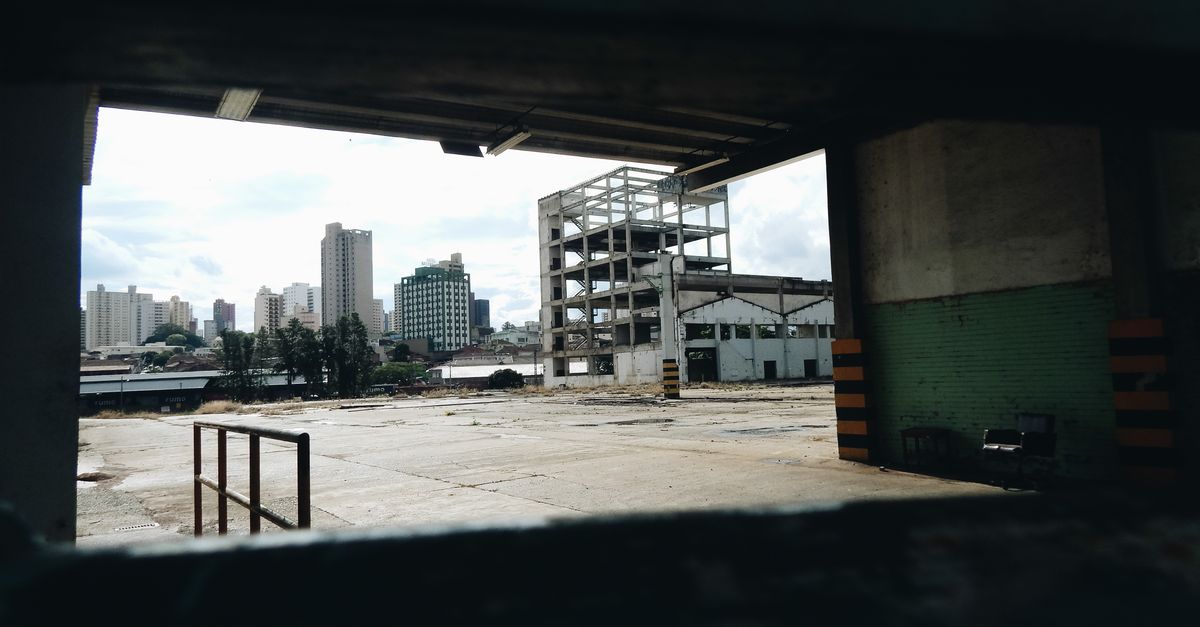
Hong Kong's industrial past is vividly preserved in its hidden corners, offering a gritty yet captivating backdrop for urban explorers. Venture beyond the gleaming skyscrapers to discover the remnants of old factories in Kwun Tong and Tsuen Wan, where peeling paint and rusted machinery tell stories of the city's manufacturing heyday. These abandoned structures have become an unexpected canvas for local street artists, transforming dilapidated walls into vibrant murals that blend with the decay. While exploring these sites requires caution and respect for private property, the contrast between nature reclaiming concrete and bold artistic expression creates a unique atmosphere that captures the raw soul of Hong Kong's creative underbelly.
For those seeking a different perspective, the city's rooftops offer some of the most breathtaking views in Asia, often rivaling the famous skyline shots from tourist traps. Climbing to the top of older residential blocks or accessing safe viewing platforms reveals a patchwork of laundry lines, water tanks, and lush greenery set against a dramatic backdrop of towering glass giants. Many of these elevated spaces are now frequented by photographers and artists who capture the interplay of light and shadow as the sun sets over Victoria Harbour. This bird's-eye view not only highlights the density and verticality of Hong Kong but also provides a serene escape from the bustling streets below, allowing visitors to appreciate the city's architectural grandeur while connecting with its authentic, everyday rhythm.
 This photo was taken by Matheus Rocha on Pexels.