Street Art and Urban Culture: A Walk Through Sham Shui Po
 This photo was taken by Patrick Jaksic on Pexels.
Welcome to the beating heart of Kowloon, where the rhythm of the city is painted in bold colors and told through the stories of its people. Sham Shui Po has long been known as a hub for electronics and bargain hunting, but beneath its bustling streets lies a thriving canvas of creativity and cultural evolution. In this journey, we will explore how vibrant graffiti galleries are transforming forgotten corners into open-air museums, trace the fascinating metamorphosis from traditional flea markets to trendy fashion hubs, and savor the authentic flavors of local legends and street food that define this neighborhood's unique pulse. Get ready to discover a side of Hong Kong that is gritty, colorful, and undeniably alive.
This photo was taken by Patrick Jaksic on Pexels.
Welcome to the beating heart of Kowloon, where the rhythm of the city is painted in bold colors and told through the stories of its people. Sham Shui Po has long been known as a hub for electronics and bargain hunting, but beneath its bustling streets lies a thriving canvas of creativity and cultural evolution. In this journey, we will explore how vibrant graffiti galleries are transforming forgotten corners into open-air museums, trace the fascinating metamorphosis from traditional flea markets to trendy fashion hubs, and savor the authentic flavors of local legends and street food that define this neighborhood's unique pulse. Get ready to discover a side of Hong Kong that is gritty, colorful, and undeniably alive.
Graffiti Galleries: The Vibrant Walls of Kowloon's Hidden Gem
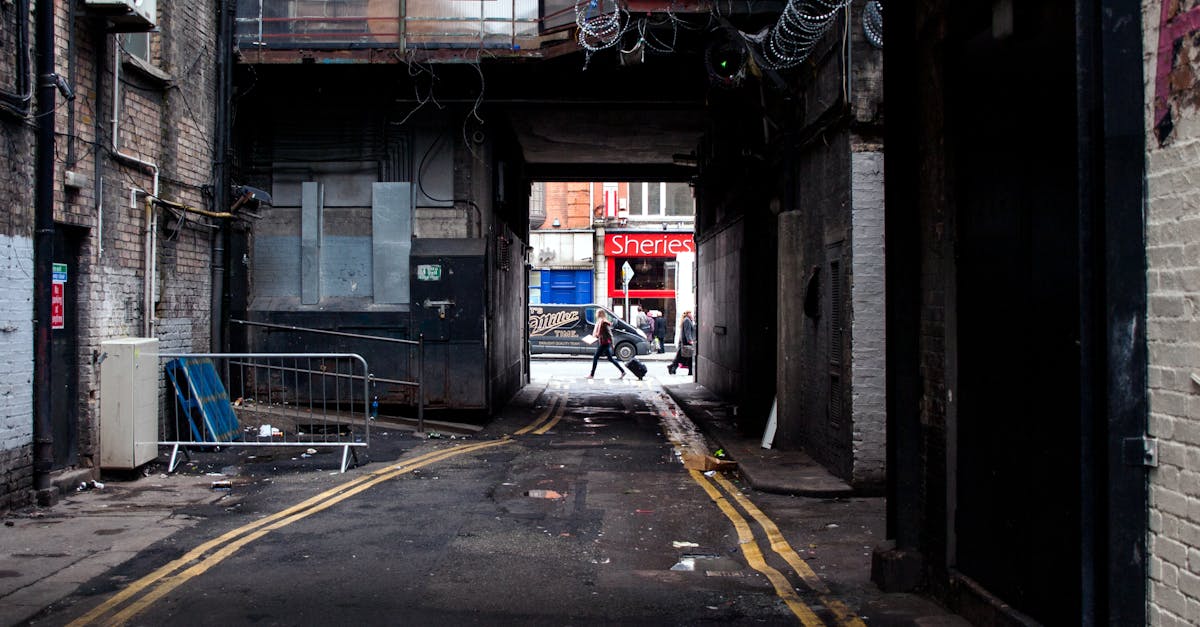
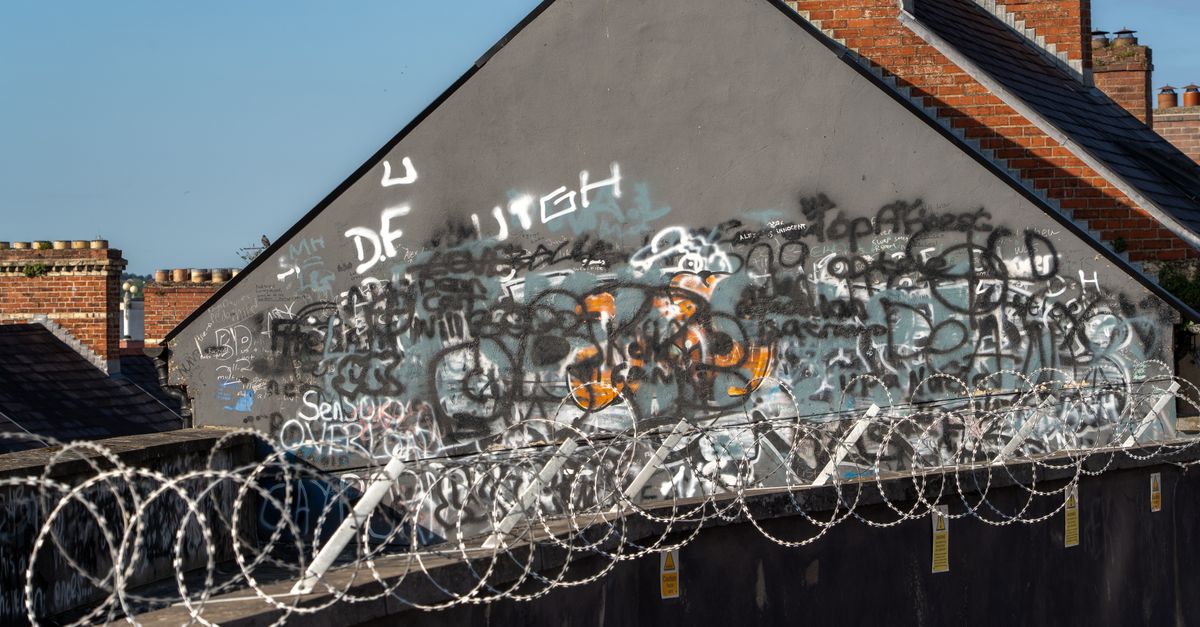
Deep within the bustling heart of Sham Shui Po, a quiet transformation has taken place along narrow alleyways where concrete walls have become canvases for local expression. These graffiti galleries are not merely random tags but curated spaces that reflect the community's resilience and evolving identity, blending traditional Cantonese motifs with modern urban aesthetics. As you wander past the old hardware shops and bustling street markets, you will stumble upon vibrant murals depicting historical figures, futuristic cityscapes, and poignant social commentaries that tell the stories of a neighborhood in flux. This area serves as a living museum of Kowloon's underbelly, offering visitors an authentic glimpse into the creative spirit that thrives amidst the density of Hong Kong's oldest districts.
What makes these hidden gems truly special is their accessibility and the organic way they integrate into daily life, creating a dynamic dialogue between art and the residents who call this area home. Unlike the polished, commercialized street art found in tourist-heavy zones, the pieces here often change with the seasons, responding to current events or celebrating local festivals with a raw, unfiltered energy. Engaging with the artists themselves can turn a simple walk into a cultural exchange, revealing how street art acts as a voice for the voiceless while simultaneously revitalizing neglected corners of the city. For the discerning traveler, exploring these walls offers a profound appreciation of Hong Kong's dual nature: a metropolis that honors its deep roots while fearlessly painting its future in bold strokes of color.
 This photo was taken by Donovan Kelly on Pexels.
From Flea Markets to Fashion Hubs: The Soul of Sham Shui Po
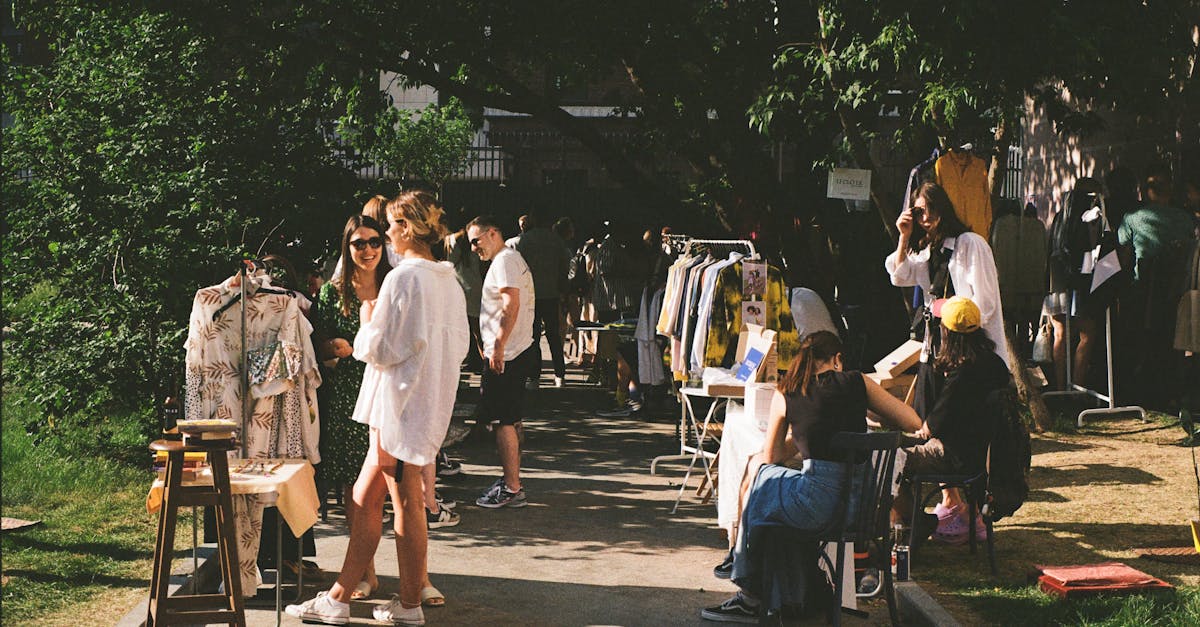
Stepping into Sham Shui Po feels like time traveling through the vibrant, unpolished layers of Hong Kong's history, where the soul of the city beats in its bustling alleyways. Once the heart of the district's electronics industry, this area has transformed into a dynamic tapestry of commerce and creativity, anchored by its legendary flea markets. Here, amidst piles of vintage cameras, retro vinyl records, and second-hand treasures, you can find hidden gems that tell stories of the past while negotiating with friendly vendors who have called these streets home for decades. The air is thick with the scent of street food and the hum of bargain hunters, creating an authentic atmosphere that stands in stark contrast to the polished glass towers of Central.
Beyond the stalls lies a modern renaissance driven by a thriving fashion scene and an explosion of urban art that turns ordinary walls into canvases of expression. Local designers have taken over former industrial warehouses, curating avant-garde boutiques that showcase independent brands and sustainable fashion, proving that this neighborhood is not just about nostalgia but also about innovation. As you wander deeper into the maze of lanes, you will encounter towering murals depicting social commentary and cultural identity, transforming the district into an open-air gallery that celebrates the resilience and artistic spirit of its community. From the chaotic energy of the market to the curated cool of the design studios, Sham Shui Po offers a unique narrative of transformation that defines the true essence of Hong Kong's urban culture.
 This photo was taken by Mykhailo Volkov on Pexels.
Local Legends and Street Food: Tasting the Neighborhood's Pulse
As you wander through the labyrinthine alleys of Sham Shui Po, the neighborhood's pulse is best felt not just in its vibrant murals but in the whispered local legends that cling to its weathered walls. Locals often point to the old markets where ghost stories of a forgotten opera singer echo through the narrow corridors at dusk, blending seamlessly with the modern tales of tech startups rising from humble roots. These narratives add a mystical layer to your urban exploration, transforming simple concrete structures into characters in an ongoing story of resilience and transformation that defines this historic district.
Nothing anchors these stories quite like the aroma of steaming dim sum and sizzling street food drifting from open-front stalls tucked between graffiti-covered buildings. Here, you can taste history in every bite, from the crispy egg waffles sold by elderly vendors who have watched the area evolve for decades to the spicy wonton noodles that fuel the late-night hustle of the city's youth. Sampling these culinary treasures offers more than just sustenance; it is a direct connection to the community's soul, allowing visitors to experience the genuine warmth and chaotic energy that makes Sham Shui Po a true cultural heartbeat of Hong Kong.
 This photo was taken by Erik Mclean on Pexels.