Practical Tips: Visas, Currency, and Connectivity for First-Time Visitors
 This photo was taken by Caique Araujo on Pexels.
Navigating Entry Requirements: Visas and Immigration
Before you pack your bags for the Pearl of the Orient, it is essential to verify your visa eligibility, as Hong Kong SAR maintains a distinct immigration policy separate from mainland China. Travelers from many countries, including the United States, Canada, the UK, and most EU nations, enjoy visa-free entry for stays ranging from 30 to 90 days, but this privilege varies significantly by nationality. Even if you are exempt from obtaining a visa beforehand, ensure your passport remains valid for at least six months beyond your intended departure date, as border officers strictly enforce this rule and may deny entry to those with insufficient validity.
Upon arrival, all visitors must complete an Arrival Card, which is often distributed on flights or available at kiosks in the airport and land ports; while the process is streamlined, honesty regarding your purpose of visit is paramount. Immigration officers may ask about your accommodation details and return flight tickets, so having digital or printed copies of your hotel bookings ready can expedite your clearance. Remember that overstaying your permitted duration carries severe penalties, including fines and potential deportation, so always double-check the stamp in your passport indicating your exact departure deadline before exploring the city's vibrant streets.
 This photo was taken by Harm Jakob Tolsma on Pexels.
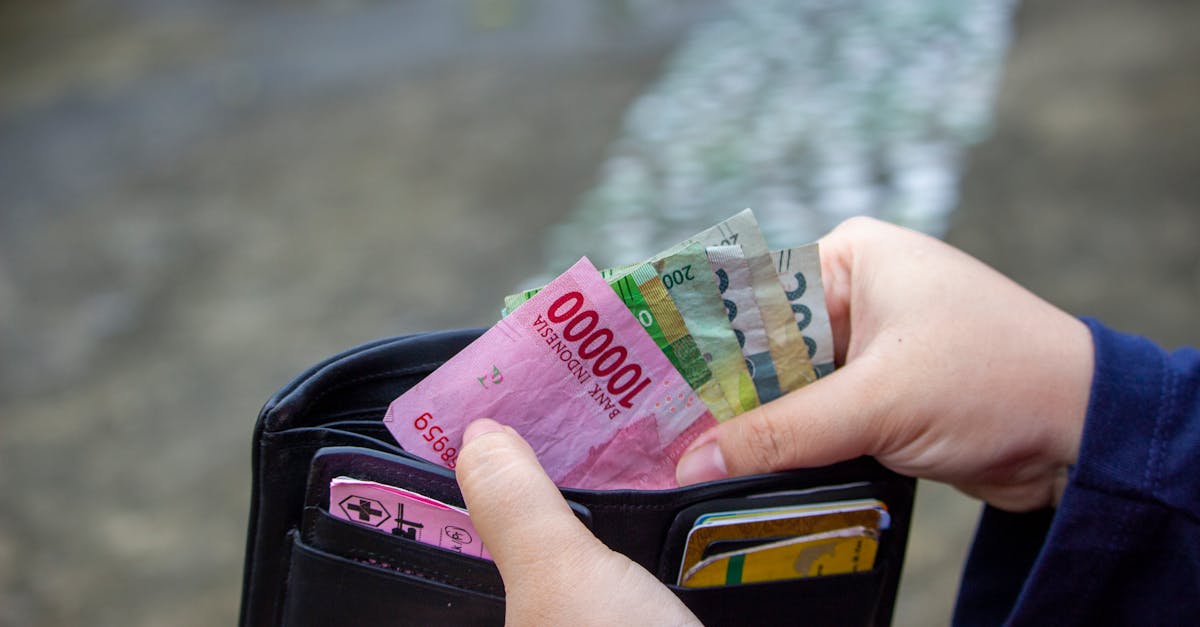
Getting Started with Money: Currency Exchange and Payment Methods
 This photo was taken by Ahsanjaya on Pexels.
Staying Connected: SIM Cards, Wi-Fi, and Essential Apps
Staying connected in Hong Kong is effortless, thanks to its robust infrastructure and the abundance of affordable options for visitors. Upon arrival at Hong Kong International Airport or major railway stations, you can easily purchase a prepaid SIM card from kiosks operated by local carriers like CSL, 3HK, or SmarTone; these plans often include generous data allowances and are valid for 7 to 14 days, providing instant access to high-speed 5G networks. For those who prefer not to switch their physical number, many hotels and cafes offer complimentary Wi-Fi, though it is advisable to download offline maps and translation tools beforehand as public Wi-Fi can sometimes be slow or require registration with a local phone number.
To navigate the city seamlessly, installing essential apps before your trip is highly recommended. The MTR Mobile app is indispensable for checking real-time train schedules and fares across the subway system, while AlipayHK and WeChat Pay HK are widely accepted for cashless payments in everything from street markets to high-end malls, reducing the need to carry large amounts of cash. Additionally, downloading the Citymapper or Google Maps app will help you optimize your route through the bustling streets and public transport network, ensuring that you stay on top of traffic updates and bus arrivals without getting lost in the vibrant urban landscape.
 This photo was taken by ready made on Pexels.