Practical Tips: SIM Cards, Cash vs. Octopus Card, and Safety
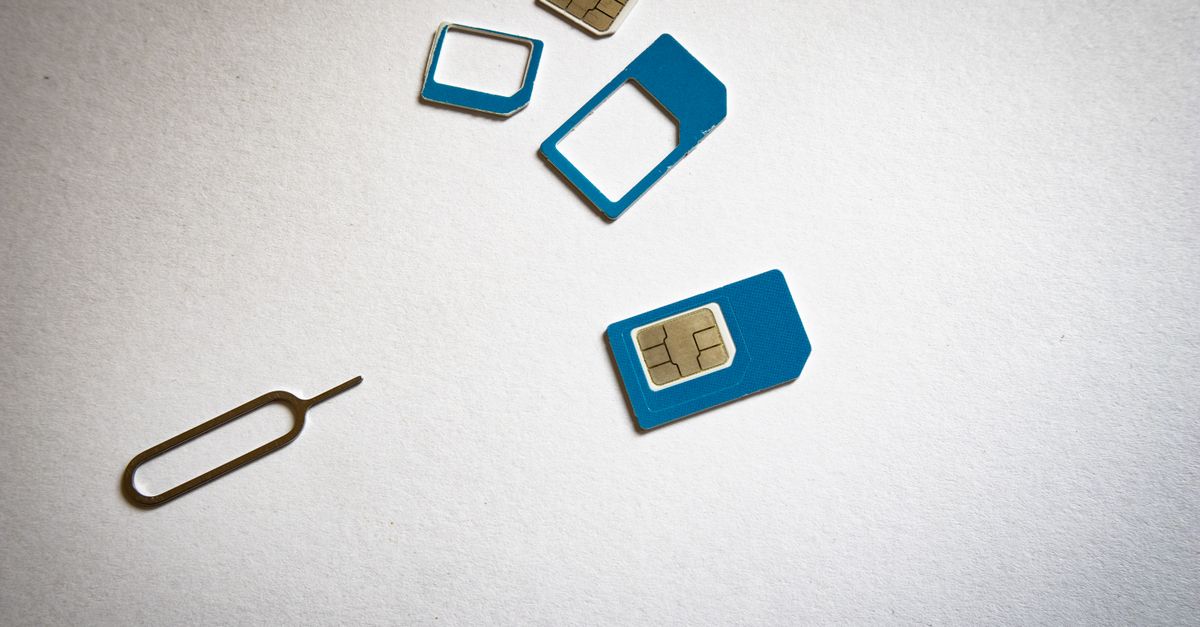 This photo was taken by Pascal 📷 on Pexels.
Welcome to the vibrant heart of Asia! Whether you are here for the dazzling skyline, the world-class dining, or the bustling street markets, Hong Kong offers an unforgettable experience that blends modernity with rich tradition. To help you make the most of your trip, we've compiled essential practical advice on navigating the city's logistics seamlessly. In this guide, we'll walk you through choosing the perfect SIM card to stay connected, demystifying the best payment methods from cash and Octopus cards to digital wallets, and sharing crucial safety tips to ensure your visit is both secure and worry-free. Get ready to explore Hong Kong with confidence and ease!
This photo was taken by Pascal 📷 on Pexels.
Welcome to the vibrant heart of Asia! Whether you are here for the dazzling skyline, the world-class dining, or the bustling street markets, Hong Kong offers an unforgettable experience that blends modernity with rich tradition. To help you make the most of your trip, we've compiled essential practical advice on navigating the city's logistics seamlessly. In this guide, we'll walk you through choosing the perfect SIM card to stay connected, demystifying the best payment methods from cash and Octopus cards to digital wallets, and sharing crucial safety tips to ensure your visit is both secure and worry-free. Get ready to explore Hong Kong with confidence and ease!
Staying Connected: Choosing the Right SIM Card for Your Hong Kong Adventure
Navigating Hong Kong's vibrant streets and hidden gems is infinitely easier when you stay connected, making the choice of a local SIM card your first essential step upon arrival. You can pick up affordable data-only or voice-and-data prepaid SIMs at HKG Airport terminals, major convenience stores like 7-Eleven, or authorized mobile shops throughout the city; these plans often offer generous data allowances perfect for streaming maps, booking rides, and sharing your culinary adventures on social media instantly. While international roaming from your home carrier provides convenience, it usually comes with exorbitant daily fees that quickly add up, whereas a local SIM ensures high-speed 4G/5G connectivity at a fraction of the cost, allowing you to rely on Google Maps or local apps without worrying about hitting a data cap while exploring the Peak or wandering through Sham Shui Po.Beyond internet access, mastering the local payment ecosystem is crucial for a seamless experience, as cash is rarely needed for everyday transactions once you have an Octopus Card. This versatile rechargeable smart card serves as your all-in-one solution for public transportation, including the MTR, buses, trams, and even ferries, while also functioning as a digital wallet for convenience stores, vending machines, and many restaurants across the territory. Although credit cards are widely accepted in hotels and upscale shopping districts, having physical cash is still advisable for smaller street food stalls or markets, yet the Octopus Card remains the gold standard for efficiency; simply top it up at any MTR station or convenience store, and you will find yourself moving through the city with the same fluidity as the locals, avoiding the hassle of carrying loose change or fumbling for exact fares. This photo was taken by ready made on Pexels.
Navigating Payments: When to Use Cash, Octopus Cards, or Digital Wallets
Practical Tips: SIM Cards, Cash vs. Octopus Card, and Safety
While Hong Kong is a global financial hub where credit cards are widely accepted in hotels and upscale dining establishments, the city's daily rhythm runs on the ubiquitous Octopus card. This versatile contactless smart card is indispensable for navigating the MTR, buses, trams, and even ferries across Victoria Harbour, often offering faster boarding times than cash or phone tap-ins. For smaller transactions at local wet markets, street food stalls like those in Temple Street Night Market, or independent bakeries, having some HKD cash remains essential as many vendors do not accept digital payments. However, carrying large amounts of physical currency is unnecessary; instead, top up your Octopus card at convenience stores, MTR stations, or via mobile apps to cover most transit and minor shopping needs efficiently.
Digital wallets like Apple Pay, Google Pay, and Alipay+ have gained immense traction in recent years, seamlessly integrating with the Octopus system to allow you to tap your smartphone or watch just as you would a physical card. This fusion of technology makes it incredibly convenient for tourists who prefer not to carry multiple cards, especially when paying at major retail chains, fast-food outlets, and increasingly, at traditional restaurants. Nevertheless, it is wise to keep a small reserve of cash and a physical backup Octopus card handy, as occasional network glitches or terminal maintenance issues can occur. By combining the reliability of the Octopus ecosystem with the flexibility of digital wallets and a touch of cash, you ensure a smooth and hassle-free experience while exploring everything from the bustling streets of Causeway Bay to the serene trails of Lantau Island.
 This photo was taken by Caique Araujo on Pexels.
Traveler's Safety: Essential Tips for a Secure and Worry-Free Visit
Navigating Hong Kong as a visitor is generally a seamless and secure experience, but staying aware of your surroundings remains key to a worry-free trip. While the city boasts one of the lowest crime rates globally, it is always wise to keep your valuables concealed in crowded areas like MTR stations or busy tourist spots such as Temple Street Night Market. For digital safety, ensure your devices are password-protected and avoid leaving bags unattended on café tables or beach chairs; pickpocketing is rare but can happen in dense crowds. Additionally, familiarize yourself with emergency numbers—dial 999 for police, fire, or ambulance services immediately if you require urgent assistance, and consider downloading the "Hong Kong Police Force" app for quick access to non-emergency reporting tools.
To further enhance your security and convenience, we highly recommend purchasing a local prepaid SIM card upon arrival at the airport or any major convenience store, ensuring you always have reliable data for navigation apps and translation tools without roaming charges. Regarding payments, while credit cards are widely accepted in hotels and upscale restaurants, cash is still king in older markets and small eateries, so carrying some HKD notes is essential. However, the most efficient payment method for daily transit and snacks is undoubtedly the Octopus Card; beyond its use on the MTR, buses, and ferries, it functions as a universal wallet for convenience stores, vending machines, and even parking meters, significantly reducing the need to carry loose change and minimizing the risk of losing cash while exploring the city's vibrant streets.
 This photo was taken by Ketut Subiyanto on Pexels.