Practical Essentials: Visa Requirements, SIM Cards, and Local Etiquette
 This photo was taken by Caique Araujo on Pexels.
Welcome to the Pearl of the Orient! Whether you are planning a whirlwind shopping spree in Causeway Bay, a serene hike up Victoria Peak, or simply savoring dim sum in a bustling tea house, Hong Kong is a destination where East meets West in perfect harmony. However, before you pack your bags, understanding the local logistics is key to ensuring a seamless and enjoyable journey. In this guide, we will walk you through the essential preparations for your trip, starting with navigating the specific visa entry rules tailored to your nationality. We'll also help you stay connected by choosing the right SIM card to keep you updated on the go, and finally, we'll share vital cultural do's and don'ts so you can master local etiquette and blend in like a true local from day one. Let's get started on making your Hong Kong adventure unforgettable!
This photo was taken by Caique Araujo on Pexels.
Welcome to the Pearl of the Orient! Whether you are planning a whirlwind shopping spree in Causeway Bay, a serene hike up Victoria Peak, or simply savoring dim sum in a bustling tea house, Hong Kong is a destination where East meets West in perfect harmony. However, before you pack your bags, understanding the local logistics is key to ensuring a seamless and enjoyable journey. In this guide, we will walk you through the essential preparations for your trip, starting with navigating the specific visa entry rules tailored to your nationality. We'll also help you stay connected by choosing the right SIM card to keep you updated on the go, and finally, we'll share vital cultural do's and don'ts so you can master local etiquette and blend in like a true local from day one. Let's get started on making your Hong Kong adventure unforgettable!
Navigating Visa Entry Rules for Hong Kong
Before embarking on your journey to the Hong Kong Special Administrative Region, it is crucial to understand that while Hong Kong maintains its own immigration policies separate from mainland China, visa requirements vary significantly depending on your passport nationality. Many travelers from Europe, North America, and several other regions enjoy visa-free entry for stays ranging from 7 to 90 days, allowing for seamless tourism without prior application. However, visitors from countries not on this exemption list must secure a visitor visa or an Electronic Travel Authorization (ETA) through the official Immigration Department website well in advance of their flight. Always ensure your passport remains valid for at least six months beyond your intended departure date, as border officers are strict about documentation and may deny entry if these criteria are not met.
Navigating the entry process also involves being prepared for potential delays during peak travel seasons, so arriving with all necessary documents organized is highly recommended. Once you clear immigration, remember that overstaying your permitted duration can lead to fines, deportation, or future entry bans, making it vital to note the specific number of days granted on your arrival card or digital record. For those planning multi-destination trips involving mainland China, keep in mind that entering Hong Kong does not automatically grant you access to the rest of China; you will need to apply for a separate Mainland Travel Permit or appropriate visa depending on your itinerary. Staying informed about current regulations ensures a stress-free start to your adventure in this vibrant global city.
 This photo was taken by Quang Nguyen Vinh on Pexels.
Staying Connected: Choosing the Right SIM Card
Navigating the vibrant streets of Hong Kong is infinitely smoother when you have reliable internet access, making the choice of a local SIM card your first practical priority upon arrival. For short-term visitors, pre-paid data plans from major carriers like CSL, 3HK, or SmarTone offer excellent value, often providing unlimited high-speed data for just a few days to a week without requiring a long-term contract. You can easily purchase these at the airport's arrival hall, convenience stores like 7-Eleven, or authorized retail shops throughout the city, where staff will help you activate the line instantly so you can start using navigation apps and translation tools immediately.Beyond connectivity, selecting the right plan ensures you stay updated with real-time traffic alerts, restaurant reservations, and emergency services, which are crucial in a bustling metropolis. While many hotels offer free Wi-Fi, relying solely on it can be frustrating when moving between districts or exploring remote areas like Lantau Island; therefore, investing in a robust mobile data package is essential for a seamless experience. Remember to keep your phone unlocked before traveling to ensure compatibility with local networks, and don't hesitate to ask locals for recommendations on the most cost-effective options tailored to your specific itinerary duration. This photo was taken by Polina Zimmerman on Pexels.
Cultural Do's and Don'ts: Mastering Local Etiquette
When navigating Hong Kong's vibrant streets, respecting local customs is key to a seamless experience. Always remove your shoes before entering someone's home or certain traditional temples, as this shows deep respect for the space and its inhabitants. Additionally, when receiving items like business cards or gifts with both hands, it signifies courtesy and sincerity, whereas handing them over with one hand can be perceived as casual or dismissive. While Hong Kong is a modern metropolis, maintaining a polite and quiet demeanor in public transport, especially on the MTR, is highly valued; loud conversations or phone calls are generally frowned upon by locals who appreciate order and tranquility.
On the other hand, there are specific behaviors to avoid to prevent unintentional offense. Tipping is not customary in Hong Kong and can sometimes cause confusion, so simply enjoy your meals and services without feeling pressured to add extra money. Furthermore, never point with your index finger, as this is considered rude; instead, use an open palm to gesture towards directions or objects. During festive seasons like Chinese New Year, refrain from giving clocks, sharp objects, or white flowers, as these items symbolize death, separation, or bad luck in traditional Cantonese culture. By observing these nuances, you demonstrate cultural sensitivity and enhance your connection with the local community.
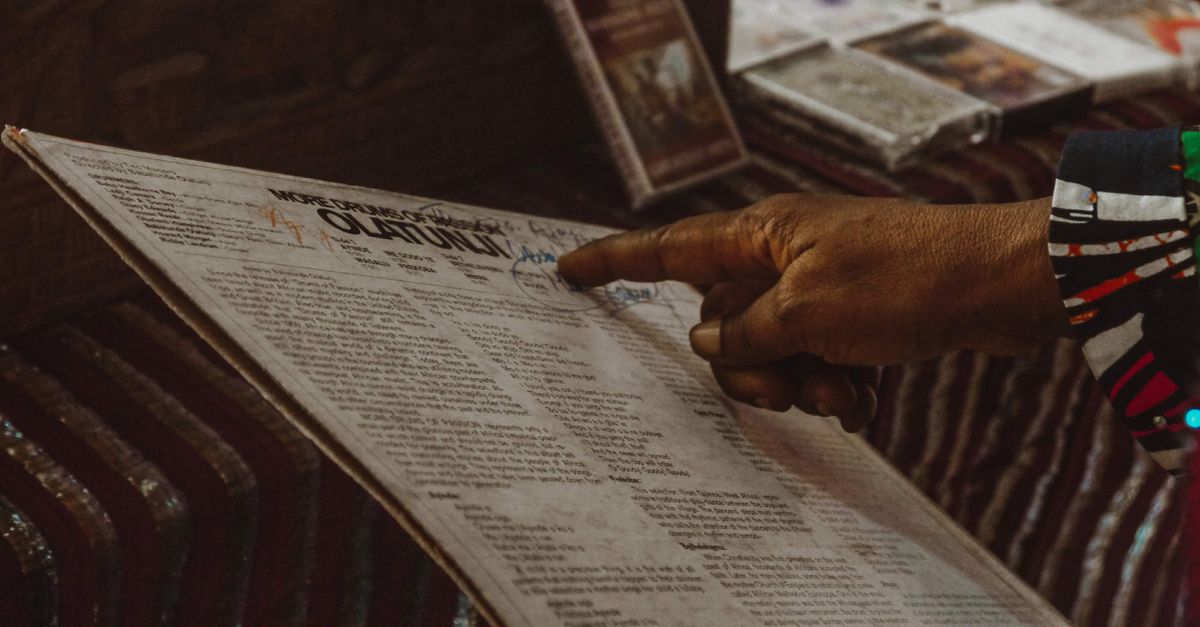 This photo was taken by Emmanuella Omonigho on Pexels.