Practical Essentials: Visa Requirements, SIM Cards, and Currency Exchange
 This photo was taken by Caique Araujo on Pexels.
Navigating Hong Kong's Visa Requirements for International Travelers
Before embarking on your journey to the Pearl of the Orient, it is crucial to understand that Hong Kong operates under a distinct immigration system separate from mainland China. While many nationalities, including those from the United States, the United Kingdom, and most EU countries, are granted visa-free entry for stays ranging from 14 to 90 days, travelers from specific regions must apply for an Entry Permit in advance through the nearest Chinese diplomatic mission or via authorized travel agents. Always verify your specific eligibility on the official Immigration Department website before departure, as regulations can change, and ensure your passport remains valid for at least six months beyond your intended date of departure to avoid any unexpected hurdles at the airport.
Upon arrival, you will be processed through efficient immigration counters where officers may ask about the purpose of your visit and your accommodation details; having a printed copy of your hotel reservation or host's contact information is highly recommended to expedite this process. Once you clear customs, remember that while you cannot work on a standard tourist permit, you are free to explore the city's vibrant streets, dine at its renowned Michelin-starred restaurants, and hike the scenic trails of the New Territories. For those planning extended stays or business meetings, consider applying for the appropriate visa categories early, as processing times vary and failing to comply with stay conditions can result in fines or future entry bans.
 This photo was taken by Furkan Ceylan on Pexels.
Staying Connected: Choosing the Best SIM Card in Hong Kong
Upon landing at Hong Kong International Airport, securing a reliable data connection is your top priority for navigating the city's vibrant streets and accessing real-time transit updates. For most travelers, purchasing a prepaid SIM card upon arrival at the dedicated kiosks in Terminal 1 or Terminal 2 offers the best balance of convenience and cost-effectiveness. Major local providers like CSL, SmarTone, and 3 offer a variety of short-term tourist packages that include unlimited high-speed data, making it easy to use map apps, translation tools, and social media without worrying about roaming charges. These SIMs can be activated immediately with just your passport, ensuring you stay connected from the moment you step off the plane.
When selecting a plan, consider your specific needs; if you require extensive data for streaming or heavy navigation, opt for a package with at least 5GB to 10GB of data valid for seven days, while light users might find a smaller, more economical option sufficient. It is worth noting that many shops accept major credit cards and cash, but having some local currency (HKD) on hand can sometimes speed up the transaction process. Additionally, ensure that your phone is unlocked before traveling, as this will allow you to seamlessly switch between carriers and enjoy the robust 4G and 5G networks that cover every corner of Hong Kong, from the bustling markets of Mong Kok to the serene trails of Lantau Island.
 This photo was taken by Gibson Chan on Pexels.
Mastering Currency Exchange: HKD Tips and Local Payment Hacks
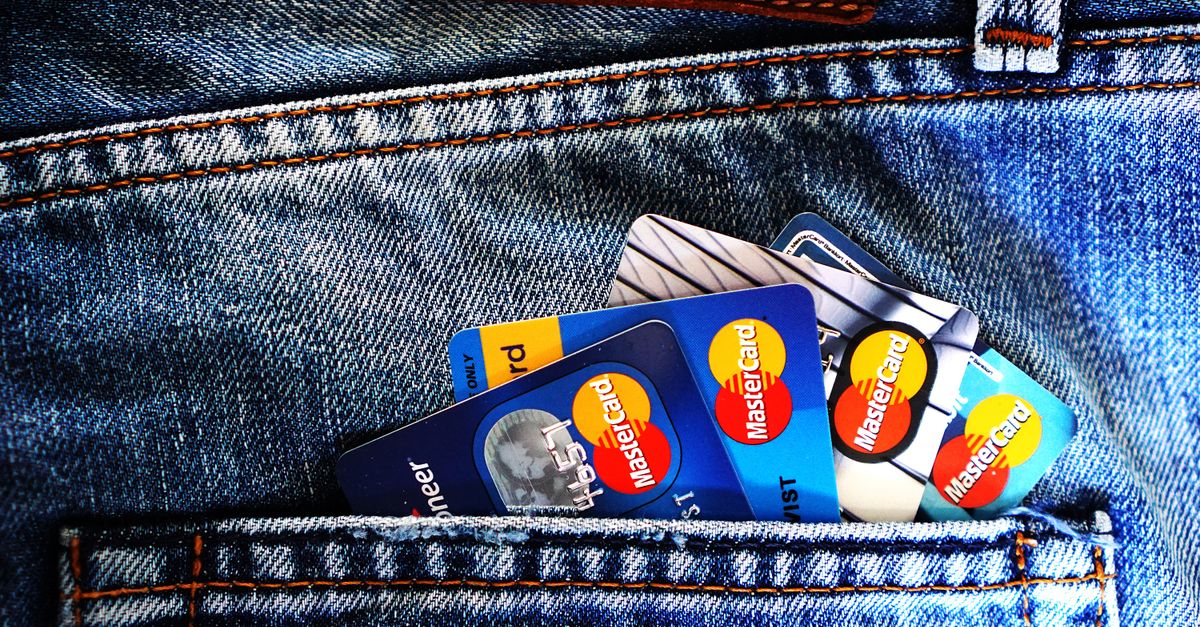
While the Hong Kong Dollar (HKD) is your primary currency, navigating the financial landscape here is surprisingly seamless thanks to a mix of cash and digital dominance. Although credit cards are widely accepted in hotels, malls, and most restaurants, small alleyway eateries, street markets like Temple Street, and public buses often prefer cash or require exact change. For the best rates, avoid exchanging money at airport kiosks or hotel front desks; instead, head to licensed money changers in Central or Tsim Sha Tsui where you can find competitive spreads, or simply withdraw HKD directly from ATMs using your international debit card, which typically offers the most favorable exchange rates.
Beyond physical cash, mastering local payment hacks will save you time and hassle throughout your trip. The ubiquitous Octopus Card is an absolute essential for any visitor, functioning not just as a transit pass for the MTR and buses but also as a versatile e-wallet for convenience stores, vending machines, and even some parking meters. Furthermore, while Alipay and WeChat Pay have surged in popularity among locals, they are increasingly accepted in tourist-heavy zones, allowing you to link your foreign bank accounts for instant payments without needing to carry large amounts of cash. Combining an Octopus Card for daily transit with mobile payment apps for shopping creates a frictionless experience that lets you focus on exploring the city's vibrant energy.
 This photo was taken by Pixabay on Pexels.