Navigating the MTR: A Tourist's Complete Transport Guide
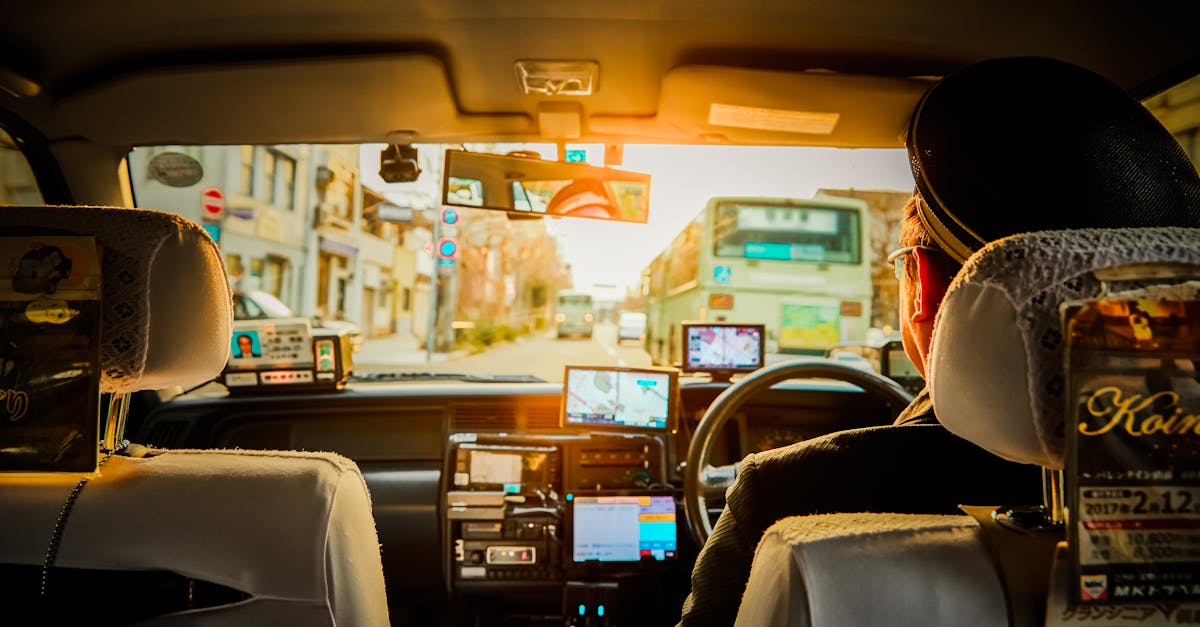 This photo was taken by Chucky Chiang on Pexels.
Getting Started: Buying Tickets and Using Octopus Cards
To begin your journey across Hong Kong, securing the right tickets is straightforward whether you prefer convenience or flexibility. Tourists can purchase single-journey tickets from self-service machines at any MTR station using cash or credit cards, though these are generally cost-effective only for very short trips. For a more seamless experience, consider buying an Airport Express Ticket with Octopus features upon arrival at the airport, which includes unlimited travel within specific zones and a return fare to Central Station. Alternatively, many visitors opt for the "Tourist Pass" available at ticket offices, offering unlimited rides on the MTR, light rail, and bus network for three consecutive days, providing excellent value for those planning an intensive sightseeing itinerary.
While paper tickets work, the true key to navigating Hong Kong efficiently is obtaining an Octopus Card, a rechargeable smart card accepted not just on trains but also on buses, trams, ferries, and even in countless convenience stores and vending machines. You can easily acquire one at any MTR station's ticket office or automated machine for a refundable deposit of HK$50 plus an initial loading value, making it an essential tool for every traveler. Simply tap the card on the yellow reader at the gate to enter and exit, and remember that transfers between different modes of transport often incur discounted fares, ensuring your commute remains both economical and hassle-free throughout your stay.
 This photo was taken by RDNE Stock project on Pexels.
Mastering the Map: Key Routes for Top Attractions
To truly master the map of Hong Kong, start by visualizing the MTR network as three distinct yet interconnected arteries: the Island Line, the Tsuen Wan Line, and the Tung Chung Line. For a seamless cultural immersion, board the Island Line at Central Station to glide eastward through the bustling financial district before diving into the vibrant shopping mecca of Causeway Bay, or head west towards Happy Valley and North Point for a taste of local life. Simultaneously, utilize the Tsuen Wan Line to effortlessly bridge the gap between the iconic skyline of Tsim Sha Tsui in Kowloon and the historic charm of Mong Kok, ensuring you can hop from the Peak Tram base to the Avenue of Stars without ever stepping outside the climate-controlled stations.
For those venturing beyond the urban core, strategic route planning is essential to unlock Hong Kong's hidden gems. The Tung Chung Line serves as your gateway to the Lantau Island experience, where a single stop takes you to the majestic Tian Tan Buddha and the serene Po Lin Monastery, while extending further to Ngong Ping 360 for breathtaking cable car views. Meanwhile, the East Rail Line offers a scenic journey north to the New Territories, connecting travelers directly to the ancient walled town of Tai O and the pristine beaches of Sai Kung. By aligning your daily itinerary with these specific lines, you transform complex transit maps into simple, linear paths that maximize sightseeing time and minimize travel stress.
 This photo was taken by Loic Van Montagu on Pexels.
Pro Tips: Etiquette, Peak Hours, and Station Facilities
When navigating the MTR, respecting local etiquette is paramount to a smooth journey; always stand on the right side of escalators and give way to those wishing to pass on the left. During peak hours, typically 7:30–9:30 AM and 6:00–8:00 PM, trains become incredibly crowded, so it is advisable to keep your belongings close and avoid blocking doorways while waiting for passengers to alight before boarding. Furthermore, consuming food or drinks inside the stations and on trains is strictly prohibited by law, and you will be fined if caught doing so, so please enjoy your dim sum or bubble tea after exiting the station.
For added convenience, most major MTR stations are equipped with modern facilities including free Wi-Fi, accessible toilets, and dedicated family rooms for parents with young children. You can easily purchase an Octopus card at any station ticket machine or visitor center, which not only works seamlessly across the entire rail network but also serves as a payment method in many shops, restaurants, and convenience stores throughout Hong Kong. If you need assistance, look for the friendly staff members wearing high-visibility vests near the gates or check the clear digital signage that provides real-time train arrival information in both Cantonese and English, ensuring you never feel lost even during your busiest travel days.
 This photo was taken by Marian Villa on Pexels.