Navigating the City: A Beginner's Transport Guide
 This photo was taken by Skylar Kang on Pexels.
Mastering the MTR: Hong Kong's Lifeline
The MTR (Mass Transit Railway) is the beating heart of Hong Kong, offering a seamless, efficient, and air-conditioned way to traverse this bustling metropolis. For first-time visitors, navigating the system is surprisingly intuitive thanks to its extensive network that connects Kowloon, Hong Kong Island, and the New Territories, reaching even popular tourist spots like Disneyland and the Peak via convenient transfers. To get started, simply purchase an Octopus card at any station machine or convenience store; this versatile smart card serves not only as your train ticket but also as payment for buses, trams, and even many shops, making it an essential tool for any traveler looking to move around with ease.
While the trains are punctual and clean, mastering the MTR involves a few local nuances that will save you time and confusion. Pay close attention to the color-coded lines on the map and station signs, which are bilingual in both English and Chinese, ensuring you never miss your stop. Remember to stand on the correct side of the platform escalators—keeping left while walking and standing right—and always tap out when exiting the gates to avoid fines. With over 200 stations and frequent service intervals, the MTR remains the most reliable lifeline for exploring everything from the neon-lit streets of Mong Kok to the serene gardens of Wong Tai Sin.
 This photo was taken by Vyvan BÙI VY VÂN on Pexels.
Navigating the Streets: Buses, Trams, and Ferries
Hong Kong's iconic double-decker trams, affectionately known as "Ding Dings," offer a charmingly slow-paced way to traverse the bustling streets of Causeway Bay and North Point, providing an open-air perspective that buses simply cannot match. For those venturing further into the city's dense urban fabric or out to the New Territories, the extensive bus network is your most versatile ally; with its color-coded routes and real-time tracking apps, you can easily hop from the neon-lit avenues of Tsim Sha Tsui to the serene peaks of Victoria Peak. Don't forget to tap your Octopus card for seamless transfers across different modes of transport, ensuring your journey through this vertical metropolis is as smooth as it is scenic.
When the road ends at the harbor's edge, the Star Ferry becomes your gateway to one of the world's most spectacular views, gliding effortlessly between Tsim Sha Tsui and Central in just ten minutes while framing the glittering skyline of both sides of Victoria Harbour. Beyond these local staples, the public ferry network extends your reach to Hong Kong's hidden gems, whisking you away to the tranquil islands of Lamma and Cheung Chau for a taste of island life, or connecting you to the historic fishing villages of Tai O. Whether you are catching a quick cross-harbor ride to beat the traffic or embarking on a leisurely voyage to escape the city's hustle, these waterways provide not just efficient transport, but an essential part of the authentic Hong Kong experience.
 This photo was taken by Erik Mclean on Pexels.
The Ultimate Guide to Taxis and Ridesharing
The Ultimate Guide to Taxis and Ridesharing
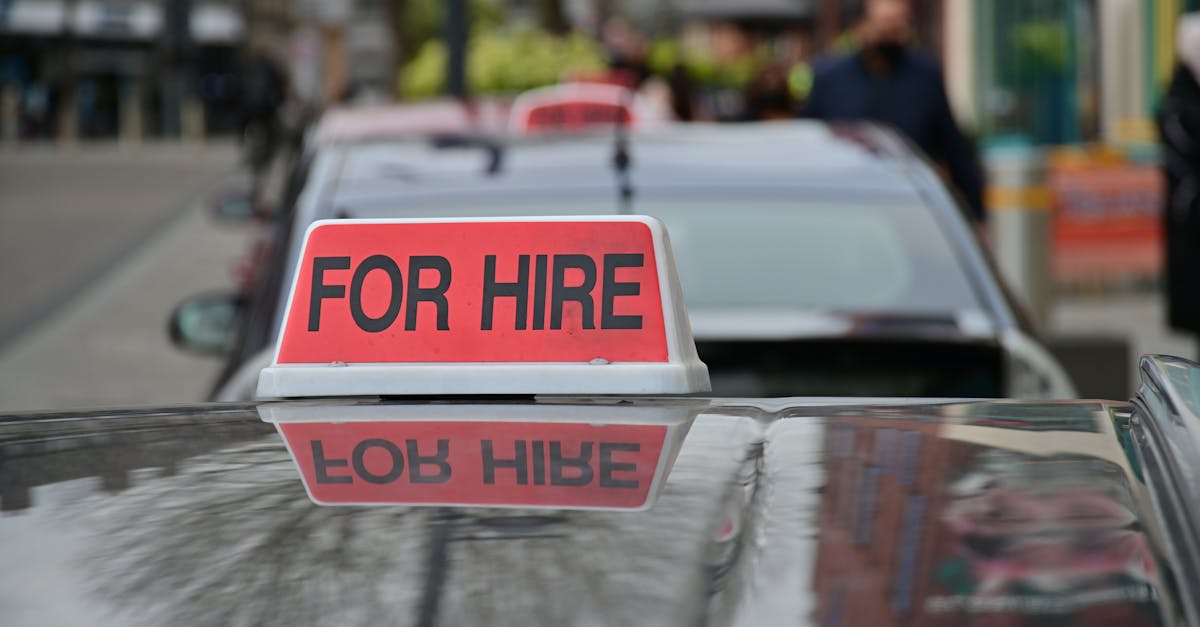
Taxis in Hong Kong are a vibrant, efficient, and affordable way to navigate the city's bustling streets, distinguished by their iconic color-coded fleets: red taxis cover the urban areas of Kowloon and Hong Kong Island, green taxis serve the New Territories, and blue taxis operate exclusively on Lantau Island. While most drivers speak Cantonese or basic English, having your destination written in Chinese characters is highly recommended for smoother communication, and remember that luggage fees apply if you have large bags. For those who prefer digital convenience, ridesharing apps like Uber and DiDi are fully operational here; they offer a seamless booking experience with transparent pricing and the option to choose from various vehicle classes, making them an excellent alternative during peak hours or late nights when traditional taxis might be scarce.
When hailing a cab, simply raise your hand on the street or visit designated taxi stands found at major transport hubs, shopping centers, and hotels. It is important to note that while credit cards are widely accepted on many modern taxis, it is always wise to carry some small change for cash payments, especially for older cabs or shorter trips. Additionally, be aware that all taxis charge a flag-down fare plus distance and waiting time fees, with a standard surcharge added for travel on the Hong Kong-Zhuhai-Macau Bridge or through the Cross-Harbour Tunnel. Whether you are rushing to catch a flight at HKIA or exploring the hidden alleyways of Sheung Wan, mastering these transport options ensures your journey through this dynamic metropolis remains hassle-free and enjoyable.
 This photo was taken by Watford London Media on Pexels.