Navigating Public Transport: A Tourist's Guide to MTR, Trams, and Ferries
 This photo was taken by Mike Bird on Pexels.
Welcome to the vibrant heartbeat of Hong Kong, where the city's pulse beats in perfect rhythm with its world-class public transport network. Whether you are a first-time visitor eager to explore hidden gems or a seasoned traveler looking for efficient ways to get around, mastering our transit system is the key to unlocking the true spirit of this dynamic metropolis. In this guide, we will walk you through every step of your journey, from navigating the sleek and extensive MTR subway system with confidence, to savoring the nostalgic charm of the iconic double-decker trams winding through Causeway Bay. We'll even set sail across the shimmering waters of Victoria Harbour on the historic Star Ferry, offering you breathtaking views that define our skyline. Get ready to dive into a seamless travel experience as we help you navigate the streets, skies, and seas of Hong Kong with ease.
This photo was taken by Mike Bird on Pexels.
Welcome to the vibrant heartbeat of Hong Kong, where the city's pulse beats in perfect rhythm with its world-class public transport network. Whether you are a first-time visitor eager to explore hidden gems or a seasoned traveler looking for efficient ways to get around, mastering our transit system is the key to unlocking the true spirit of this dynamic metropolis. In this guide, we will walk you through every step of your journey, from navigating the sleek and extensive MTR subway system with confidence, to savoring the nostalgic charm of the iconic double-decker trams winding through Causeway Bay. We'll even set sail across the shimmering waters of Victoria Harbour on the historic Star Ferry, offering you breathtaking views that define our skyline. Get ready to dive into a seamless travel experience as we help you navigate the streets, skies, and seas of Hong Kong with ease.
Mastering the MTR: Your Essential Metro Map & Tips
Mastering the MTR: Your Essential Metro Map & Tips
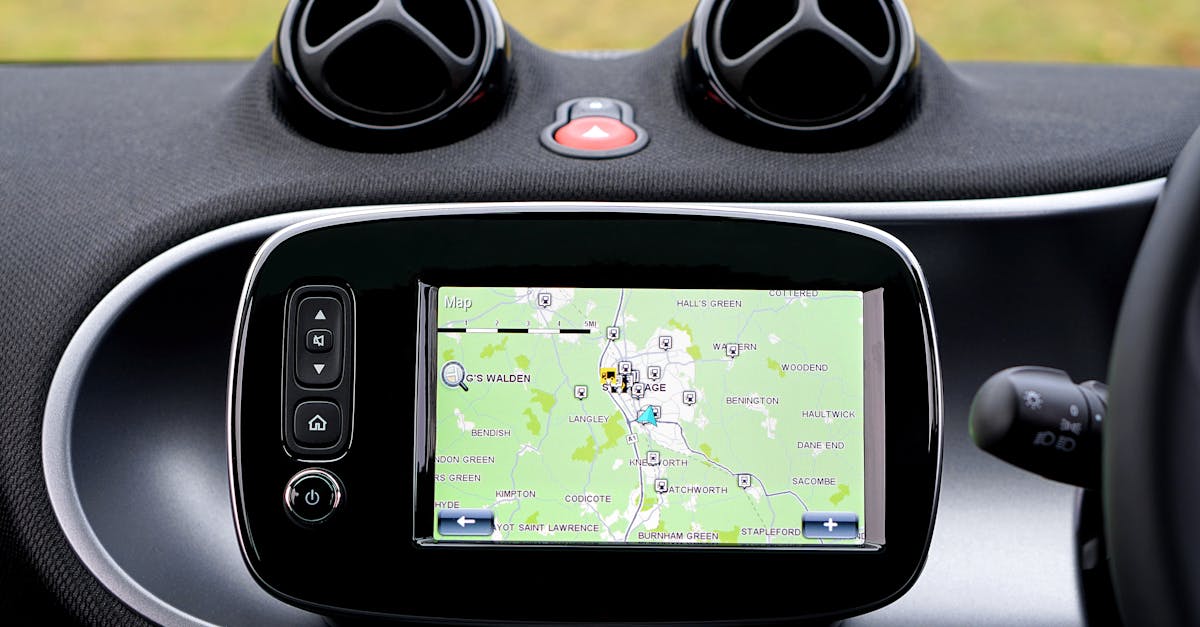
The Mass Transit Railway (MTR) is the backbone of Hong Kong's public transport, offering a seamless, air-conditioned network that connects every corner of the city from the bustling financial district to the serene peaks of Lantau Island. As you navigate the system, remember that the color-coded map is your most valuable tool; simply identify your destination station and follow the corresponding line, noting that transfers are often free within the same ticket validity period. For tourists, purchasing an Octopus card at any MTR station or convenience store is highly recommended, as it not only saves time by eliminating the need to buy individual tickets for each journey but also provides a convenient discount on fares and can be used for payments in many shops and restaurants across the territory.
To make your commute even smoother, familiarize yourself with the "Green Line" etiquette and the clear signage that guides passengers to the correct platform exits, which are crucial for reaching major attractions like Victoria Peak or Disneyland Resort without getting lost. While the MTR is generally punctual and efficient, peak hours between 8:00 AM and 9:30 AM can be extremely crowded, so consider traveling slightly earlier or later if possible to avoid the rush. Additionally, keep an eye out for the "Tourist Information" posters found at major interchange stations, which often highlight nearby shopping areas and dining options, turning your daily commute into a mini-adventure through Hong Kong's vibrant urban landscape.
 This photo was taken by Markus Spiske on Pexels.
Riding the Double-Decker: A Nostalgic Tram Journey
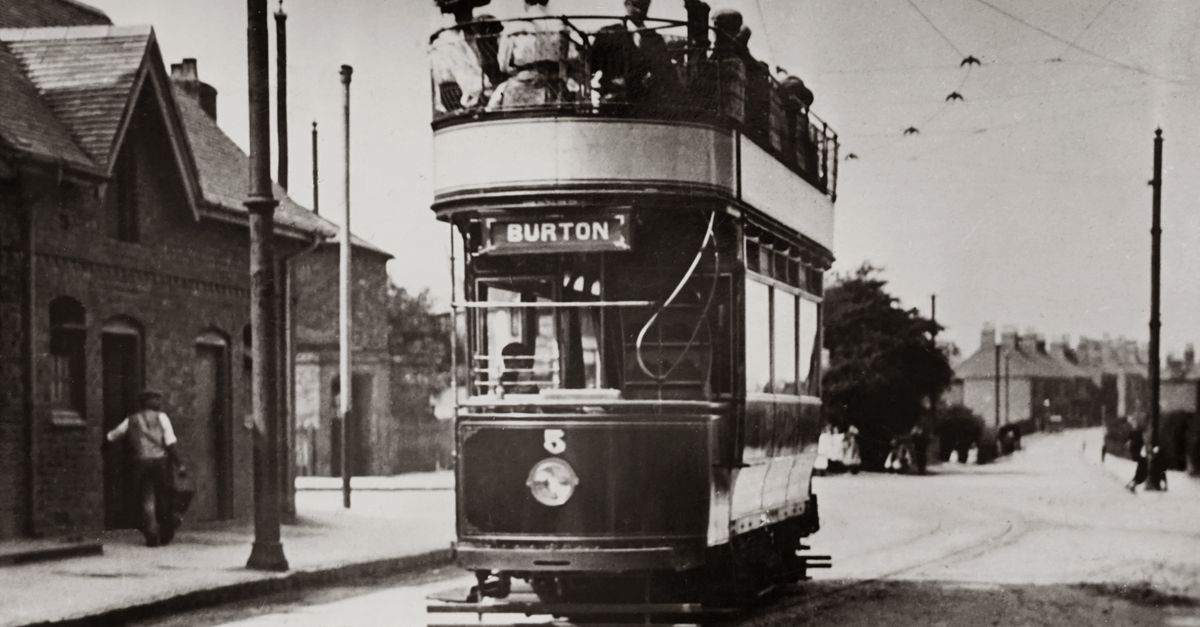
For a truly immersive slice of local life, there is no better way to explore Hong Kong's vibrant streets than aboard the iconic red double-decker trams. Known affectionately as "Ding Ding" for their distinctive bell sound, these vintage vehicles have been weaving through Causeway Bay and Sham Shui Po since 1904, offering a slow-paced, nostalgic journey that contrasts beautifully with the city's high-speed MTR network. As you climb the open-air upper deck, you are treated to an unobstructed, panoramic view of neon-lit skyscrapers towering over bustling markets, while the lower deck fills with commuters heading home from work, creating a unique social tapestry that feels distinctly authentic.
Riding the tram is not merely a mode of transport but a leisurely cultural experience that costs just HK$2.60 per person, making it one of the most affordable ways to see the island. The route meanders along the northern shore of Hong Kong Island, stopping frequently so passengers can hop on and off at will, allowing you to easily access popular shopping districts, historic temples, and waterfront promenades without the stress of navigating traffic. Whether you visit during the golden hour when the sun casts a warm glow on the cityscape or under the dazzling lights of a rainy night, this gentle clatter of wheels on tracks provides a timeless reminder of Hong Kong's rich heritage and its charming blend of old-world charm and modern energy.
 This photo was taken by Suzy Hazelwood on Pexels.
Crossing Victoria Harbour: The Iconic Ferry Experience
Nothing captures the essence of Hong Kong quite like gliding across the shimmering waters of Victoria Harbour on a classic Star Ferry, an experience that has been delighting visitors since 1898. This iconic route connecting Tsim Sha Tsui in Kowloon with Central on Hong Kong Island offers more than just efficient transportation; it provides a front-row seat to the city's breathtaking skyline, where towering skyscrapers reflect off the water against a backdrop of misty green mountains. Whether you choose the upper deck for panoramic views or the lower deck for a more intimate atmosphere, the gentle hum of the engine and the salty sea breeze create a timeless journey that feels like stepping back into history while witnessing the modern metropolis unfold.
Despite its tourist appeal, the ferry remains a beloved mode of daily transit for locals, making it one of the most affordable ways to traverse the harbour at just a few dollars HKD. The two main piers, Central Pier No. 7 and Tsim Sha Tsui East, are bustling hubs where you can easily connect to other forms of public transport, including the MTR and trams, ensuring seamless navigation throughout the region. For the best experience, try to time your ride during the golden hour as the sun sets, casting a warm glow over the illuminated skyline, or visit late at night when the buildings transform into a dazzling canvas of neon lights, offering a perspective of Hong Kong that no bus or train could ever provide.
 This photo was taken by Erik Mclean on Pexels.