Navigating Hong Kong: A Tourist's Metro and Bus Survival Guide
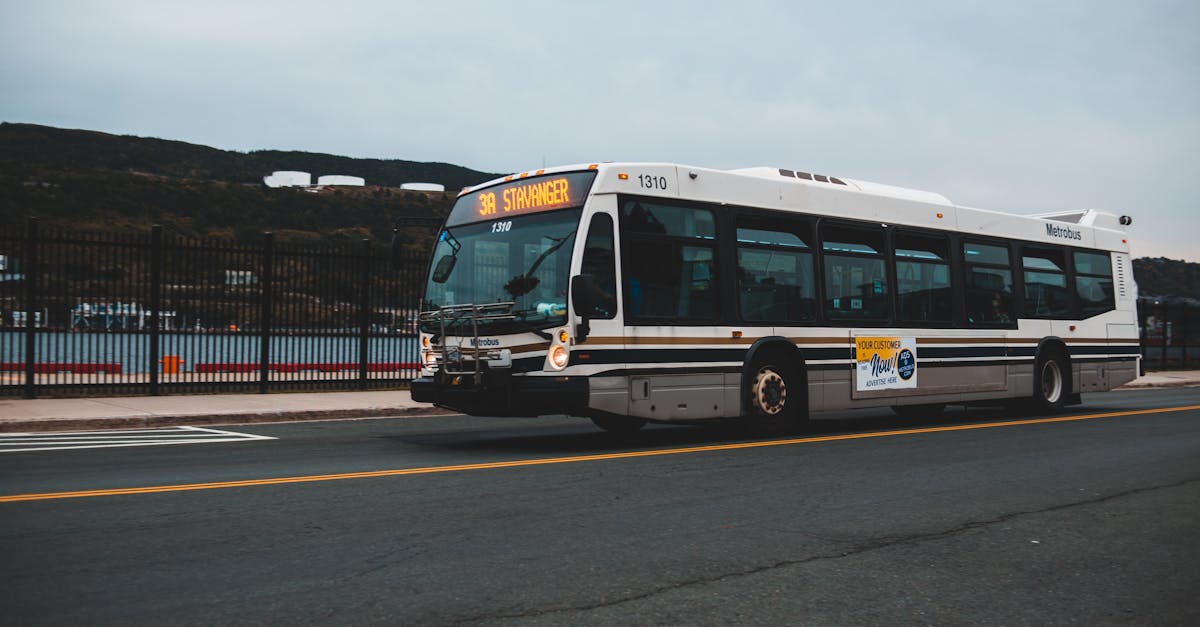 This photo was taken by Erik Mclean on Pexels.
Welcome to the vibrant heartbeat of Hong Kong, where towering skyscrapers meet historic temples and the rhythm of the city is best felt from its world-class transit network. Whether you are a first-time visitor eager to explore Victoria Peak or a seasoned traveler seeking the hidden corners of Kowloon, mastering the local transportation system is your key to unlocking the true essence of this dynamic metropolis. In this guide, we will walk you through everything you need to know to navigate with confidence, from decoding the efficient MTR routes and using your Octopus card like a pro to experiencing the unique charm of our iconic red buses. Get ready to dive into essential smart transit tips, discover crucial etiquette rules, and learn how to dodge peak hour crowds so you can spend less time waiting in lines and more time creating unforgettable memories across China's most exciting city.
This photo was taken by Erik Mclean on Pexels.
Welcome to the vibrant heartbeat of Hong Kong, where towering skyscrapers meet historic temples and the rhythm of the city is best felt from its world-class transit network. Whether you are a first-time visitor eager to explore Victoria Peak or a seasoned traveler seeking the hidden corners of Kowloon, mastering the local transportation system is your key to unlocking the true essence of this dynamic metropolis. In this guide, we will walk you through everything you need to know to navigate with confidence, from decoding the efficient MTR routes and using your Octopus card like a pro to experiencing the unique charm of our iconic red buses. Get ready to dive into essential smart transit tips, discover crucial etiquette rules, and learn how to dodge peak hour crowds so you can spend less time waiting in lines and more time creating unforgettable memories across China's most exciting city.
Mastering the MTR: Routes, Cards, and Hidden Gems
Mastering the MTR is your golden ticket to exploring Hong Kong with confidence and efficiency, as this world-class rail network connects every corner of the city from the bustling Central District to the serene Lantau Island. To streamline your journey, purchase an Octopus card immediately upon arrival at any MTR station; this versatile smart card not only works seamlessly across all train lines, buses, and ferries but also allows you to tap-and-go at countless convenience stores and restaurants, saving you the hassle of buying individual tickets. While the main tourist routes like the Tung Chung Line to Ngong Ping or the East Rail Line to Sheung Shui are well-signposted, savvy travelers should also consider lesser-known stops such as Tai O on the Tung Chung Line for its stilt-house fishing village charm or Lok Ma Chau for a unique glimpse into the border culture, ensuring your transit experience offers more than just sightseeing.
Beyond the standard tourist trails, the MTR system itself reveals hidden gems that often go unnoticed by first-time visitors, particularly during the quieter hours of early morning or late evening when the trains offer a peaceful sanctuary from the city's frenetic energy. For instance, a short ride on the Tuen Ma Line to Sha Tin Town Centre unveils the stunning Hong Kong Palace Museum, while a quick hop to Kowloon Bay leads you to the vibrant Kwun Tong district, renowned for its trendy coffee shops and street art that rival those in global metropolises. By familiarizing yourself with the color-coded map and utilizing the MTR Mobile app for real-time updates and platform information, you can effortlessly navigate these underground arteries, transforming a simple commute into an immersive cultural discovery that highlights the dynamic contrast between Hong Kong's modern infrastructure and its rich heritage.
 This photo was taken by Caique Araujo on Pexels.
Riding the Red Buses: A Scenic Alternative to the Metro
This photo was taken by Erik Mclean on Pexels.
Smart Transit Tips: Apps, Etiquette, and Peak Hour Hacks
To navigate Hong Kong's intricate transit network with ease, downloading the KMB and Citybus apps alongside Google Maps is essential for real-time bus schedules and MTR route planning. The Octopus card remains the gold standard for payment, offering seamless tap-and-go access to trains, buses, ferries, and even convenience stores, so ensure you purchase one at any airport arrival hall or MTR station upon landing. When riding the Mass Transit Railway (MTR), remember that silence is golden; keep your voice low on calls, avoid eating or drinking in carriages, and always stand behind the yellow safety line while waiting on platforms. For a more relaxed experience, consider traveling during off-peak hours if your itinerary allows, as the rush between 8:00 AM and 9:30 AM can be intensely crowded, though the system is efficient enough to handle the flow once you know where to board.For those brave enough to ride during peak times, mastering the art of "hugging" your belongings close to your body and stepping toward the center of the carriage can save valuable elbow room. On double-decker buses, aim for the lower deck near the front doors to minimize walking distance and secure a window seat before the vehicle hits traffic congestion, while utilizing the dedicated priority seating areas respectfully for elderly passengers or those with disabilities. If you find yourself stuck in a jammed train, remain calm and let exiting passengers disembark before attempting to board, as this simple act of etiquette keeps the flow moving smoothly for everyone. By combining these digital tools with local customs, you will transform what could be a chaotic commute into a stress-free journey, allowing you to focus entirely on enjoying the vibrant cityscape outside your window.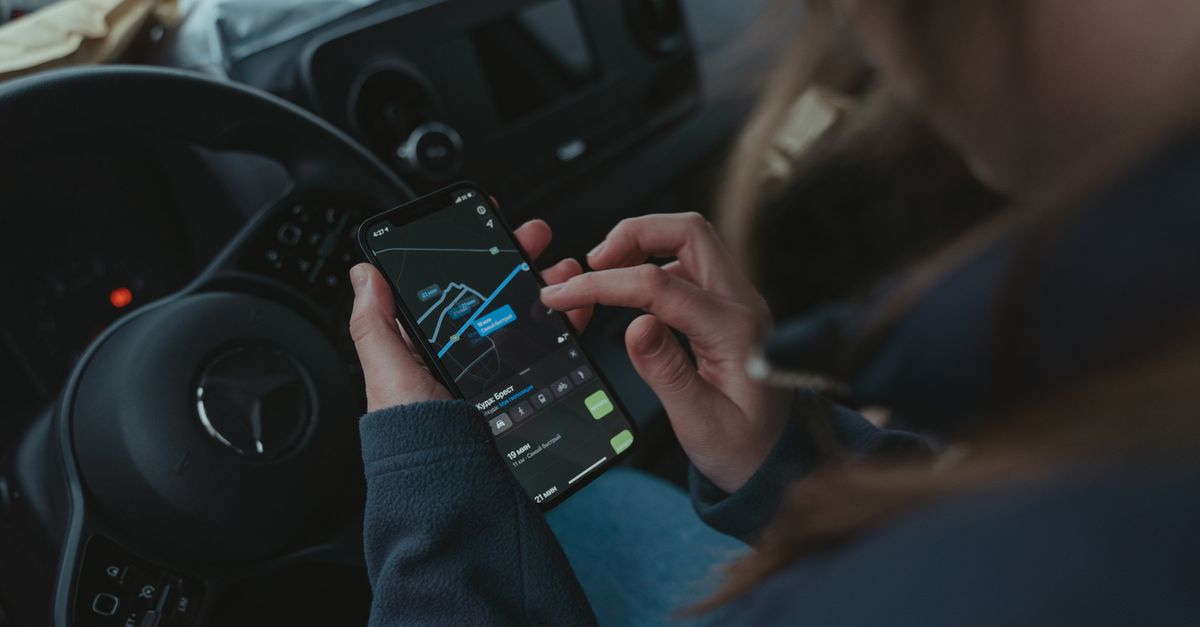 This photo was taken by Tima Miroshnichenko on Pexels.