Local Tips: Etiquette and Customs Every Tourist Should Know
 This photo was taken by Raduz on Pexels.
Navigating Public Transport with Respect
Mastering Hong Kong's efficient public transport system requires more than just knowing the routes; it demands an understanding of the unspoken rules that keep millions moving smoothly. On the MTR and buses, silence is golden, so please keep your phone conversations brief or step into the designated areas to speak loudly. When boarding a train, always allow passengers to exit before you enter, and remember that priority seats are strictly reserved for the elderly, pregnant women, and those with disabilities—offering these seats is not just polite, it is expected. If you find yourself on a crowded platform, maintain a respectful distance from fellow commuters and avoid blocking doors with luggage, as space is at a premium during rush hours.
Respect also extends to how you interact with staff and navigate fare gates. It is customary to tap your Octopus card neatly against the reader without rushing, and if you need assistance, approach station staff politely rather than shouting across the concourse. While queuing is not always enforced by barriers, forming an orderly line behind the yellow safety lines on platforms demonstrates consideration for others' personal space. Furthermore, eating and drinking are generally prohibited inside the MTR stations and trains to maintain cleanliness; enjoy your dim sum or bubble tea after you have exited the transit system. By observing these customs, you show appreciation for the city's orderliness and ensure a pleasant experience for everyone around you.
 This photo was taken by Akhil Dasari on Pexels.
Dining Customs and Manners at Dim Sum
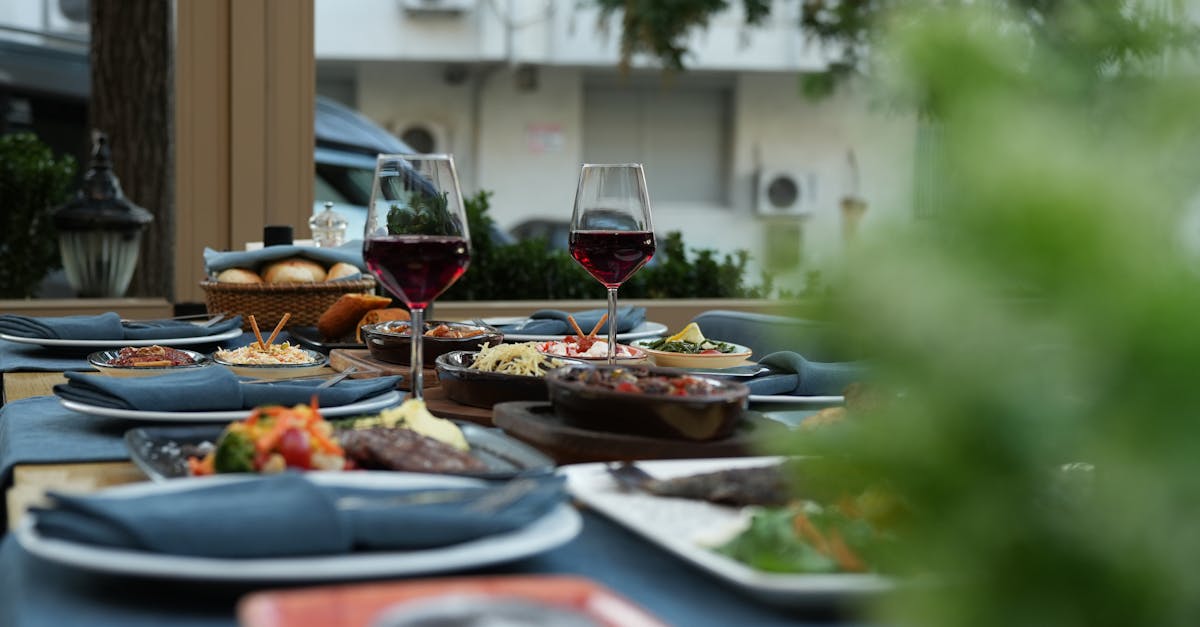
When enjoying the iconic Hong Kong dim sum experience, understanding the art of the "chopstick dance" is essential for a smooth meal. Unlike Western dining where individual plates are common, dim sum is traditionally served on small porcelain carts or shared platters meant for communal eating. It is polite to wait until the server places a dish before taking food, and you should always use the serving chopsticks provided with each dish rather than your personal ones to pick up items directly from the center. If you wish to take a specific piece, gently place it on your own plate first; never dig through the pile to find what you like, as this is considered poor manners. Additionally, if you see someone reaching for a dish you need, simply ask them to pass it to you politely instead of leaning over the table.
Beyond food handling, there are several subtle rituals that show respect to your fellow diners and the staff. A classic custom is the "cup-tapping" gesture: when someone pours tea for you, lightly tap two fingers on the table in gratitude, mimicking the act of bowing to thank the pourer. This tradition dates back to the Qing Dynasty and remains a charming part of the culture today. Furthermore, be mindful of noise levels; while dim sum restaurants can be lively, excessive shouting or banging dishes is frowned upon. When you have finished eating, it is customary to stack your used bowls and plates neatly at the edge of the table or leave them slightly apart to signal to the server that you are done, making their job easier and keeping the table tidy for everyone.
 This photo was taken by Busenur Demirkan on Pexels.
Respecting Local Traditions in Temples and Markets
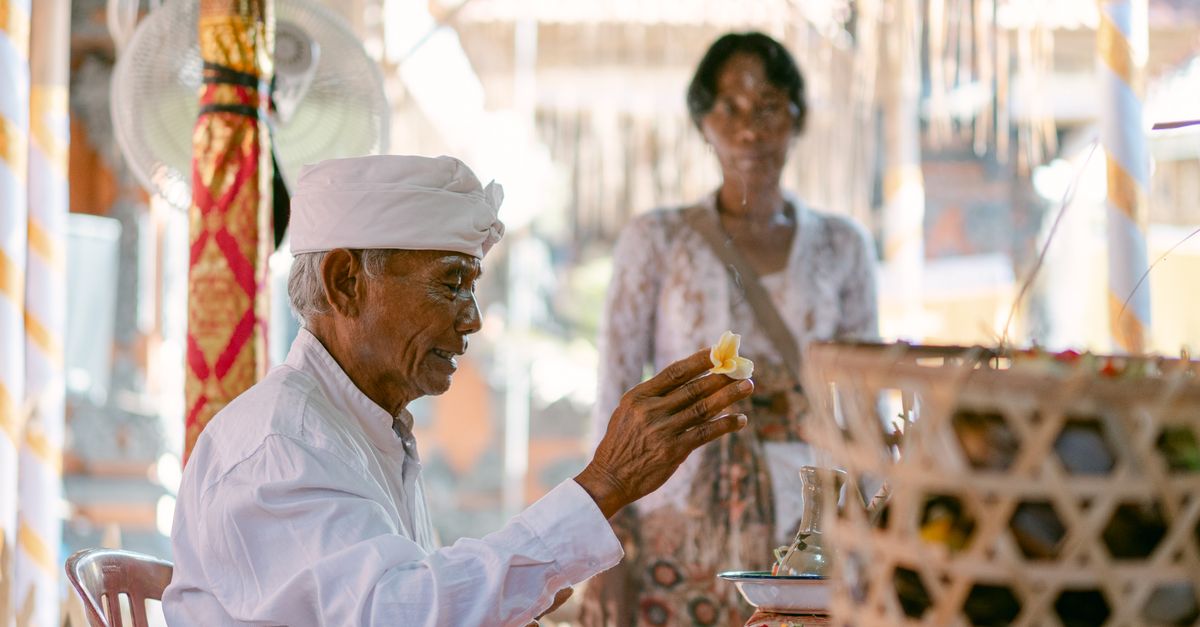
When visiting Hong Kong's historic temples, such as the Man Mo Temple in Sheung Wan or the Po Lin Monastery on Lantau Island, visitors are encouraged to observe quiet reverence and adhere to specific cultural protocols. It is customary to remove your shoes before entering certain shrine areas and to dress modestly by covering your shoulders and knees; loud conversations, photography of worshippers without permission, or stepping on incense burners should be avoided. If you choose to offer incense or light candles, follow the lead of local devotees regarding the number of sticks (often three) and the direction you face, ensuring you do not block pathways for those praying. Remember that these spaces are active places of worship first and tourist attractions second, so maintaining a respectful demeanor honors the spiritual significance they hold for the community.
In bustling markets like Temple Street Night Market or the Ladies' Market, respecting local customs enhances your experience and fosters positive interactions with vendors. While bargaining is an expected and enjoyable part of the shopping culture in these stalls, it should be done with a smile and good humor rather than aggressive haggling; a polite refusal from a seller often means the price is already fair, and persisting can be seen as rude. When sampling street food, always use chopsticks provided or buy your own, and avoid touching items directly with your hands unless permitted. Furthermore, be mindful of personal space in crowded aisles and keep your voice down during peak hours to ensure the lively atmosphere remains pleasant for both locals and fellow tourists alike.
 This photo was taken by Arjun Adinata on Pexels.