Local Etiquette: Do's and Don'ts for First-Time Visitors
 This photo was taken by Atlantic Ambience on Pexels.
Navigating Public Transport and Queueing Culture
Public Transport and Queueing Culture
Hong Kong's public transport network, renowned for its efficiency and cleanliness, is the lifeline of the city, but navigating it requires a keen eye for local customs. When boarding the iconic MTR or double-decker buses, remember that queues are strictly enforced at designated platforms and bus stops; cutting in line is considered highly disrespectful and will likely draw immediate attention from both fellow passengers and staff. Inside the trains, maintain a low profile by keeping conversations to a whisper and ensuring your mobile phone is on silent, as the collective culture values quietude and personal space. While rushing to catch a train is common during peak hours, always allow passengers to exit before attempting to board, and be prepared to offer your seat to the elderly or those with young children, a gesture that is deeply appreciated.
The concept of queueing extends beyond just waiting for transit; it permeates daily life from food stalls to popular attractions like The Peak or Disneyland. Locals take pride in orderly lines, often forming neat single-file queues even when crowds are dense, so patience is your best companion. Avoid pushing through gaps or shouting to get ahead, as this disrupts the social harmony that defines the city. If you find yourself in a long line, observe the flow and join the back respectfully rather than trying to shortcut through the crowd. By adhering to these unspoken rules of order and respect, you not only avoid causing offense but also immerse yourself more authentically in the disciplined yet welcoming rhythm of Hong Kong life.
 This photo was taken by Quang Nguyen Vinh on Pexels.
Dining Etiquette: Chopstick Manners and Tea Topping
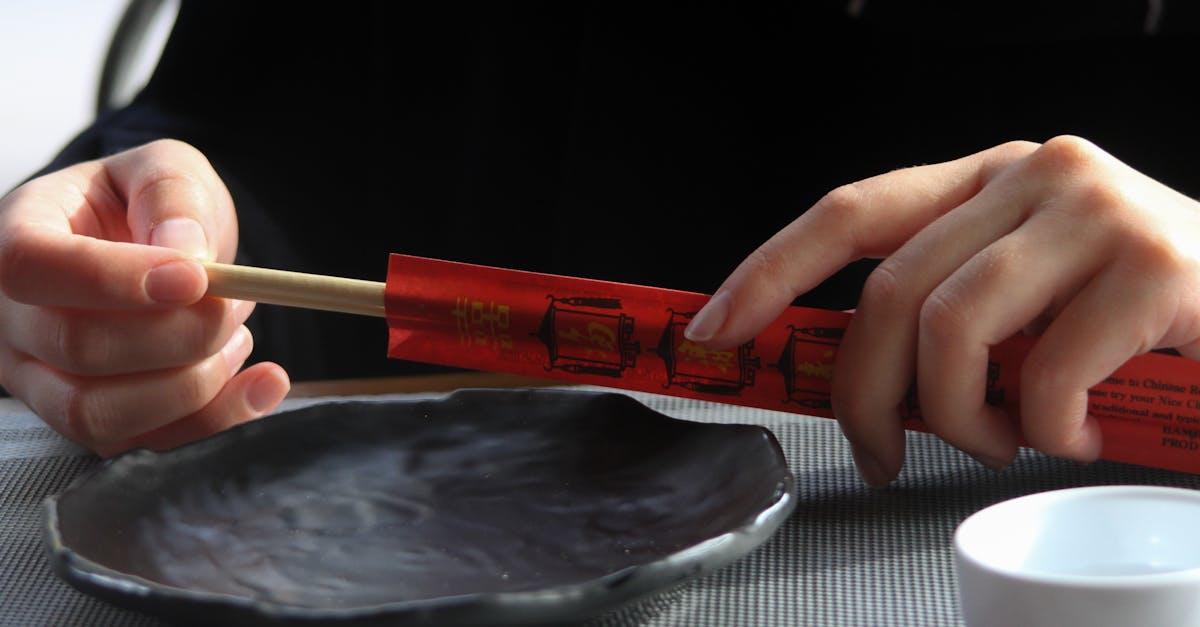
In Hong Kong's bustling dim sum restaurants and traditional tea houses, mastering chopstick etiquette is essential for a respectful dining experience. Never stick your chopsticks vertically into a bowl of rice, as this resembles incense sticks offered to the deceased and is considered highly inauspicious. Similarly, avoid tapping your utensils against the rim of your bowl or passing food directly from one pair of chopsticks to another, as these actions mimic funeral rituals. Instead, use the serving spoons provided at communal tables to transfer dishes to your personal plate, and rest your chopsticks horizontally on the rest or the edge of the bowl when you take a brief pause.
Tea culture in Hong Kong is deeply intertwined with social interaction, particularly through the ritual of "tea topping." When your companion pours tea for you, it is customary to tap your index and middle fingers together lightly on the table twice or three times to express gratitude without interrupting the flow of conversation; this gesture dates back to an era when servants would hide their bows from masters by pretending to adjust their sleeves. If your cup runs dry during a meal, do not wait for the server to notice—simply lift your pot slightly and hold it out, signaling politely that a refill is needed, while always ensuring you pour tea for others before refilling your own glass to maintain harmony at the table.
 This photo was taken by Feyza Tuğba on Pexels.
Respecting Sacred Spaces and Local Customs
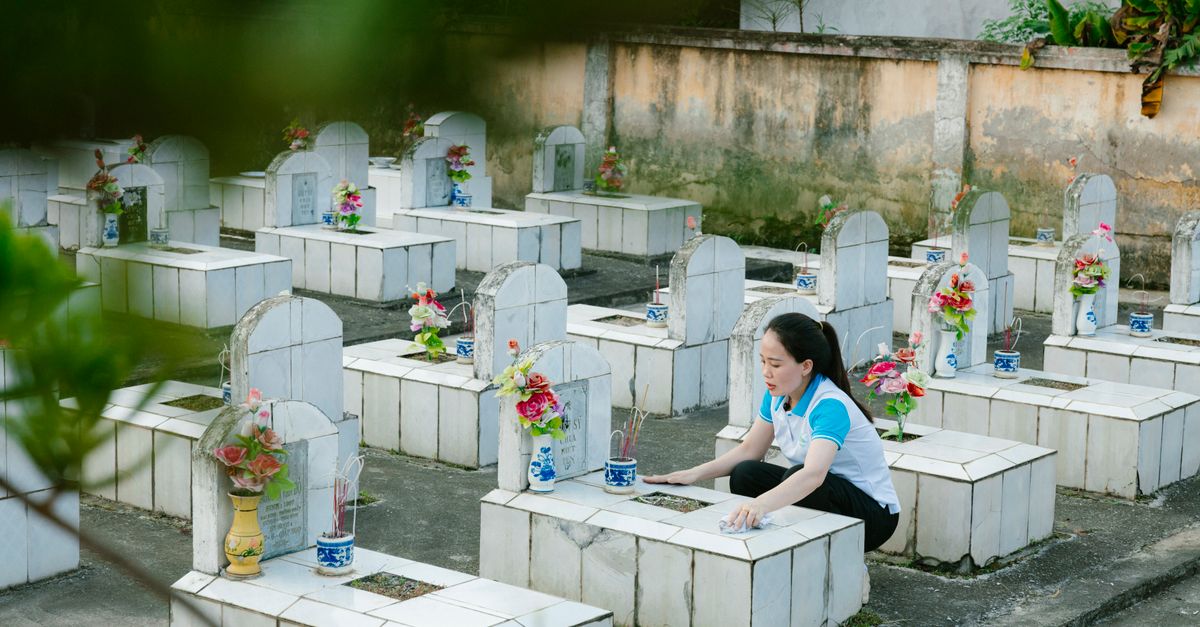
When exploring Hong Kong's vibrant landscape, it is essential to approach our many temples and shrines with the utmost reverence. Whether you are visiting the historic Man Mo Temple in Sheung Wan or the bustling Po Lin Monastery on Lantau Island, remember to dress modestly by covering your shoulders and knees, and always remove your shoes before entering prayer halls. Visitors should maintain a quiet demeanor, refrain from taking flash photography inside sacred areas, and never point their feet toward statues of deities, as this is considered highly disrespectful. If you wish to make an offering, observe how locals light incense and bow three times, ensuring you handle the ritual with sincerity rather than treating it as a mere photo opportunity.
Beyond religious sites, understanding local customs regarding daily interactions will greatly enhance your experience here. In Hong Kong, public displays of affection are generally kept minimal, and loud conversations or phone calls on the MTR (Mass Transit Railway) are frowned upon; instead, passengers are expected to keep their voices low and offer seats to the elderly. When dining, it is polite to wait for the eldest person at the table to start eating first, and leaving a small amount of food on your plate can signify that the host provided more than enough. Additionally, avoid using your chopsticks to tap on bowls or pass food directly from one pair of chopsticks to another, as these actions are associated with funeral rites and bad luck in Cantonese culture.
 This photo was taken by HONG SON on Pexels.