Hong Kong vs. Macau: Which City Should You Choose?
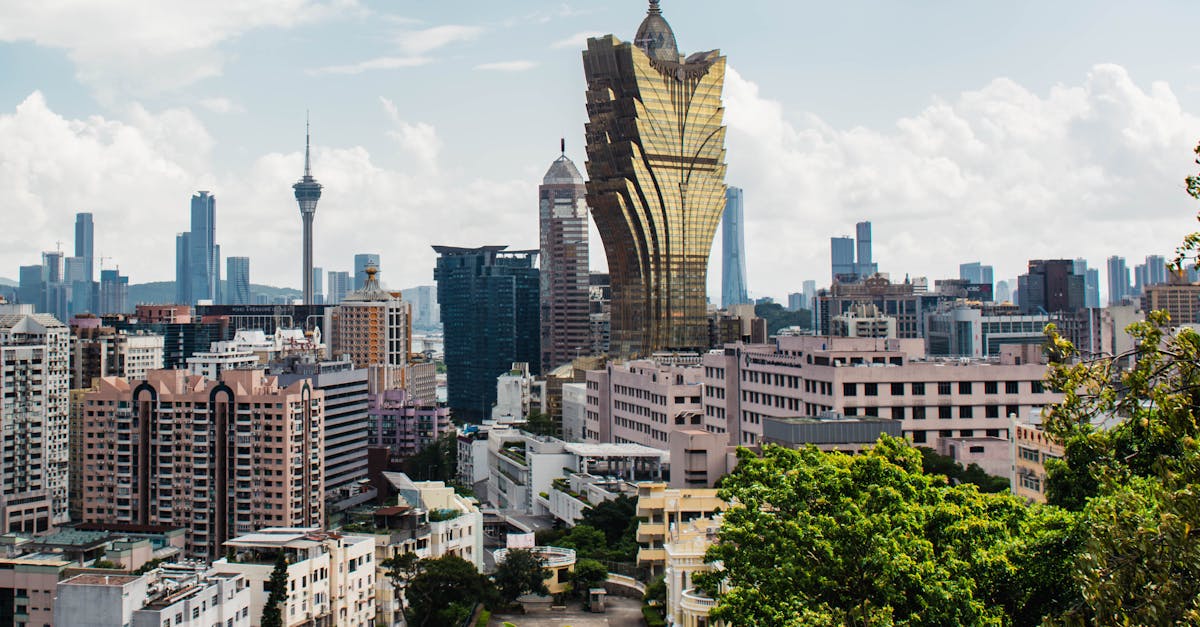 This photo was taken by Miles Rothoerl on Pexels.
Welcome to the Pearl of the Orient! As a local guide who has explored every corner of our region, I often get asked by travelers: "Should I spend my time in Hong Kong or Macau?" Both cities offer unforgettable experiences, yet they paint very different pictures for your itinerary. While Hong Kong dazzles with its futuristic skyline and electric energy, Macau enchants visitors with its laid-back colonial architecture and unique blend of East and West. Whether you are chasing high-stakes thrills in world-class casinos, hunting for street food treasures, or simply navigating the best ways to move between these two dynamic hubs, this guide will help you decide which destination perfectly matches your travel style. Let's dive into the vibrant contrasts and practical tips that will make your Southern China adventure truly seamless.
Vibrant Skyscrapers vs. Colonial Charm: Setting the Scene
Stepping into Hong Kong is like entering a vertical metropolis where the skyline tells a story of relentless ambition and modern marvels. The city's iconic silhouette, dominated by the slender spire of the International Commerce Centre and the glass giants of Central, offers a breathtaking backdrop that defines its identity as a global financial powerhouse. Here, the air hums with the energy of neon-lit streets and the rhythmic clatter of the Peak Tram winding up Victoria Peak, providing panoramic views that seamlessly blend futuristic architecture with the dense, pulsating life of an urban jungle.
In stark contrast, Macau presents a captivating tableau where colonial history whispers through cobblestone lanes and pastel-hued facades that have stood for centuries. As the former Portuguese colony, this compact territory preserves a unique architectural heritage, from the baroque grandeur of St. Paul's Ruins to the quiet elegance of the A-Ma Temple nestled amidst high-rise resorts. While Hong Kong looks upward toward the clouds, Macau invites you to wander sideways through time, offering a romantic, Old World charm that feels distinctly removed from the frenetic pace of its neighbor across the water.
 This photo was taken by Diego Osornio Estrella on Pexels.
Gaming and Nightlife: From 24/7 Casinos to Cultural Festivals
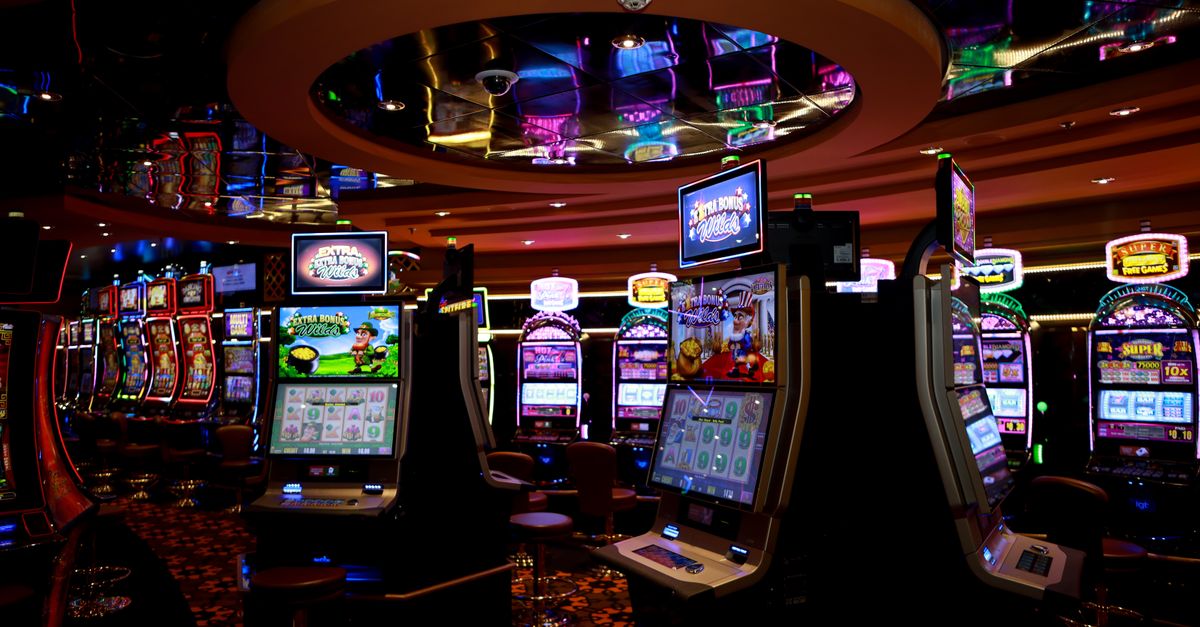
While Macau is globally renowned as the "Las Vegas of the East" with its sprawling, 24/7 casino resorts that never sleep, Hong Kong offers a more nuanced and culturally rich nightlife experience. Instead of gambling halls dominating the skyline, the city pulses with vibrant energy in its bustling districts like Lan Kwai Fong and SoHo, where rooftop bars offer breathtaking views of Victoria Harbour alongside world-class cocktails. Although there are no land-based casinos within Hong Kong's borders, the entertainment scene thrives on a diverse mix of live music venues, underground clubs, and late-night street food markets that create an electric atmosphere until dawn. This unique blend of cosmopolitan sophistication and local charm ensures that visitors seeking a night out find endless variety without the heavy focus on gaming.
Beyond the evening buzz, both cities shine during their spectacular cultural festivals, yet they cater to different tastes. Macau hosts grand fireworks displays and international events like the Macau Grand Prix, often integrated with its luxury resort calendar, while Hong Kong transforms into a kaleidoscope of color during the Mid-Autumn Festival lantern parades or the Dragon Boat races along the harbor. The city's nightlife extends into these celebrations, where traditional performances meet modern DJ sets in a seamless fusion of old and new. Whether you are drawn to the high-stakes glamour of Macau's gaming floor or the eclectic, festival-driven social scene of Hong Kong, each destination promises an unforgettable nocturnal adventure tailored to your personal style.
 This photo was taken by Elizabeth Ferreira on Pexels.
Getting Around: Transport, Costs, and Itinerary Tips
Navigating Hong Kong is a seamless experience thanks to its world-class public transportation network, which includes the efficient MTR subway system, iconic double-decker trams, and colorful green minibuses. While the initial cost of an Octopus card top-up is minimal, daily travel expenses remain surprisingly affordable, with most rides under 10 HKD, making it easy to explore diverse districts from the bustling streets of Mong Kok to the serene trails of Lantau Island without breaking the bank. In contrast to Macau's compact layout where walking or taking short taxi rides suffices, Hong Kong requires a bit more planning for longer distances between the Kowloon peninsula and the New Territories, so allocating extra time in your itinerary for transit is essential to fully appreciate the city's vertical skyline and hidden culinary gems.When crafting your schedule, consider that Hong Kong offers a dynamic mix of urban energy and natural escapes, allowing you to spend a morning hiking in the country parks and an evening dining at a Michelin-starred street food stall in Central. To maximize your visit, prioritize visiting major attractions like Victoria Peak and the Disneyland Resort early in the day to avoid crowds, while saving evenings for the vibrant nightlife along Lan Kwai Fong or the Symphony of Lights show over the harbor. Although Macau provides a more relaxed, casino-centric vibe within a walkable area, Hong Kong demands a slightly faster pace and a broader budget for accommodation and activities, yet rewards travelers with unparalleled diversity in culture, cuisine, and scenery that few other cities can match.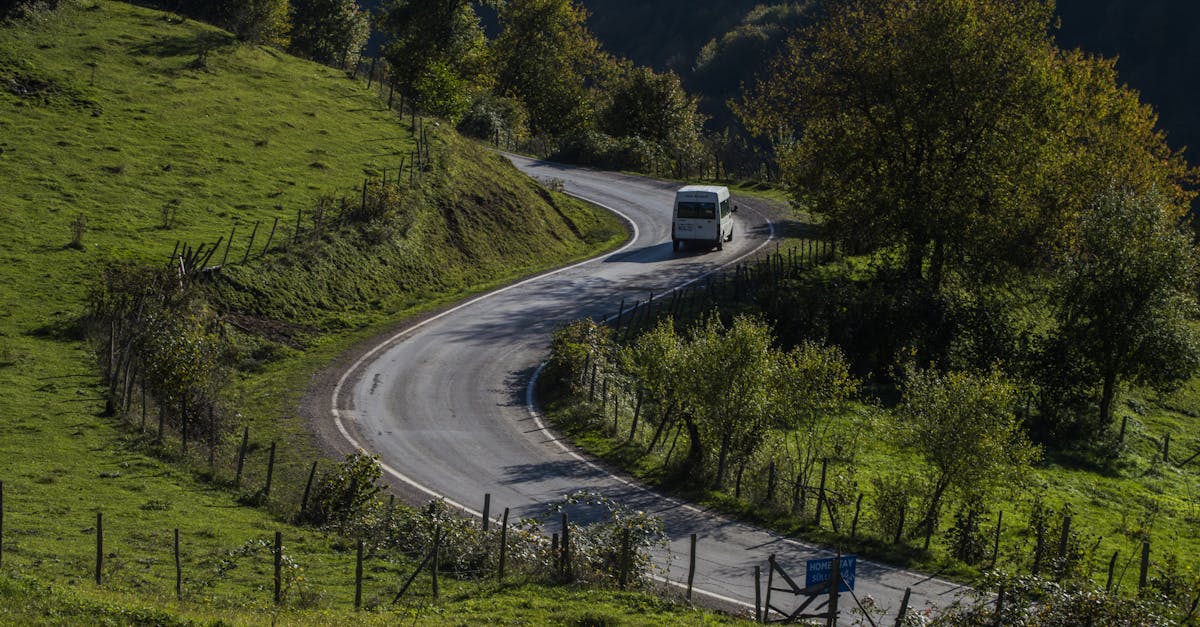 This photo was taken by Serafettin Ünye on Pexels.