History Unveiled: Walking Through Hong Kong's Colonial Architecture
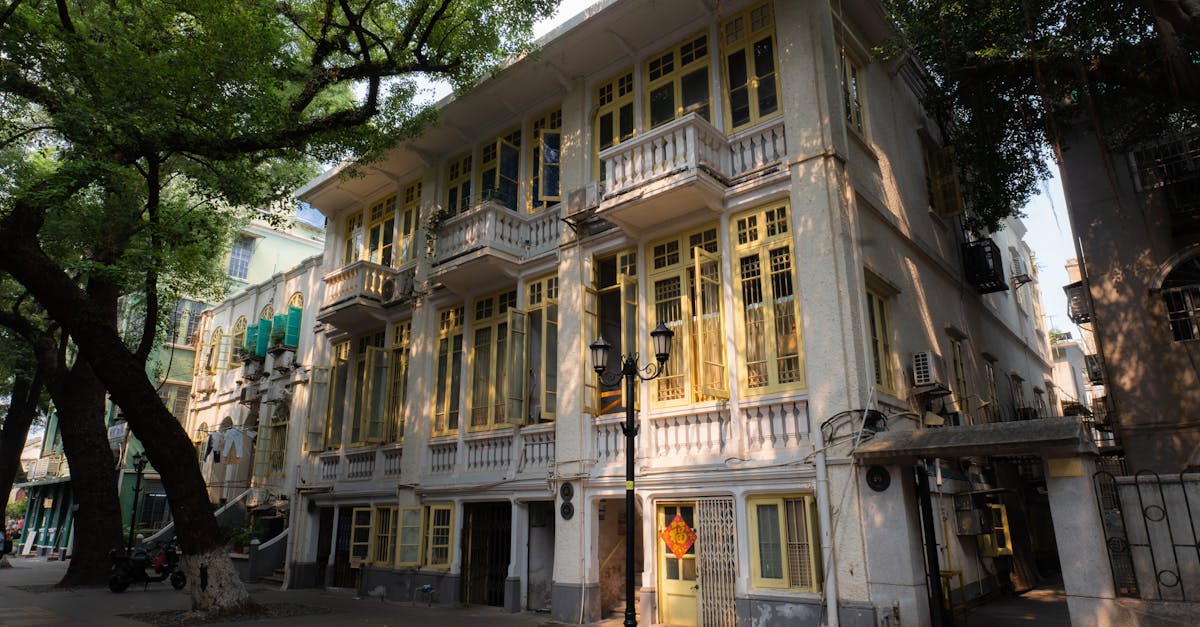 This photo was taken by 何 夏 on Pexels.
Welcome to the heart of Hong Kong, where every cobblestone and grand column whispers tales of a bygone era. As we step away from the glittering skyscrapers that define our modern skyline, this journey invites you to uncover the city's rich colonial legacy. From its humble beginnings as a strategic trading outpost to its transformation into a bustling global metropolis, the architecture tells a story of resilience, adaptation, and cultural fusion. Join me as we explore the architectural gems scattered across the Central District and beyond, and discover the dedicated efforts underway to preserve these historic treasures for future generations. Let us walk through time and reveal the hidden history etched into the very fabric of our beloved city.
From Colonial Outpost to Modern Metropolis
Stepping onto the cobblestone streets of Central, one is immediately transported back to Hong Kong's origins as a humble colonial outpost, where British influence reshaped a fishing village into a bustling trade hub. The city's architectural landscape tells this story vividly, with iconic structures like the former Supreme Court and the Old Police Headquarters showcasing grand neoclassical facades that once symbolized imperial power. These buildings, often constructed with durable granite and featuring symmetrical columns, stand as silent witnesses to over a century of administration, their weathered stone walls whispering tales of a bygone era when the skyline was dominated not by skyscrapers, but by low-rise warehouses and government offices.
Today, however, these historic gems are no longer isolated relics; they form the vibrant heart of a modern metropolis that seamlessly blends its past with an ambitious future. Towering glass-and-steel skyscrapers now rise majestically behind these colonial landmarks, creating a dramatic visual contrast that defines Hong Kong's unique identity. As you wander through Lan Kwai Fong or enjoy a coffee on the rooftop terrace of a heritage building converted into a trendy lounge, you can see how the city has evolved from a strategic port into a global financial powerhouse, preserving its architectural soul while embracing the dynamism of the 21st century.
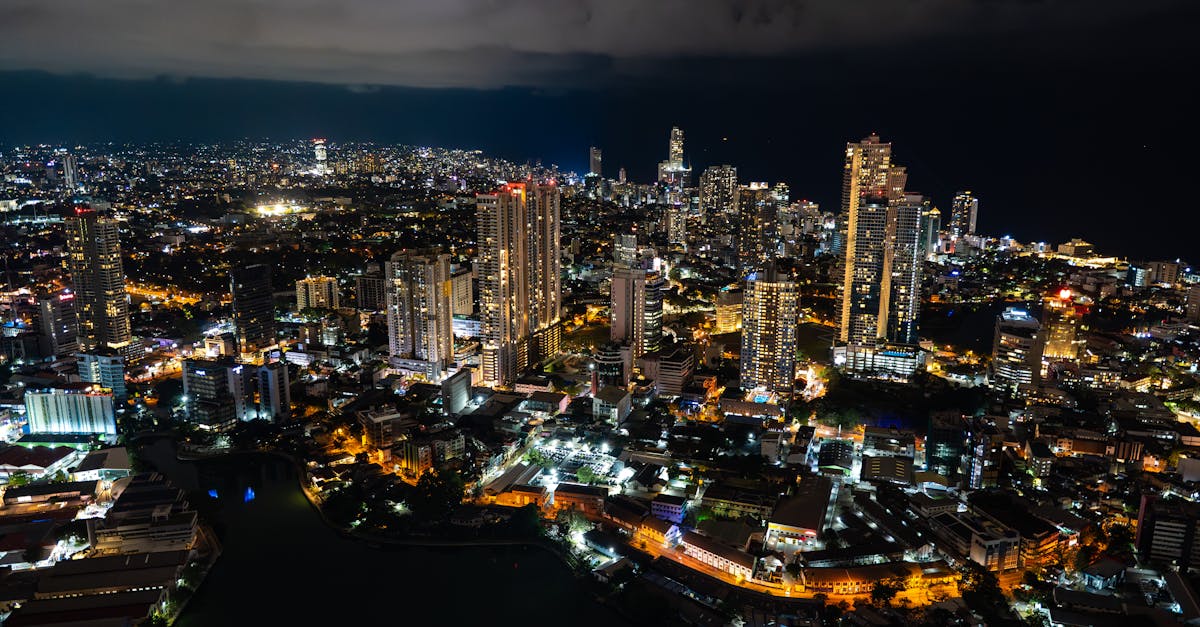 This photo was taken by Thilina Alagiyawanna on Pexels.
Architectural Gems: The Central District and Beyond
At the heart of Hong Kong's skyline lies the Central District, a vibrant tapestry where Victorian grandeur meets modern ambition. Here, visitors can stroll past the majestic City Hall and the historic Old Supreme Court Building, their sandstone facades whispering tales of the colonial era while standing in stark contrast to the gleaming glass towers that surround them. The area is not merely a business hub but an open-air museum; as you wander through the shaded lanes of Hollywood Road or admire the intricate ironwork of the Former French Mission House, you are walking through layers of history that have shaped this dynamic city into a global metropolis.
Venturing beyond Central reveals even more architectural treasures that define Hong Kong's unique heritage. In Sheung Wan, the restored Lamma Island fishing villages offer a glimpse into traditional vernacular architecture, while the bustling streets of Sai Ying Pun hide hidden courtyards and converted shophouses that blend Chinese and Western influences seamlessly. From the imposing Government House with its manicured gardens to the quiet elegance of the Peak Tram terminus, each structure tells a story of adaptation and resilience. These gems invite tourists to look beyond the skyscrapers and discover the soul of Hong Kong, preserved in brick, stone, and wood for future generations to explore.
 This photo was taken by Erik Mclean on Pexels.
Preserving the Past: Restoration Efforts and Cultural Heritage
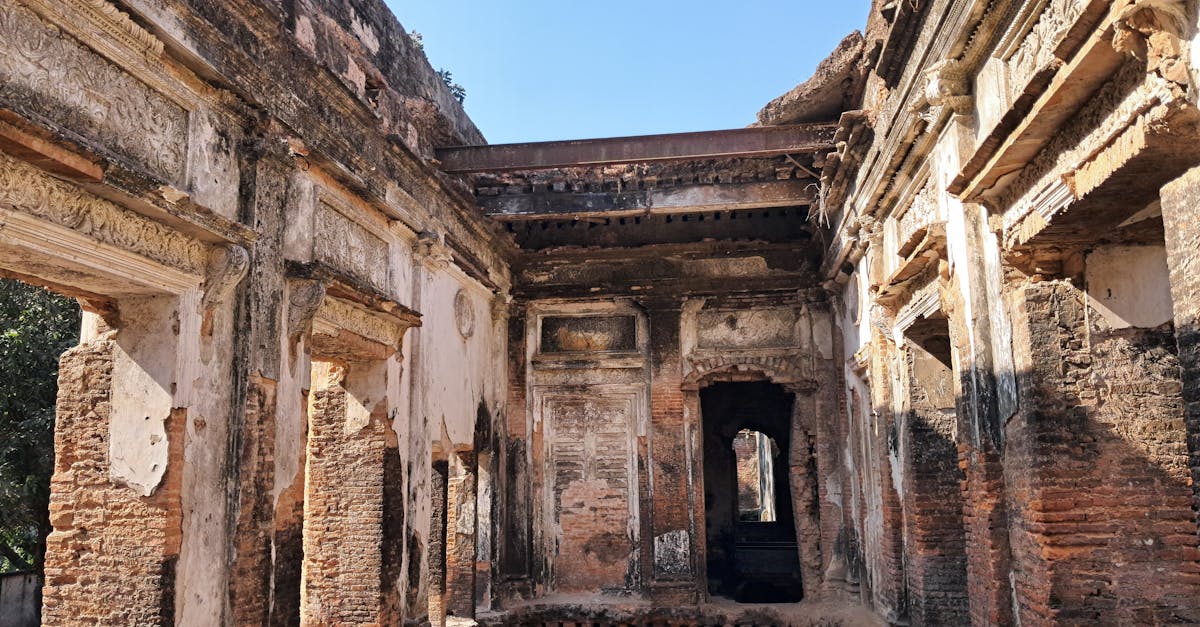
While the gleaming skyscrapers of Central often steal the spotlight, Hong Kong's soul is deeply rooted in its meticulously preserved colonial heritage, where every restored building tells a story of resilience and adaptation. Recent initiatives have breathed new life into landmarks like the Former French Foreign Mission House in Shek O and the historic Cheung Chau Pak Tai Temple, blending Victorian neoclassical grandeur with traditional Chinese craftsmanship. These restoration projects are not merely about architectural conservation; they are dynamic efforts to maintain the city's unique cultural identity by integrating modern sustainability practices while honoring the intricate details of the past, ensuring that visitors can walk through time without the structures feeling like static museum pieces.
As you explore these heritage trails, you will notice how local authorities and community groups collaborate to protect these tangible links to Hong Kong's colonial era from the relentless pressure of urban development. From the careful repointing of sandstone facades on the Old Supreme Court Building to the revitalization of the old police stations now serving as vibrant art spaces, these efforts create a living tapestry of history. This dedication allows tourists to experience more than just a visual tour; it offers an immersive journey where the echoes of British rule intertwine seamlessly with Cantonese traditions, providing a profound understanding of how Hong Kong has evolved while holding fast to its historical roots.
 This photo was taken by Md Mohiul Islam on Pexels.