Foodie's Dream: A Culinary Tour of Dim Sum and Beyond
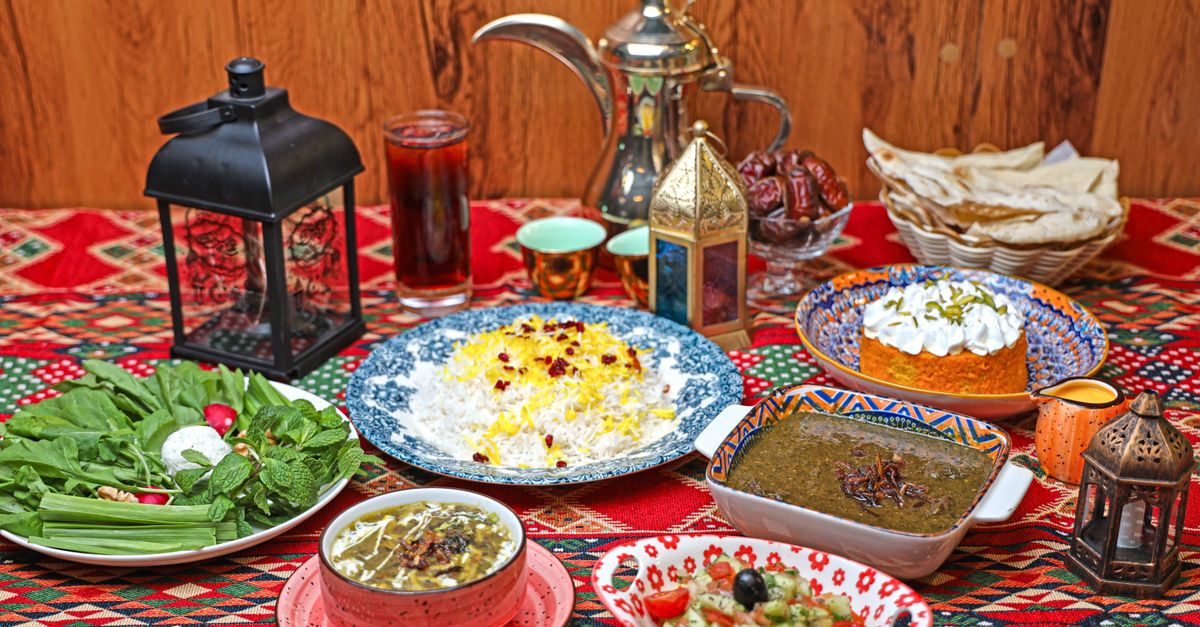 This photo was taken by Shameel mukkath on Pexels.
Welcome to the beating heart of Cantonese gastronomy, where the aroma of steaming baskets mingles with the electric hum of a bustling metropolis. As your local guide, I invite you to embark on "Foodie's Dream: A Culinary Tour of Dim Sum and Beyond," an immersive journey through Hong Kong's most iconic flavors. From the time-honored etiquette of yum cha that defines our morning rituals, to the savory surprises waiting in forgotten alleyways, this city offers a dining experience unlike any other. We will also explore how visionary chefs are reimagining classic dishes for the modern palate, proving that tradition and innovation can dance together perfectly on one plate. Get your chopsticks ready; it's time to taste the soul of Hong Kong.
The Art of Morning Tea: Mastering the Dim Sum Ritual
In the heart of Hong Kong, the morning ritual of yum cha (drinking tea) is far more than a meal; it is a vibrant social institution that sets the pace for the day. As sunlight filters through the bamboo blinds of bustling teahouses in neighborhoods like Sham Shui Po or Central, the air fills with the clatter of porcelain and the steam rising from bamboo baskets. This is where families gather to share dim sum, a vast array of delicate bite-sized dishes ranging from classic har gow (shrimp dumplings) and siu mai to modern innovations like truffle xiao long bao. The true art lies in the rhythm: a steaming pot of pu-erh or jasmine tea is constantly refilled by attentive waiters pushing carts laden with fresh creations, ensuring no bowl remains empty and every conversation flows as smoothly as the poured tea.
Mastering this culinary dance requires a keen eye and a nimble hand, as diners must act quickly to secure their favorite items before the cart moves on to the next table. It is a communal experience where strangers often bond over shared plates, and the etiquette of "chopstick tapping" to thank the server adds a layer of cultural charm unique to the city. Beyond the food itself, the atmosphere offers an authentic glimpse into local life, contrasting sharply with the neon-lit skyscrapers just outside. Whether you are savoring the buttery richness of egg tarts or dipping crispy spring rolls into sweet chili sauce, participating in the dim sum ritual transforms a simple breakfast into a memorable journey through Hong Kong's rich gastronomic heritage.
 This photo was taken by betül nur akyürek on Pexels.
Street Food Secrets: Hidden Gems in Hong Kong's Alleyways
While the bustling dim sum halls of Hong Kong draw crowds, the true soul of the city's culinary scene often hides within its narrow alleyways and residential neighborhoods. Venture away from the main tourist thoroughfares to discover "hidden gems" where locals queue for decades-old stalls serving steaming bowls of wonton noodles or crispy egg waffles that have been perfected over generations. These unassuming street food secrets are rarely found on glossy guidebooks; instead, they are revealed through local whispers, such as the famous milk tea shops tucked behind wet markets in Sham Shui Po or the charcoal-grilled skewers sold by vendors who set up only when the evening mist rolls in.
Exploring these labyrinthine streets offers a sensory journey that goes far beyond a simple meal, immersing you in the daily rhythm of Hong Kong life. As you navigate the steam-filled corridors of places like Tai Kok Tsui or the historic lanes of Sheung Wan, you will encounter flavors that tell stories of migration and resilience, from savory pork buns filled with rich, spiced broth to sweet red bean soups served in clay pots. Embracing this side of Hong Kong's food culture requires a willingness to wander without a map, rewarding your curiosity with authentic tastes and warm interactions that define the genuine spirit of a Foodie's Dream in the Pearl of the Orient.
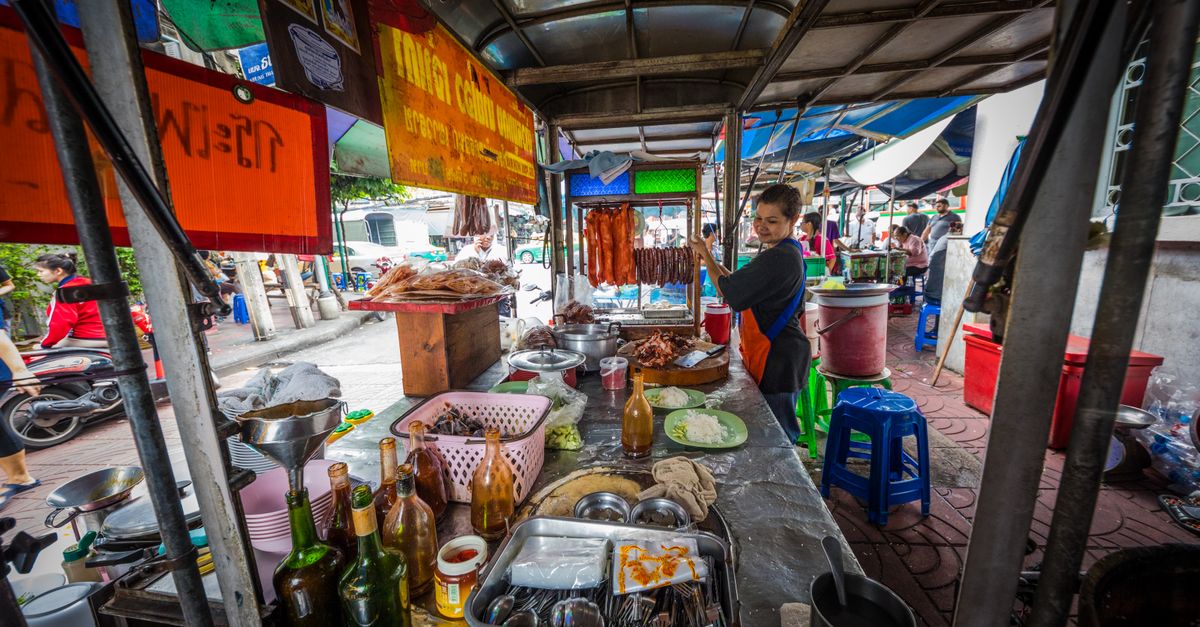 This photo was taken by Tony Wu on Pexels.
Beyond the Basket: Modern Twists on Traditional Cantonese Cuisine
While the steam-filled bamboo baskets of Hong Kong's dim sum halls remain the heart of our culinary identity, a vibrant wave of innovation is redefining Cantonese gastronomy for the modern palate. Chefs across the city are masterfully deconstructing classic dishes like char siu and har gow, infusing them with avant-garde techniques and unexpected ingredients that honor tradition while embracing global influences. Imagine silky shrimp dumplings encased in translucent rice paper dusted with truffle oil, or succulent roast duck served with a molecular gastronomy foam that captures the essence of five-spice powder. These contemporary interpretations do not discard the soul of the cuisine; rather, they elevate it, offering seasoned locals and adventurous tourists alike a fresh perspective on flavors that have defined Hong Kong for centuries.
This evolution extends beyond the plate to the very atmosphere of dining, where heritage meets high-tech minimalism in restaurants that blend historic architecture with sleek, futuristic design. From Michelin-starred establishments experimenting with local wild herbs to trendy fusion spots serving dim sum alongside craft cocktails infused with jasmine tea, the city's food scene has become a dynamic playground for creativity. As you navigate these new culinary landscapes, you will find that the spirit of communal dining remains intact, even as the presentation becomes more artistic and the flavor profiles more complex. This seamless blend of old-world reverence and new-world experimentation ensures that Hong Kong remains a top-tier destination for foodies seeking both comfort and discovery in every bite.
 This photo was taken by leopoldo zenteno on Pexels.