Foodie Heaven: A Deep Dive into Dim Sum Culture in Hong Kong
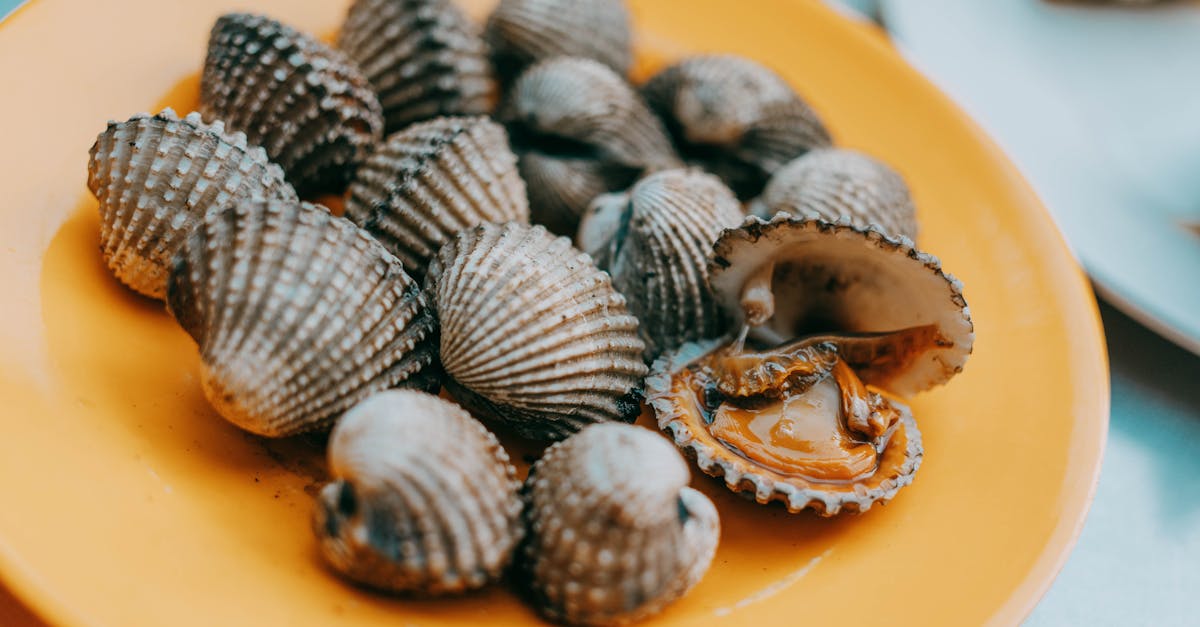 This photo was taken by FOX ^.ᆽ.^= ∫ on Pexels.
Welcome to the heart of Hong Kong, where breakfast is not just a meal but a vibrant social ritual that has captivated locals and visitors for generations. As your local guide, I invite you to leave the hustle of Central behind and step into the steam-filled, bustling atmosphere of our iconic dim sum houses. In this deep dive, we will explore the art of the morning cart as it winds through traditional teahouses, uncovering the secrets behind every perfectly pleated dumpling and savory bite. From the timeless classics like har gow and siu mai to the luxurious roasted duck and innovative creations by our new wave of chefs, prepare your palate for a culinary journey that honors tradition while embracing modernity. Let's raise those little porcelain cups and discover why Hong Kong truly remains the undisputed foodie heaven of Asia.
The Art of the Morning Cart: Navigating Traditional Dim Sum Houses
Stepping into a traditional dim sum house in Hong Kong before 10 AM is less about dining and more about witnessing a vibrant, chaotic ritual that defines the city's soul. The air fills with the clatter of porcelain trolley wheels and the rhythmic hum of Cantonese conversation as families gather around round tables, their eyes scanning the endless parade of bamboo steamers filled with har gow, siu mai, and char siu bao. This morning cart culture is an art form in itself, requiring quick reflexes to snatch your favorite delicacies before they vanish, all while navigating the narrow aisles packed with enthusiastic diners. It is a sensory symphony where the steam rising from hot baskets mingles with the aroma of roasted meats, creating an atmosphere that feels both timeless and distinctly alive.
Navigating these bustling establishments requires a keen eye and a willingness to embrace the unspoken rules of the game. Whether you are seated at a classic red-and-white checkered table or a modern interpretation of the old-school vibe, the key is to observe the flow of the carts and communicate your choices with a mix of hand gestures and rapid-fire ordering. Many seasoned locals will tell you that the best dim sum experience lies not just in the food, but in the communal act of sharing plates and passing dishes, fostering a sense of connection that transcends language barriers. As you dip your dumplings in soy sauce and sip on fragrant jasmine tea, you realize that this morning tradition is far more than a meal; it is the heartbeat of Hong Kong's culinary heritage, inviting visitors to slow down and savor every bite of this gastronomic masterpiece.
 This photo was taken by Altaf Shah on Pexels.
Beyond the Basics: Must-Try Delicacies from Steamed Buns to Roasted Duck
While the bustling dim sum carts are the heart of the dining experience, venturing beyond the staple har gow and siu mai reveals a treasure trove of textures that define Hong Kong's culinary soul. You must try the silky, steamed pork buns (char siu bao), where the fluffy white dough encases a melt-in-your-mouth filling of sweet barbecued pork, offering a comforting contrast to the savory richness of other dishes. Equally essential is the crispy-skinned roast duck, a masterpiece of Cantonese roasting techniques; served with thin pancakes, hoisin sauce, and fresh cucumber, it delivers a symphony of flavors where the skin shatters like glass while the meat beneath remains tender and aromatic, showcasing the region's mastery over fire and time.
For those seeking a more intimate taste of local tradition, do not overlook the humble yet exquisite siu mai dumplings topped with a vibrant orange shrimp roe, or the delicate egg tarts with their flaky pastry shells and creamy custard centers that have become an iconic symbol of Hong Kong's unique fusion history. These delicacies are best enjoyed in the hallowed halls of century-old restaurants tucked away in older neighborhoods, where the clatter of porcelain and the steam rising from bamboo baskets create an atmosphere that feels both timeless and vibrantly alive. By sampling these specific items, you move past the tourist checklist to truly understand the depth and diversity of a food culture that has been perfected over generations, turning every meal into a journey through history and flavor.
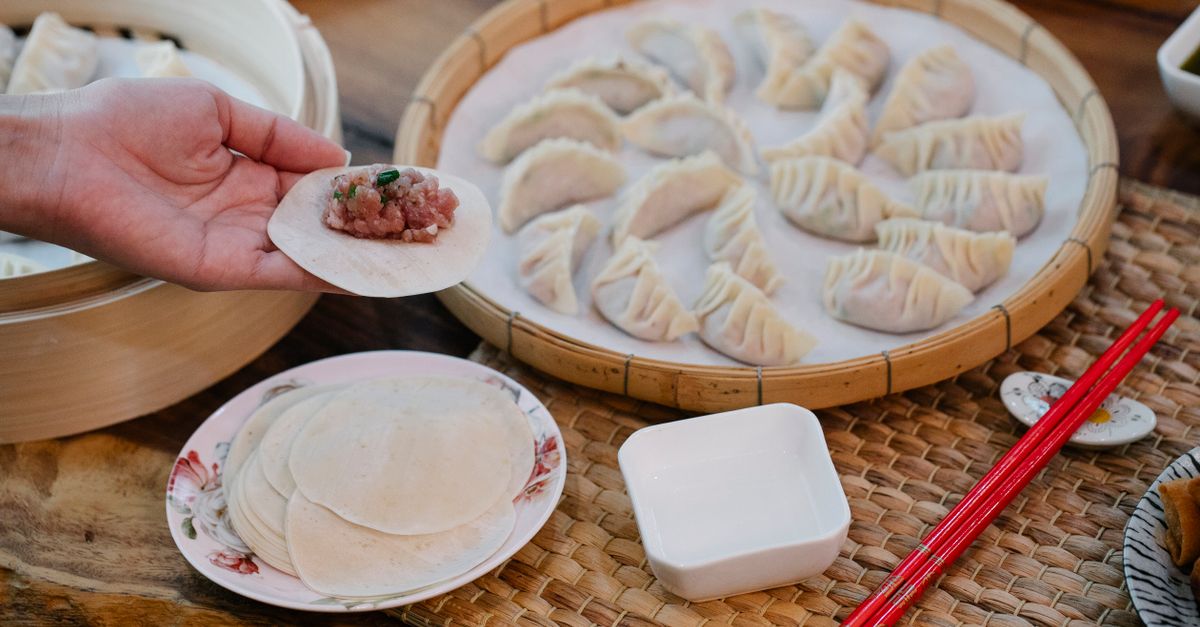 This photo was taken by Angela Roma on Pexels.
Modern Twists: How Hong Kong's New Wave Chefs are Reinventing Dim Sum
Gone are the days when dim sum was confined to traditional steamer baskets and predictable fillings; a new generation of Hong Kong chefs is boldly reimagining this culinary staple with avant-garde techniques and unexpected flavor profiles. From molecular gastronomy-inspired pearls that burst with exotic fruit essences to deconstructed siu mai served on edible gold leaf, these innovators are treating the humble breakfast dish as a canvas for high art. Establishments like Tim Ho Wan's newer concepts and hidden gems in Sheung Wan are pushing boundaries by incorporating local ingredients such as wild mountain herbs and sustainable seafood into classic recipes, proving that tradition and modernity can coexist harmoniously on the same plate.
This culinary revolution extends beyond just the food itself, transforming the entire dining experience into an interactive journey that reflects Hong Kong's dynamic identity. Chefs are now collaborating with artists and designers to create immersive environments where the presentation of dishes rivals fine dining standards, often featuring live cooking stations or theatrical plating that engages diners from every angle. As these new wave restaurants gain international acclaim, they are not only attracting food tourists seeking unique Instagram-worthy moments but also preserving the soul of dim sum culture by evolving it to meet contemporary tastes, ensuring that this beloved Cantonese tradition remains vibrant and relevant for future generations.
 This photo was taken by Erik Mclean on Pexels.