Food Safety and Etiquette: A Local's Guide to Eating Out in HK
 This photo was taken by Matheus Bertelli on Pexels.
Navigating Hong Kong's Strict Food Safety Standards
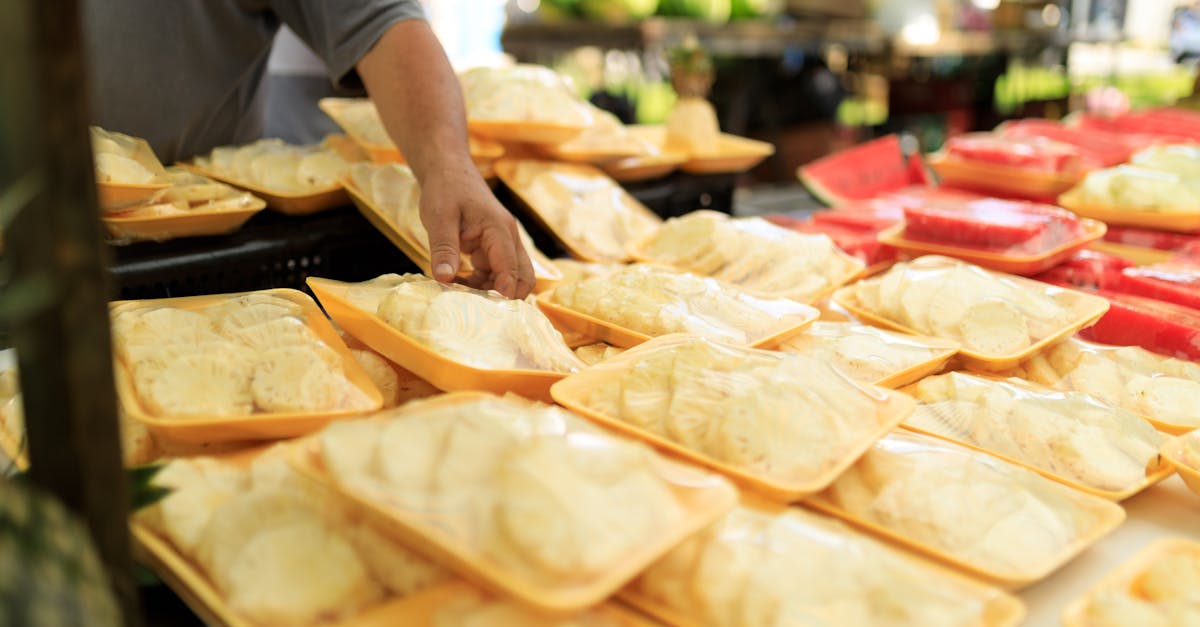
Hong Kong's food safety standards are among the most rigorous in the world, enforced by the Centre for Food Safety (CFS) under the Department of Health. As a tourist, you can dine with confidence knowing that all licensed establishments must display their rating stickers prominently at the entrance; these green "Good" ratings indicate high hygiene compliance, while red "Unsatisfactory" ratings signal serious issues to avoid. The government employs a proactive inspection regime where unannounced visits are common, and strict penalties apply for any violations regarding food handling, storage, or temperature control, ensuring that even the busiest street stalls adhere to meticulous sanitation protocols.
While navigating the bustling dining scene from Victoria Peak to the Wan Chai night markets, understanding local etiquette complements these safety measures. Locals appreciate when visitors respect the communal nature of meals, such as using serving spoons for shared dishes rather than personal chopsticks, which aligns with both cultural norms and hygiene best practices. Additionally, tipping is not customary here, and it is considered polite to finish your meal completely if possible, reflecting the deep-rooted value placed on respecting the food and the hard work of the kitchen staff who maintain these high standards daily.
 This photo was taken by Andre Moura on Pexels.
Mastering the Art of Cantonese Dining Etiquette
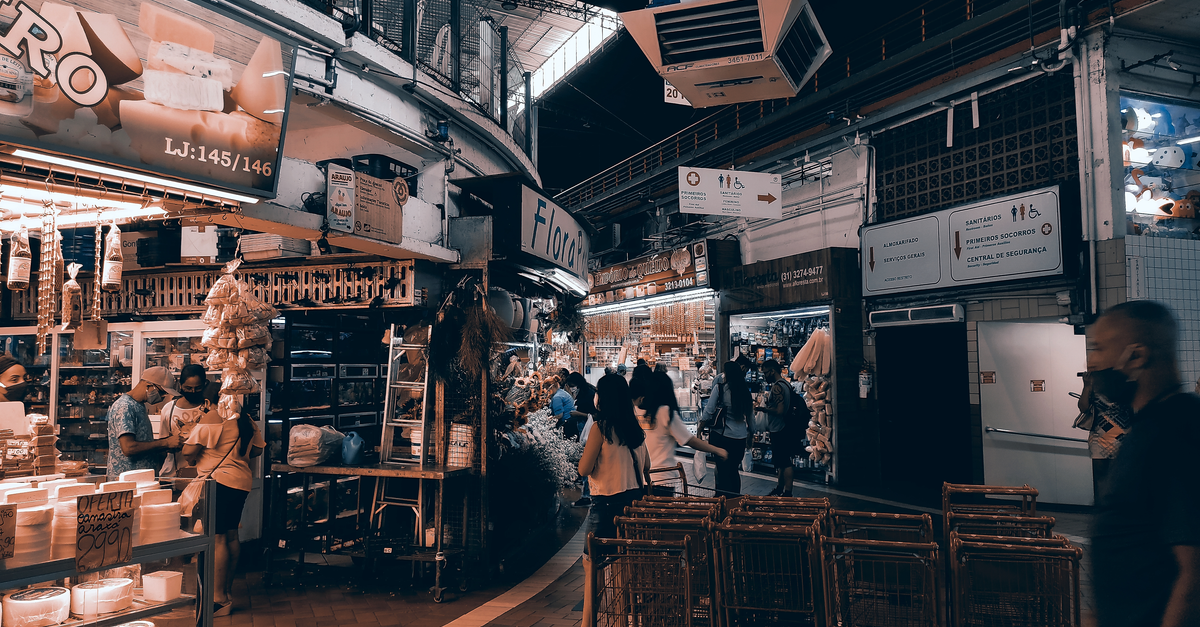
Navigating the bustling tea houses and dim sum restaurants of Hong Kong requires more than just a keen appetite; it demands an appreciation for the subtle art of communal dining. When enjoying dim sum, remember that the small porcelain dishes are meant to be shared, so always wait for the server to bring your order or use the serving tongs provided rather than reaching directly with your own chopsticks. A key gesture of respect is to place your used napkin on the side of your plate, never on your lap, and if you are finished eating, neatly align your chopsticks parallel across the top of your bowl or dish—a silent signal to the staff that you are done without needing to call out. Furthermore, never stick your chopsticks vertically into a bowl of rice, as this resembles incense sticks offered to ancestors and is considered highly inappropriate in a dining setting.
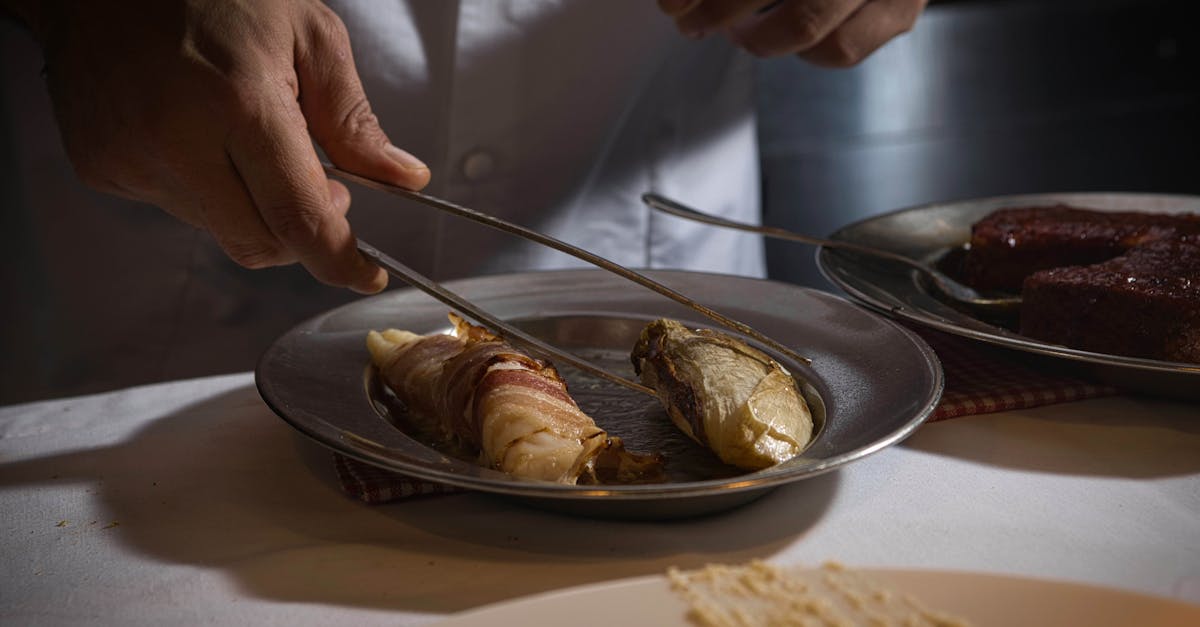
Beyond table manners, understanding the flow of service enhances your experience in Hong Kong's vibrant food scene, where efficiency often blends seamlessly with hospitality. In most local eateries, especially those famous for their Cantonese cuisine, tipping is not customary and can sometimes even be refused by polite staff who view excellent service as standard practice. Instead, show your gratitude by engaging warmly with the servers, perhaps complimenting the chef's signature dishes, which is often the highest form of praise they can receive. When ordering, do not hesitate to ask for clarification on ingredients or preparation methods, as Cantonese chefs take great pride in their craft and will happily explain the nuances of fresh seafood or delicate soups, ensuring your meal is both safe and memorable.
 This photo was taken by Alexandr Zhukovskyi on Pexels.
A Local's Guide to Ordering, Tipping, and Bill Sharing
 This photo was taken by Kampus Production on Pexels.