Day Trips from Hong Kong: Shenzhen and Macau Explained
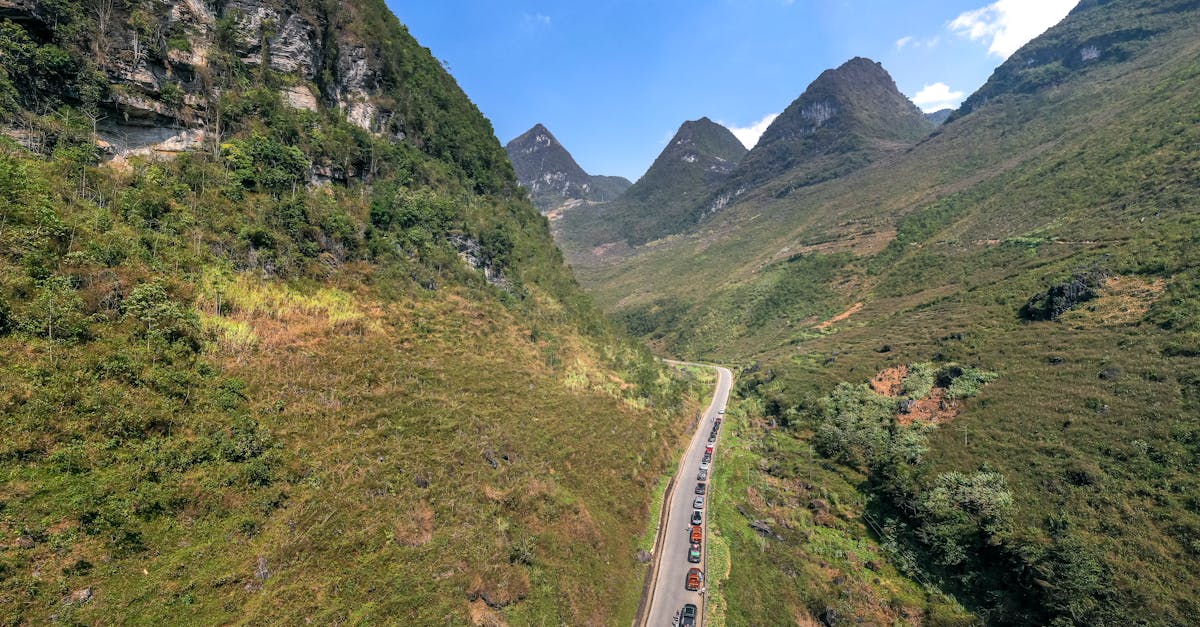 This photo was taken by Quang Nguyen Vinh on Pexels.
Welcome, fellow explorers! While Hong Kong's skyline and bustling streets offer endless wonders, our city also serves as the perfect launchpad for unforgettable day trips across the border. In this guide, we'll take you on a journey to two of the most fascinating neighbors: Shenzhen and Macau. From the cutting-edge tech hubs and mouth-watering street food of Shenzhen to the colonial architecture and vibrant casinos of Macau, discover how easily you can experience two distinct cultures in a single day. Whether you are a tech enthusiast, a history buff, or simply looking for a quick getaway, read on as we break down everything you need to know about crossing borders, navigating transport, and making the most of your adventure.
Crossing the Border to Shenzhen: A Culinary and Tech Adventure
Just a short train ride away across the Lok Ma Chau or Huanggang checkpoints lies Shenzhen, a city that has transformed from a humble fishing village into a global tech powerhouse while retaining its deep-rooted culinary soul. For food enthusiasts, this border crossing offers an immediate sensory shift; you can indulge in authentic Cantonese dim sum at historic eateries near the station before diving into the futuristic flavors of the city's innovative fusion restaurants. Whether you are hunting for the best milk tea stalls in Huaqiangbei or sampling fresh seafood in Nanshan, the culinary landscape here is as dynamic as the skyline itself, offering a perfect blend of traditional southern Chinese tastes and modern gastronomic experimentation.
Beyond the plates, Shenzhen serves as a thrilling playground for tech-savvy travelers eager to witness the future of innovation firsthand. A day trip here allows you to explore the bustling Huaqiangbei Electronics Market, often called the "Silicon Valley of Hardware," where you can find everything from the latest gadgets to DIY components, or visit high-tech museums like the Shenzhen Museum of Contemporary Art and Technology. The city's seamless integration of smart infrastructure, from cashless payments to advanced public transit systems, provides a unique glimpse into how technology shapes daily life, making it an exhilarating contrast to Hong Kong's more established urban environment and an essential stop for anyone interested in the cutting edge of Asian development.
 This photo was taken by Matej on Pexels.
Step Back in Time in Macau: Where East Meets West
Just a short ferry ride from the bustling ports of Hong Kong lies Macau, a city where the vibrant pulse of Chinese tradition beats in perfect harmony with the elegant echoes of Portuguese colonial history. Wander through the cobblestone streets of the Historic Centre, a UNESCO World Heritage site, and you will find yourself surrounded by pastel-colored buildings, ornate baroque churches like the Ruins of St. Paul's, and ancient temples that have stood for centuries. The architecture tells a story of two worlds colliding, creating a unique visual tapestry where traditional Cantonese opera houses sit side-by-side with grand neoclassical facades, inviting visitors to step back into an era when East and West were not just neighbors but integral parts of one another.
Beyond the visual spectacle, Macau offers a culinary journey that perfectly encapsulates this cultural fusion, known as Macanese cuisine. This gastronomic heritage is a delicious blend of Portuguese ingredients and techniques adapted with local Chinese flavors, resulting in iconic dishes like African Chicken and Minchi that are unlike anything found elsewhere. Whether you are sipping on a creamy egg tart at a century-old bakery or exploring the narrow alleyways filled with incense and street food stalls, the atmosphere is timeless yet alive. A day trip here allows you to experience a distinct rhythm of life, far removed from Hong Kong's skyscrapers, offering a serene yet fascinating glimpse into a rich, multicultural past that continues to shape the city's identity today.
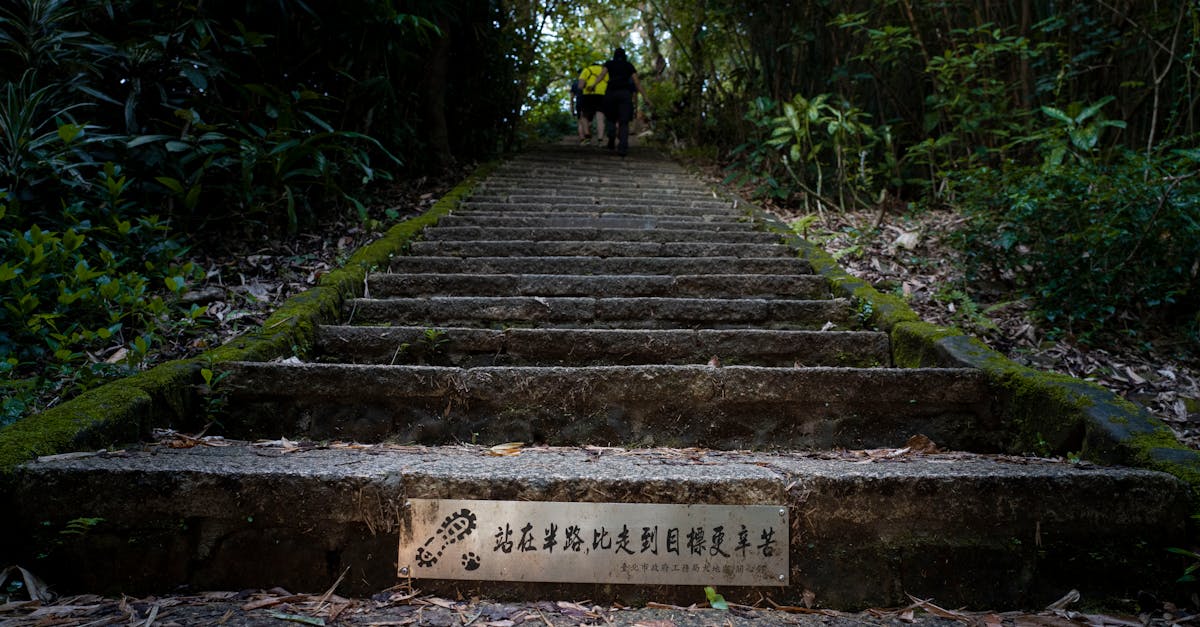 This photo was taken by Jimmy Liao on Pexels.
Logistics and Tips: Navigating Transport Between Hong Kong, Shenzhen, and Macau
Seamlessly connecting Hong Kong with its neighbors requires a bit of strategic planning, as each border crossing offers a distinct experience. For Shenzhen, the Lo Wu and Lok Ma Chau stations are your primary gateways via the MTR, where you can hop on the East Rail Line or take the green bus to Futian Checkpoint for a quick metro ride into the city's heart; simply ensure you have an appropriate travel permit like the One-Way Permit or e-Visitor Pass ready before you depart. Alternatively, the cross-harbor ferries from Hung Hom or Tsim Sha Tsui provide a scenic route to Macau, docking directly at the Outer Harbour Ferry Terminal or Taipa, while the Golden Dragon Coach services offer a comfortable door-to-door journey from various Hong Kong hotels straight to the Cotai Strip or Macau Peninsula, often bypassing the longer queues at land borders.
To maximize your day trips, timing is everything: aim to arrive at the border checkpoints before 8:00 AM or after 2:00 PM on weekdays to avoid the peak commuter crowds that can turn a 15-minute walk into an hour-long ordeal. Always carry some cash in both HKD and RMB, as while credit cards are widely accepted in malls and hotels, smaller vendors and local transport in Shenzhen may still prefer digital payments like WeChat Pay or Alipay linked to Chinese bank accounts, which can be tricky for short-term visitors without prior setup. Finally, keep a charged power bank and a portable Wi-Fi device handy, as navigating unfamiliar transit apps and translation tools will make your journey between these three dynamic cities significantly smoother and more enjoyable.
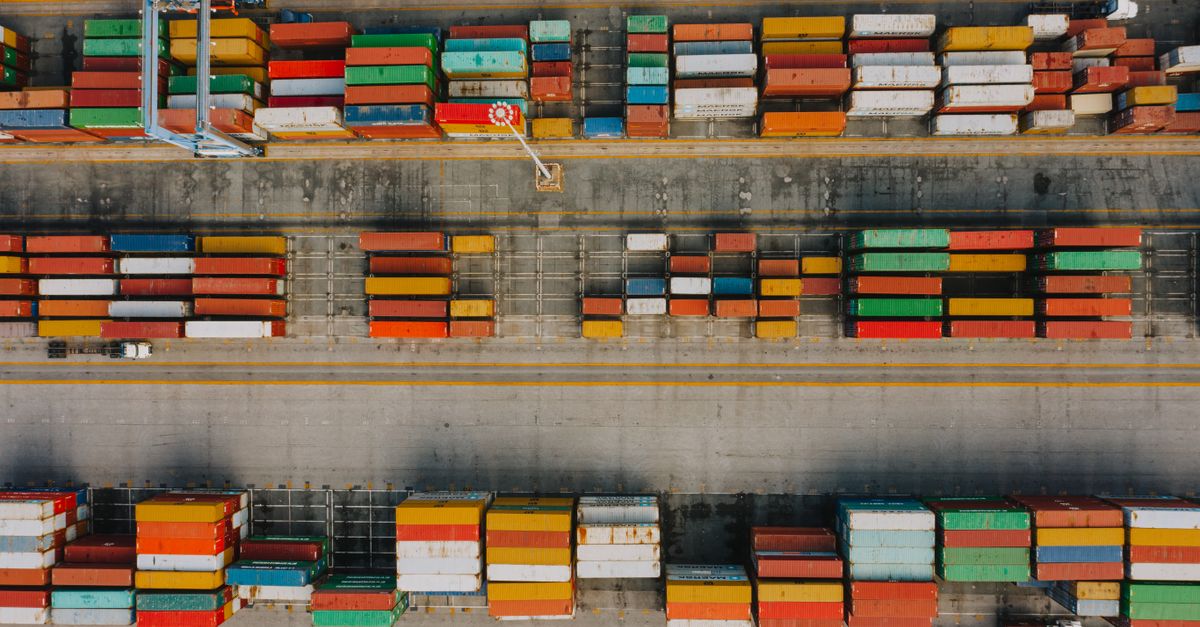 This photo was taken by K on Pexels.