Cultural Immersion: Exploring Wong Tai Sin Temple and Man Mo Temple
 This photo was taken by Erik Mclean on Pexels.
Welcome to the beating heart of Hong Kong's spiritual landscape, where ancient traditions breathe life into our modern skyline. As your local guide, I invite you to step away from the neon glow of Causeway Bay and dive deep into the fragrant smoke and hushed whispers that define our city's soul. In this post, we embark on a journey through two of Hong Kong's most revered sanctuaries: Wong Tai Sin Temple in the bustling north and the historic Man Mo Temple nestled in Sheung Wan. From the rhythmic clapping of prayer boards and the thick clouds of incense at Wong Tai Sin to the intricate wood carvings honoring the deities of literature and war at Man Mo, these sites offer more than just religious observation—they are living museums of culture. Join me as we explore the rituals, architecture, and timeless stories that have woven themselves into the fabric of Hong Kong for centuries, revealing a side of the city that goes far beyond skyscrapers and shopping malls.
The Spiritual Heart of Wong Tai Sin: Prayers, Incense, and Community
Stepping into the Wong Tai Sin Temple, visitors are immediately enveloped in a vibrant atmosphere where the air is thick with the sweet, pungent scent of burning sandalwood and the rhythmic clatter of fortune sticks. As one of Hong Kong's most revered sites for Taoist worship, this temple serves as a bustling spiritual hub where locals and tourists alike gather to seek guidance, health, and prosperity from the benevolent deity. The experience is deeply sensory; thousands of incense coils curl lazily toward the ceiling, creating a mystical haze that contrasts beautifully with the temple's intricate red pillars and golden statues, while the continuous hum of prayers creates a collective energy that transcends language barriers.
Beyond the individual act of devotion, the temple grounds pulse with the rhythm of community life, transforming religious practice into a shared social experience. It is not uncommon to see families holding hands in prayer, elderly residents sharing stories over cups of tea near the entrance, or groups of friends consulting fortune slips together with laughter and anticipation. This communal aspect highlights how faith in Hong Kong is woven into the daily fabric of society, offering a sanctuary where modern urban stress dissolves into a sense of unity and shared hope. Whether you are here to participate in the rituals or simply observe the harmonious blend of tradition and contemporary city life, the spiritual heart of Wong Tai Sin offers a profound glimpse into the soul of Hong Kong.
 This photo was taken by Alexander Taranenko on Pexels.
Man Mo Temple: Where Deities of Literature and War Meet in Sheung Wan
Nestled in the heart of Sheung Wan, Man Mo Temple stands as a timeless sanctuary where the ethereal smoke of incense curls through narrow alleyways, creating an atmosphere steeped in centuries of tradition. Dedicated to the gods of literature and war, this historic site offers a profound glimpse into Hong Kong's spiritual heritage, attracting students seeking academic success and locals praying for protection. The intricate wooden carvings, vibrant dragon pillars, and the rhythmic chanting of worshippers create a sensory experience that feels worlds away from the bustling skyscrapers nearby, inviting visitors to pause and reflect on the enduring cultural values that have shaped the city.Beyond its architectural beauty, the temple serves as a living bridge between ancient mythology and modern life, where the deity Wen Chang, patron of scholars, sits alongside Guan Yu, the revered god of war and loyalty. Visitors often leave behind offerings of oranges and incense sticks, hoping for blessings that range from passing difficult exams to ensuring safety in daily endeavors. As you wander through the courtyard, surrounded by the scent of sandalwood and the soft clinking of prayer bells, you gain a deeper appreciation for how Hong Kong seamlessly weaves its rich Taoist roots into the fabric of contemporary urban existence, making it an essential stop for any traveler seeking authentic cultural immersion.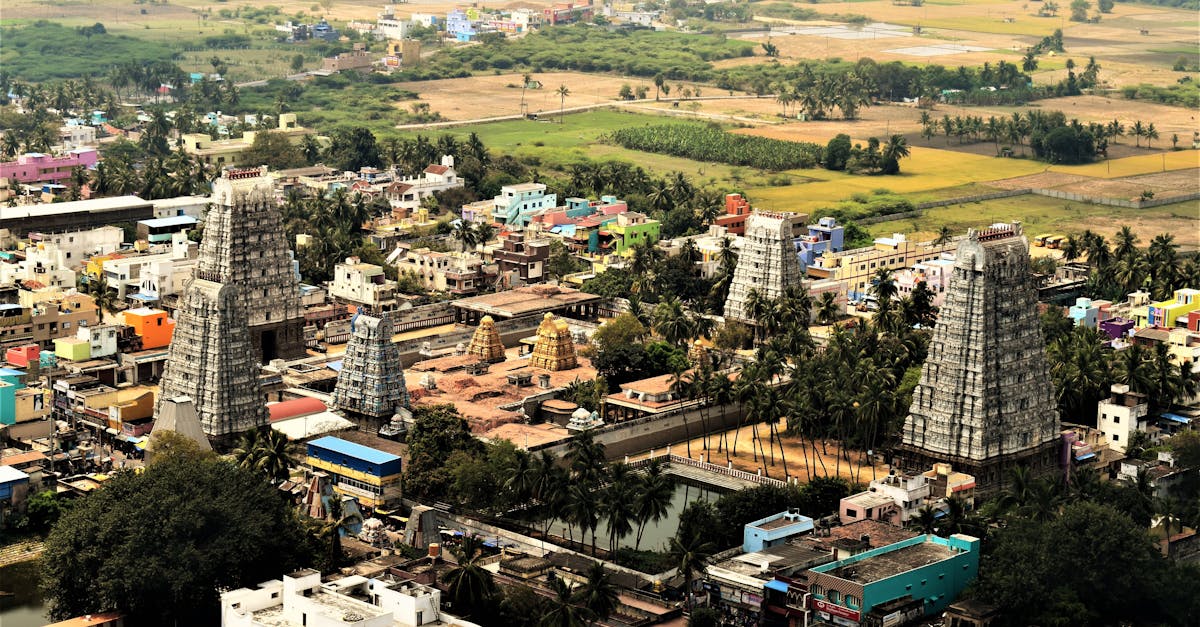 This photo was taken by Kamakshi on Pexels.
A Journey Through Hong Kong's Living Heritage: Rituals, Architecture, and Stories
Stepping into the bustling heart of Wong Tai Sin Temple, you are immediately enveloped in a vibrant tapestry of living heritage where ancient Taoist traditions thrive amidst modern skyscrapers. The air is thick with the intoxicating scent of burning incense as worshippers perform the traditional ritual of bowing three times and shaking the fortune sticks to seek guidance from the deity of benevolence. This dynamic space is not merely a place of worship but a community hub where the rhythmic clapping of drums during festivals and the colorful dragon dances weave together generations of stories, offering visitors a profound glimpse into the spiritual resilience that defines Hong Kong's cultural soul.
In stark yet harmonious contrast, the Man Mo Temple in Sheung Wan stands as a serene sanctuary dedicated to the gods of literature and war, showcasing exquisite architectural details like intricate wooden carvings and towering phoenix pillars that whisper tales of scholarly triumphs and historical battles. Here, the journey through time continues as you wander through narrow courtyards filled with fragrant sandalwood smoke, observing locals paying homage to ancestors and students praying for academic success, preserving rituals that have remained unchanged for centuries. Together, these temples form a narrative bridge connecting Hong Kong's imperial past with its cosmopolitan present, inviting every traveler to immerse themselves in a rich legacy of faith, art, and enduring human spirit.
 This photo was taken by Caique Araujo on Pexels.