Culinary Journey: Tasting the Best Dim Sum in Hong Kong
 This photo was taken by Hendy Wicaksono on Pexels.
Welcome to the heart of Hong Kong, where breakfast is not just a meal but a vibrant cultural celebration. In our culinary journey titled "Tasting the Best Dim Sum in Hong Kong," we invite you to step into the bustling teahouses and hidden alleyways that define this city's legendary food scene. From the steamy carts rolling through crowded halls during the morning ritual to the innovative reinterpretations of classic dishes by modern chefs, there is a story behind every bite. Whether you are a seasoned foodie or a curious traveler, our local guide will help you navigate the peak dining hours and discover the authentic flavors that make dim sum an unforgettable experience. Get ready to savor the art of yum cha as we explore the true soul of Cantonese cuisine.
The Morning Ritual: Where to Find the Most Authentic Cantonese Dim Sum
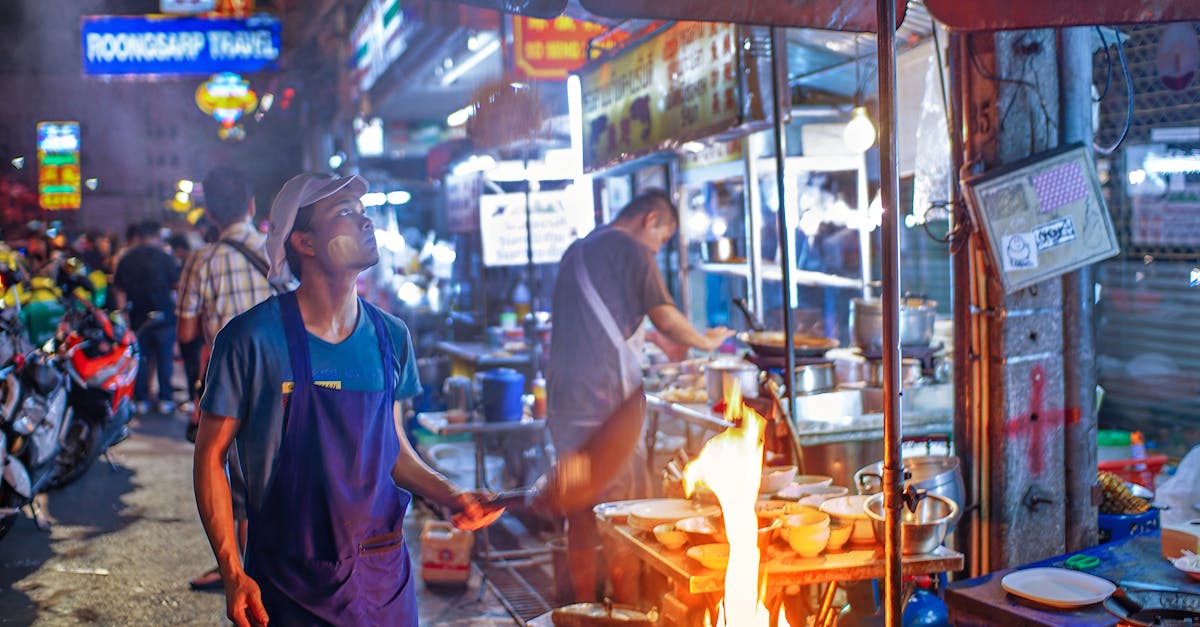
Start your day with the quintessential Cantonese ritual of yum cha, a tradition that goes far beyond mere breakfast to become a vibrant social experience. For an authentic taste, head to the bustling streets of Sham Shui Po or the historic lanes of Sheung Wan, where time-honored institutions like Tai Pan Restaurant or the legendary Dim Sum 168 still operate with the same steam-filled fervor as decades ago. Here, you will witness carts laden with delicate porcelain bowls being pushed through crowded aisles, each stop offering a chance to savor hand-folded siu mai, glistening har gow, and flaky egg tarts while engaging in lively banter with locals who treat this meal as their daily gathering point.
To truly immerse yourself in this culinary heritage, timing is everything; arrive early before the queues form to secure a seat at a communal table where the clatter of chopsticks and the hiss of bamboo steamers create a symphony of morning life. The key to an exceptional dim sum journey lies in selecting dishes that showcase the chef's mastery of texture and balance, such as the melt-in-your-mouth char siu bao or the savory congee topped with preserved vegetables and century eggs. As you sip on aromatic pu-erh tea to cleanse your palate between bites, you will quickly understand why this morning ritual remains the beating heart of Hong Kong's food culture, offering a warm, flavorful introduction to the city's rich heritage.
 This photo was taken by Abir Hasan on Pexels.
Beyond Steamed Dumplings: Hidden Gems and Modern Twists
While the iconic steamed har gow and siu mai remain staples of any dim sum experience, Hong Kong's culinary scene is rapidly evolving to offer hidden gems that challenge traditional expectations. Venture beyond the bustling, steam-filled halls of heritage restaurants like Tim Ho Wan or Tai Ping Koon, and you will discover intimate teahouses in Sheung Wan where chefs are reimagining classics with a modern twist. Here, you might encounter delicate xiao long bao filled with truffle-infused broth or pan-fried dumplings stuffed with wagyu beef and black garlic, all served in minimalist spaces that blend industrial chic with traditional Cantonese aesthetics. These establishments prioritize seasonal ingredients and innovative flavor profiles, proving that the art of yum cha is far from static.
For the adventurous foodie, the city also boasts a vibrant underground movement of fusion dim sum spots that seamlessly integrate global influences into local favorites. Imagine tasting a creamy lobster custard tart alongside a savory pork bun topped with crispy bacon bits, or sipping on artisanal matcha tea instead of the usual pu-erh while sampling deconstructed egg tarts with sea salt caramel. These modern interpretations do not disrespect tradition but rather celebrate it by pushing boundaries, offering a dynamic dining narrative that mirrors Hong Kong's own identity as a meeting point of East and West. Whether you are exploring a trendy pop-up in Central or a tucked-away alleyway in Mong Kok, these contemporary twists ensure that your culinary journey remains fresh, exciting, and unforgettable.
 This photo was taken by Erik Mclean on Pexels.
Navigating the Rush: A Local's Guide to Peak Dining Hours
Dim Sum Delays: Embracing the Rush
For those seeking the quintessential Hong Kong dim sum experience, timing is everything; arriving between 10:30 AM and 1:30 PM on weekends means braving a sea of locals eager for steaming baskets of har gow and siu mai. In bustling tea houses like Tim Ho Wan or the legendary Lung Wo Garden, the air hums with the clatter of porcelain and the rapid-fire dialect of aunties pushing carts through narrow aisles. While this chaotic energy can feel overwhelming to first-time visitors, it is actually the heartbeat of the culture, where efficiency reigns supreme and tables are turned over with impressive speed. Patience is your greatest asset here, as waiting in line often translates to securing a seat at the very best establishments before they reach their capacity.
Strategic Sipping: Avoiding the Peak
To enjoy a more leisurely meal without sacrificing authenticity, savvy locals recommend shifting your dining window slightly earlier or later than the traditional rush hours. Many seasoned guides suggest aiming for a 9:00 AM arrival, allowing you to claim a table before the crowds descend, or alternatively, visiting after 2:00 PM when the morning frenzy has subsided but the kitchens are still firing away with fresh batches. This strategic approach not only ensures a comfortable seating arrangement but also grants you the time to savor the delicate flavors of each dish and engage in meaningful conversation with fellow diners. Remember, while the peak hours offer an electric atmosphere, a slightly off-peak visit provides the perfect balance of culinary excellence and relaxed enjoyment.
 This photo was taken by Brett Jordan on Pexels.