Culinary Journey: Must-Try Dim Sum Restaurants in Hong Kong
 This photo was taken by Artem Yellow on Pexels.
Welcome to the vibrant culinary capital of Asia, where the morning ritual of dim sum is more than just a meal—it is a social experience steeped in history and flavor. From the bustling steam-filled halls of century-old teahouses to the avant-garde creations served in trendy districts, Hong Kong offers an unparalleled gastronomic adventure for every palate. In this guide, we will take you on a journey through the city's most essential dining spots, exploring traditional venues that preserve authentic culture, innovative restaurants pushing culinary boundaries, and hidden local gems waiting to be discovered off the beaten path. Get your chopsticks ready as we dive into the heart of Hong Kong's legendary yum cha scene.
Traditional Teahouses: The Heart of Dim Sum Culture
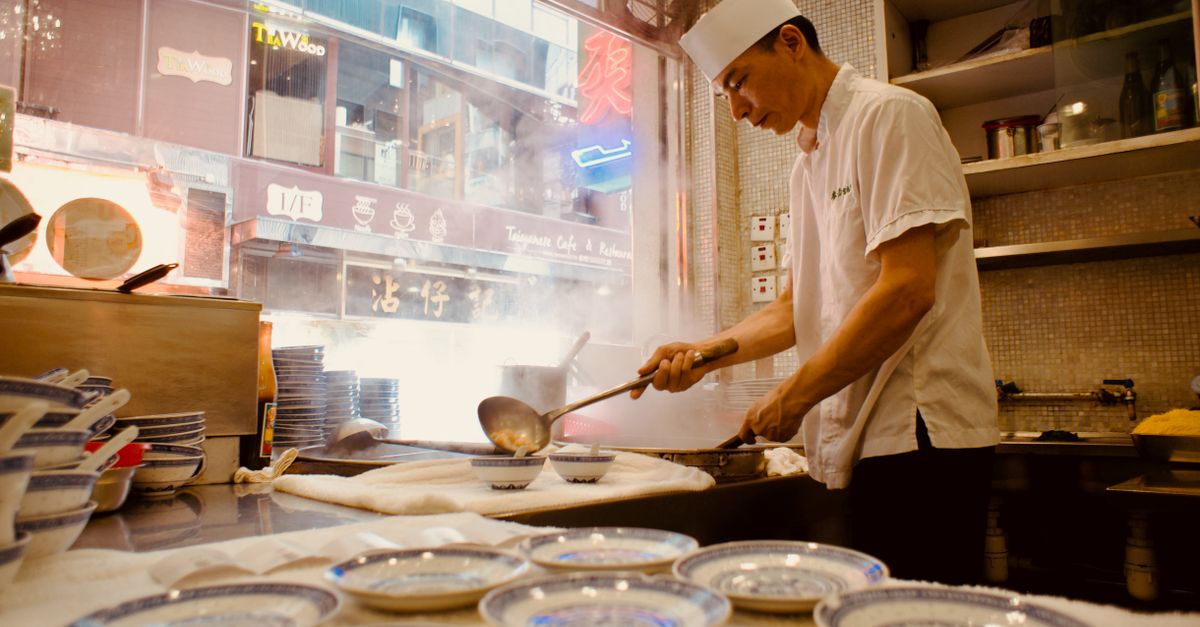
Stepping into a traditional Hong Kong teahouse is akin to entering a living museum where the art of dim sum has been perfected over generations. These bustling establishments, often characterized by their clattering bamboo carts and the rhythmic sound of porcelain cups, serve as the social heartbeat of the city's culinary scene. Unlike modern fusion restaurants, these historic venues prioritize authenticity, offering classic delicacies like har gow (shrimp dumplings), siu mai, and char siu bao that have remained largely unchanged for decades. The atmosphere is electric yet intimate, filled with the aroma of steaming rice and the lively chatter of locals gathering for morning or afternoon tea, making it an essential experience for any visitor seeking to understand the true soul of Cantonese dining.
The ritual of dim sum in these traditional settings goes far beyond mere sustenance; it is a cultural performance that emphasizes community and connection. Patrons are invited to partake in the "yum cha" tradition, sipping fragrant pots of Tie Guan Yin or Pu'er tea while sharing dishes family-style from passing carts or ordering directly from a menu steeped in history. Whether you are watching a skilled chef fold intricate pleats on xiao long bao or simply enjoying the chaos of a crowded room, the experience offers a unique window into Hong Kong's heritage. For tourists, navigating these iconic teahouses provides not just a delicious meal, but a profound insight into the daily rhythms and enduring traditions that define life in this vibrant metropolis.
 This photo was taken by betül nur akyürek on Pexels.
Modern Twists: Innovative Dim Sum in Trendy Districts
In the vibrant heart of West Kowloon and the hipster hubs of Sheung Wan, dim sum has undergone a stylish renaissance that transcends tradition. Imagine delicate har gow served on sleek slate plates or the iconic siu mai reinvented with truffle oil and gold leaf, all presented in industrial-chic spaces filled with exposed brick and ambient lighting. These trendy districts have become breeding grounds for culinary innovators who respect the heritage of Cantonese cuisine while fearlessly experimenting with fusion flavors, such as matcha-infused egg tarts or lobster-filled bao buns, offering a dining experience that feels as much like an art installation as it does a meal.
Embracing this modern twist means more than just visual appeal; it involves a complete reimagining of the service model to suit the fast-paced lifestyle of today's urban explorer. Many of these avant-garde restaurants now offer à la carte ordering via QR codes, eliminating the chaotic tea cart rush and allowing guests to savor each bite at their own leisure. Whether you are enjoying a curated tasting menu featuring molecular gastronomy techniques or simply sampling creative interpretations of classic favorites in a bustling, Instagram-worthy setting, these establishments prove that Hong Kong's dim sum culture is not stuck in the past but is dynamically evolving to captivate a new generation of food lovers.
 This photo was taken by K on Pexels.
Hidden Gems: Local Favorites Away from the Tourist Trail
While the famous dim sum halls of Hong Kong often draw long queues of tourists, the city's true culinary soul lies tucked away in unassuming alleyways and neighborhood corners where locals gather. Venture beyond the bustling streets of Central to discover spots like a small, family-run eatery in Sham Shui Po serving delicate siu mai with a secret shrimp filling, or a no-frills stall in Kowloon City known for its perfectly steamed har gow that melts in your mouth. These hidden gems rarely feature on guidebooks, yet they offer an authentic taste of Hong Kong's heritage, where the chatter is in Cantonese, the tea pots are constantly refilled, and the atmosphere feels more like visiting a friend's home than dining in a restaurant.
Exploring these local favorites requires a bit of detective work, but the reward is a genuine connection to the community and flavors that have been perfected over generations without the pressure of mass tourism. Many of these establishments operate on a first-come, first-served basis, often opening early before the sun fully rises, inviting you to join the morning rush of office workers and retirees sharing their daily news over plates of char siu bao and egg tarts. By stepping off the beaten path, you not only avoid the crowds but also support small businesses that keep the traditional spirit of Hong Kong's dim sum culture alive, ensuring your culinary journey remains a memorable discovery rather than just another stop on a checklist.
 This photo was taken by Tomasz on Pexels.