Beyond the Skyscrapers: Exploring Old Kowloon Alleys
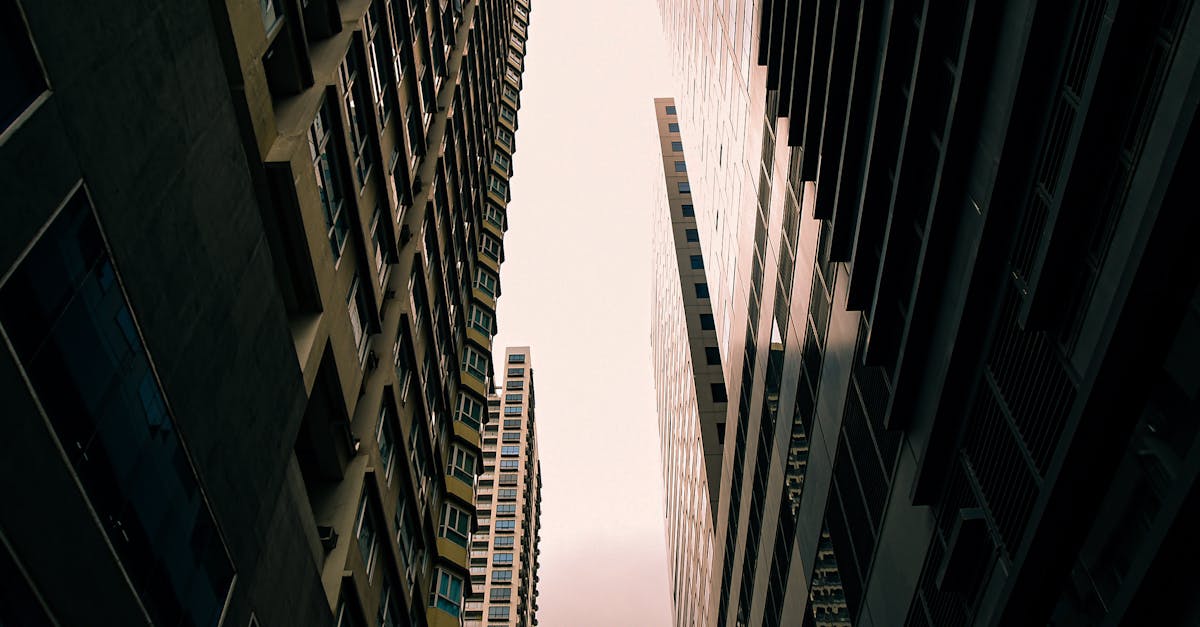 This photo was taken by Colline Pagtakhan on Pexels.
Welcome to the soul of Hong Kong, where the glittering skyscrapers give way to a labyrinth of narrow lanes steeped in centuries of history. While the city is famous for its modern skyline, the true magic often lies just around the corner in the aging neighborhoods of Kowloon. In this post, we invite you to step away from the neon buzz and wander through the forgotten corners of Old Kowloon. From the quiet sanctuaries hidden behind Temple Street's chaos to the aromatic whispers of traditional teahouses and the vibrant murals breathing new life into Tai Ping Shan, discover how these historic alleys preserve the authentic spirit of yesterday while embracing the creativity of today.
Hidden Gems: The Secret Courtyards of Temple Street
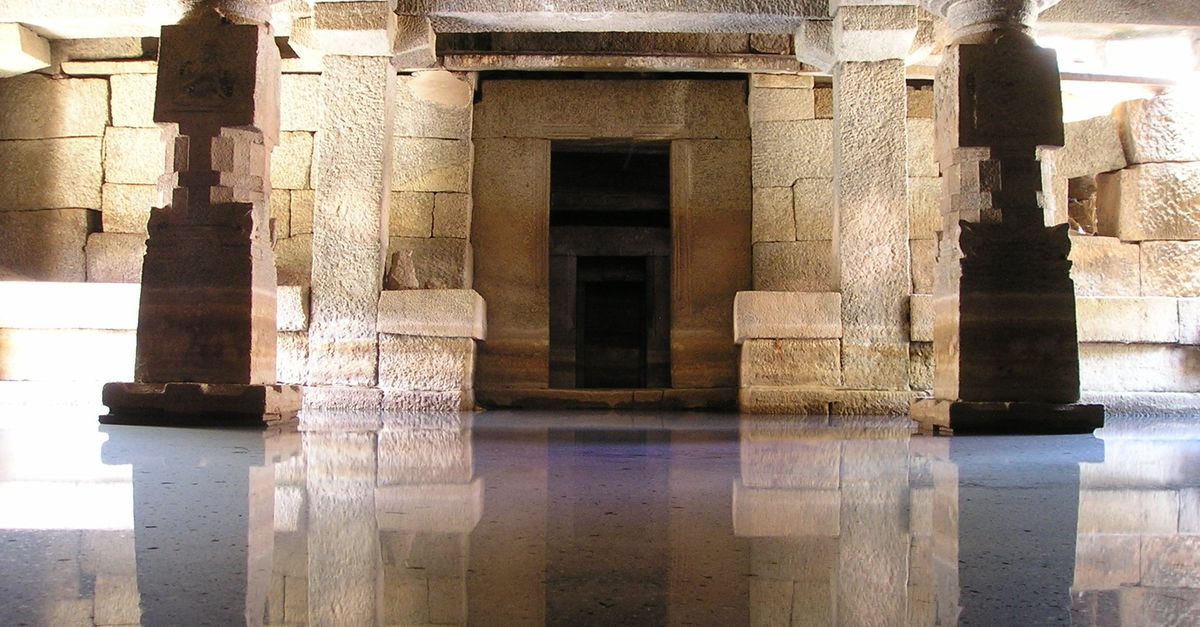
While the neon glow of Temple Street Night Market draws crowds to its bustling stalls, the true soul of this historic enclave lies tucked away in the narrow, shadowed courtyards that branch off the main thoroughfare. These secret spaces, often hidden behind weathered wooden doors or behind towering tenement blocks, offer a serene escape from the cacophony of hawkers and tourists. Here, time seems to slow down as you witness elderly residents playing chess on stone tables, hanging laundry against walls adorned with intricate floral murals, and tending to small potted bonsai trees that thrive in the humid air. It is within these quiet pockets that the authentic rhythm of old Kowloon life continues, untouched by the rapid modernization sweeping across the city.
Exploring these hidden gems requires a keen eye and a willingness to wander off the beaten path, rewarding your curiosity with intimate glimpses into the daily lives of local families who have called these alleys home for generations. You might stumble upon a forgotten shrine dedicated to village deities, where incense smoke curls gently around ancient statues, or discover a tiny tea shop serving traditional herbal brews to neighbors who gather to share stories. Unlike the polished attractions found in central districts, these courtyards are raw and unfiltered, offering a poignant reminder of Hong Kong's rich cultural heritage and the enduring spirit of community that thrives beneath the shadow of the skyscrapers.
 This photo was taken by Pixabay on Pexels.
A Taste of Yesterday: Traditional Teahouses and Dim Sum Stalls
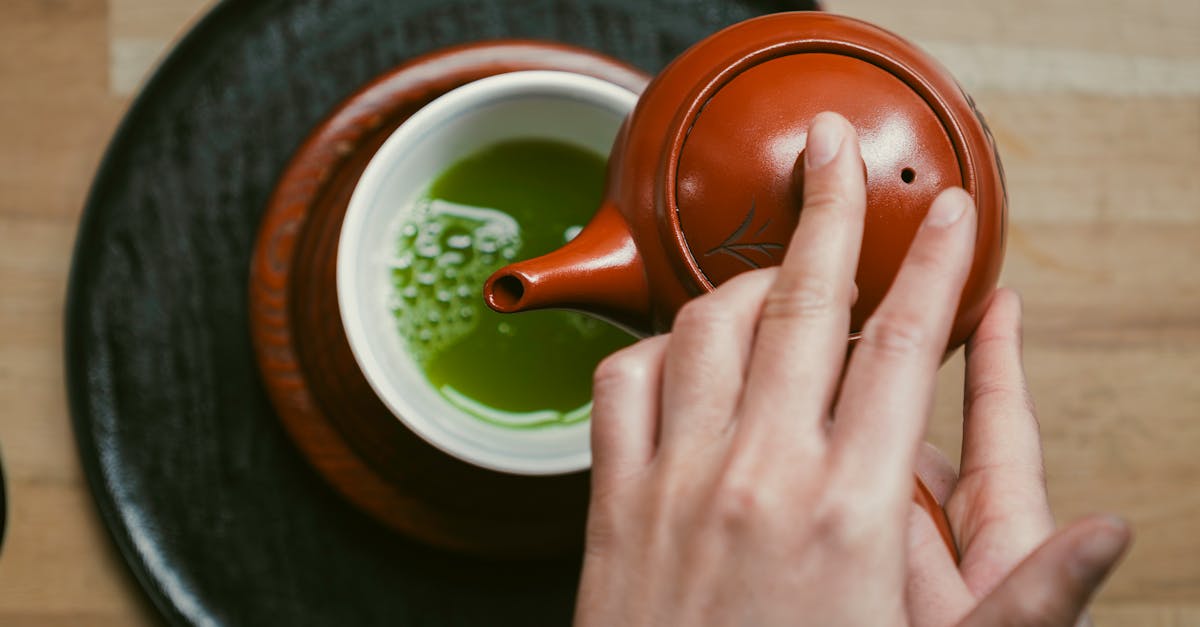
Stepping into the narrow, bustling alleys of Yau Ma Tei or Sham Shui Po feels like pressing a rewind button on time, where the hum of modern traffic fades into the gentle clatter of porcelain and the rich aroma of brewing tea. Traditional teahouses here are living museums of Cantonese culture, their interiors often adorned with red lanterns and wooden furniture that have weathered decades of service. Visitors can sit by open windows, watching locals in casual attire gather to discuss the day's news over cups of Tieguanyin or Pu'er, savoring a slow-paced ritual that stands in stark contrast to the city's frenetic pace just blocks away.
Just as captivating is the culinary journey offered by the humble dim sum stalls tucked between residential buildings, where steam rises from bamboo baskets filled with delicate dumplings, sticky rice rolls, and savory pork buns. These no-frills eateries operate with an efficient rhythm, serving up generations-old recipes at prices that remain surprisingly affordable for tourists seeking an authentic experience. Whether you are slurping a bowl of wonton noodles or sharing a plate of siu mai with strangers seated at communal tables, these spots provide a warm, unpretentious taste of yesterday's Hong Kong, reminding everyone that the soul of this vibrant metropolis lies not in its towering skyscrapers, but in its enduring community spirit.
 This photo was taken by Silvio Pelegrin on Pexels.
Street Art Meets History: The Revival of Tai Ping Shan
Wandering through the narrow, labyrinthine lanes of Tai Ping Shan Street in Sheung Wan offers a striking juxtaposition where the gritty textures of history collide with vibrant contemporary expression. Once the beating heart of Hong Kong's early 20th-century industrial era, this district has been meticulously revitalized to preserve its traditional shophouses and tin-leafed facades while embracing a new wave of artistic energy. As you stroll past restored heritage buildings adorned with intricate murals depicting local folklore and modern abstract designs, you witness a unique cultural dialogue; the faded brickwork tells stories of old factories and bustling markets, while bold street art injects fresh life into corners that were once forgotten, creating an open-air gallery that celebrates both the city's roots and its dynamic future.
Beyond the visual spectacle, this area serves as a living testament to successful urban regeneration, proving that preservation and innovation can coexist harmoniously. The alleyways are now lined with independent boutiques, artisanal coffee roasters, and intimate eateries housed within century-old structures, inviting visitors to slow down and savor the atmosphere rather than rushing toward the glittering skyline. Whether you are tracing the path of a historic tram route or pausing to photograph a giant mural of a dragon weaving through modern skyscrapers, Tai Ping Shan offers an authentic glimpse into Old Kowloon's soul, demonstrating how the city honors its past by boldly reimagining it for a new generation of explorers.
 This photo was taken by Erik Mclean on Pexels.