Best Time to Visit Hong Kong: Weather, Festivals, and Peak Seasons
 This photo was taken by Caique Araujo on Pexels.
Welcome to the Pearl of the Orient! As your local guide, I know that Hong Kong is a city where ancient temples stand beside towering skyscrapers, and the energy never truly sleeps. However, to truly experience its magic, timing is everything. Whether you are chasing the crisp air of winter for shopping or looking to immerse yourself in the vibrant colors of Lunar New Year, understanding the rhythm of our seasons can transform a good trip into an unforgettable adventure. In this post, we will navigate Hong Kong's tropical climate to help you pack perfectly, align your itinerary with our most spectacular cultural festivals like CNY and Mid-Autumn, and reveal the secrets to avoiding peak tourist crowds for a smoother, more authentic sightseeing experience.
Navigating Hong Kong's Tropical Climate: When to Expect Heat, Rain, or Cool Breezes
Understanding Hong Kong's tropical monsoon climate is essential for crafting the perfect itinerary, as the city experiences distinct seasonal shifts that range from sweltering humidity to refreshing breezes. From May through September, visitors should brace themselves for the hot and humid summer months, where temperatures frequently soar above 30°C (86°F) accompanied by intense rainfall and occasional typhoons; this period offers vibrant greenery but requires packing light, breathable clothing and an umbrella at all times. Conversely, the winter season from December to February brings a dramatic change with cooler, drier air and temperatures dipping to a pleasant 15-20°C (59-68°F), making it the ideal time for hiking in the country parks or strolling along the Victoria Harbour promenade without breaking a sweat.
The shoulder seasons of spring (March to April) and autumn (October to November) are widely considered the sweet spots for tourism, offering a delightful balance between mild weather and fewer crowds. During these transitional periods, you can expect warm days perfect for exploring outdoor attractions like Ngong Ping 360 or Stanley Market, while evenings cool down just enough for comfortable dining on rooftop terraces. While rain is less frequent than in summer, sudden showers can still occur in spring, so layering your outfits remains a smart strategy. By timing your visit during these windows, you avoid the peak tourist influx of Chinese New Year and the oppressive heat of mid-summer, ensuring a more relaxed experience of the city's diverse landscapes and cultural festivals.
This photo was taken by Caique Araujo on Pexels.
Cultural Calendar: Aligning Your Trip with Vibrant Festivals Like CNY and Mid-Autumn
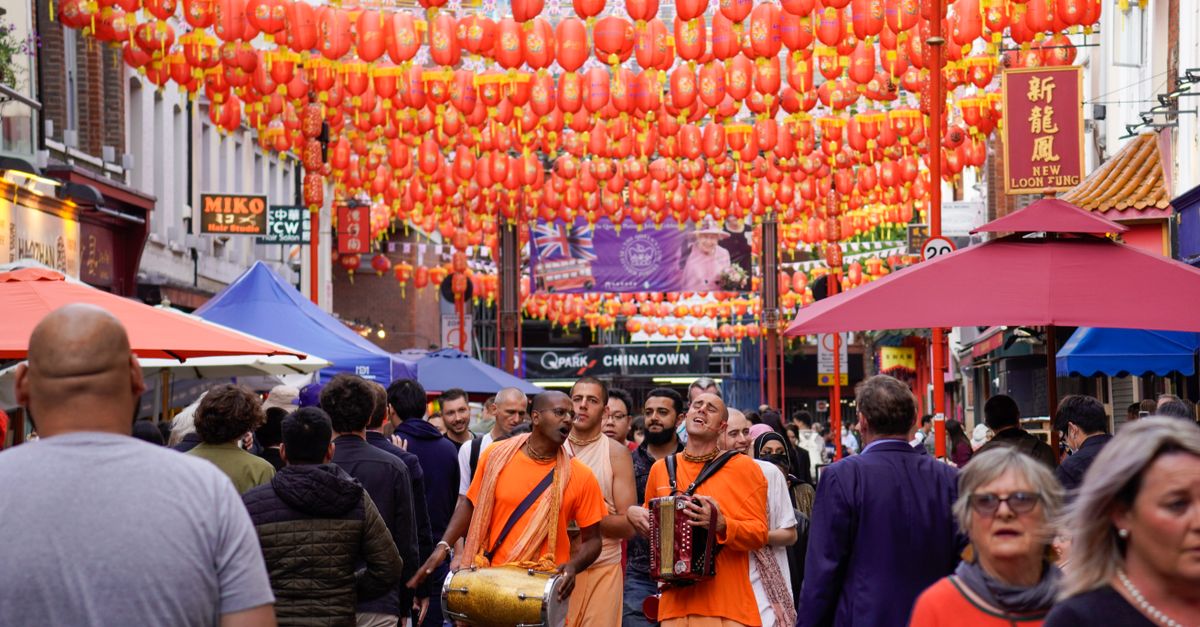
Timing your visit around Hong Kong's most spectacular festivals transforms a standard holiday into an unforgettable cultural immersion, with the Lunar New Year (CNY) standing as the absolute pinnacle of celebration. If you can brave the bustling crowds and slightly higher accommodation rates, arriving in late January or early February allows you to witness the city's vibrant transformation; the streets of Causeway Bay and Tsim Sha Tsui are draped in dazzling red lanterns, while the iconic Lion Dance parades and fireworks displays over Victoria Harbour create an electric atmosphere that defines the spirit of the season. Conversely, the Mid-Autumn Festival in September or October offers a more serene yet equally enchanting experience, where the entire city glows with thousands of colorful lanterns hanging from shop fronts and public parks, culminating in the breathtaking mooncakes and night markets that celebrate family reunion under the full moon.
Aligning your itinerary with these major events not only provides unique photo opportunities but also grants access to exclusive local traditions that rarely occur outside of these specific windows. During CNY, you can participate in the traditional "Lai See" red packet exchanges and enjoy special festive menus at renowned dim sum restaurants, while the Mid-Autumn period invites you to join community lantern-making workshops or attend the spectacular light shows at Tai O fishing village. By planning your trip during these peak festival periods, you gain a deeper appreciation for Hong Kong's rich heritage and its seamless blend of Cantonese customs with modern urban life, ensuring your journey is filled with authentic moments that go far beyond the typical tourist attractions.
 This photo was taken by BabijaPhoto JB on Pexels.
Avoiding the Crowds: Understanding Peak Seasons for Smoother Sightseeing
Avoiding the Crowds: Understanding Peak Seasons for Smoother Sightseeing
To truly immerse yourself in the vibrant energy of Hong Kong without battling throngs of tourists, it is crucial to navigate around its two most congested periods: the Lunar New Year and the summer holiday season. During Lunar New Year, typically falling between late January and mid-February, the city transforms into a bustling hub of family reunions and temple visits, making popular attractions like The Peak or Victoria Harbour incredibly crowded and many shops closed for days. Similarly, July and August bring a surge of local families on school holidays combined with international travelers escaping the heat, resulting in long queues at Disneyland, Ocean Park, and major shopping districts. By planning your itinerary during these windows, you risk spending more time waiting in lines than experiencing the sights, so consider shifting your travel dates to the shoulder seasons instead.
For a more relaxed and authentic experience, aim for the sweet spots of April to May or October to November, when the weather is pleasantly mild and the tourist density drops significantly. These months offer ideal conditions for hiking the trails of Lantau Island, exploring the historic lanes of Tai O, or enjoying a leisurely dim sum brunch without the usual rush. While autumn brings the excitement of Halloween parades and the Mid-Autumn Festival lantern displays, these events are often better enjoyed in neighborhoods slightly away from the main tourist traps if you wish to avoid the largest crowds. By timing your visit strategically, you can enjoy the seamless blend of modern skyscrapers and traditional culture that defines Hong Kong, all while savoring the city's culinary delights and scenic views at your own pace.
 This photo was taken by Erik Mclean on Pexels.