Best Time to Visit Hong Kong: Weather, Festivals, and Crowds
 This photo was taken by Caique Araujo on Pexels.
Welcome to the Pearl of the Orient! Whether you are drawn to Hong Kong's dazzling skyline, its world-class dining scene, or its rich cultural tapestry, timing your visit is the secret ingredient to an unforgettable journey. This guide will help you navigate the city's distinct seasonal shifts, from the sweltering humidity of summer and crisp, mild winters to the electric atmosphere during major celebrations like Chinese New Year and the Mid-Autumn Festival. We'll also reveal the hidden gems of the off-peak calendar, showing you exactly when to escape the throngs of tourists for a more relaxed and authentic experience. Get ready to discover the perfect window to explore this dynamic metropolis.
Navigating Hong Kong's Humid Summers and Mild Winters
When planning your trip to Hong Kong, understanding the distinct seasonal rhythm is key to a smooth experience. Summers here are characterized by intense heat and high humidity, often accompanied by sudden tropical downpours or typhoons from June through September; while these months offer vibrant greenery and lively outdoor festivals, travelers should pack light, breathable clothing and always check weather alerts for potential disruptions to ferry services or airport flights. Conversely, the winter season from December to February brings a refreshing relief with mild temperatures rarely dropping below 10°C (50°F), creating perfect conditions for exploring the city's sprawling parks, hiking the famous Dragon's Back trail, or enjoying al fresco dining without the oppressive sweat of summer.
Navigating these seasonal shifts allows you to tailor your itinerary perfectly to your preferences. If you prefer cooler weather for extensive walking tours of historic districts like Sheung Wan or a visit to the Peak during the festive Christmas lights display, aim for the dry, crisp days of late autumn or early winter. However, if you are drawn to the energy of major cultural events like the Lunar New Year parades or the Mid-Autumn Festival lantern displays, be prepared for the warmer, more humid air that accompanies these celebrations. Regardless of when you choose to visit, the city's efficient public transport system makes it easy to escape the elements, ensuring your journey remains comfortable whether you are braving a summer shower or basking in the gentle sunshine of a winter afternoon.
 This photo was taken by Litoon dev on Pexels.
Experiencing the Vibrant Energy of CNY, Mid-Autumn, and Winter Festivals
Experiencing the Vibrant Energy of CNY, Mid-Autumn, and Winter Festivals
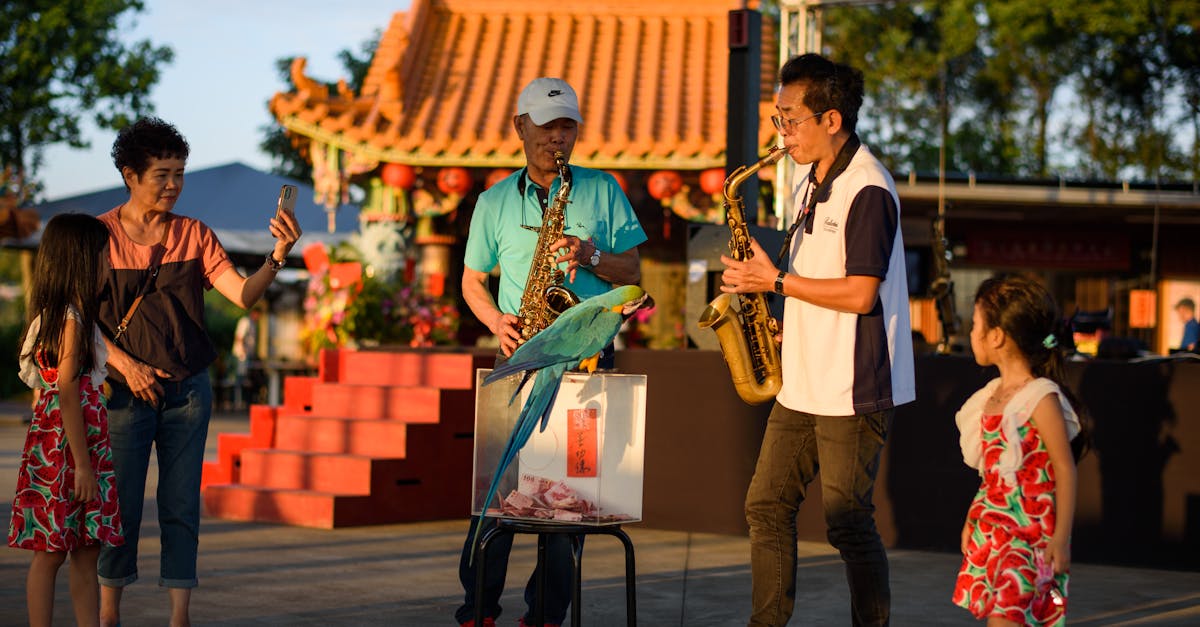
Hong Kong transforms into a kaleidoscope of color and sound during its most significant traditional celebrations, offering visitors an immersive cultural experience that is unmatched anywhere else in Asia. As the Lunar New Year arrives, the city erupts with dazzling lion dances, the intoxicating scent of fireworks, and the iconic flower markets where locals seek good fortune for the coming year; visiting during this time means witnessing a unique blend of ancient tradition and modern vibrancy, even as crowds swell to their peak. Similarly, the Mid-Autumn Festival illuminates the night sky with thousands of lanterns at the renowned Lai Chi Kok Park and the vibrant mooncake fairs, while the winter season brings the spectacular Hong Kong Christmas Market and the glittering skyline adorned with festive lights, creating a magical atmosphere perfect for evening strolls along Victoria Harbour.
While these festivals are undeniably the highlight of a trip, they also bring distinct challenges regarding accommodation availability and transportation congestion that require strategic planning. If you choose to visit during Chinese New Year or the Mid-Autumn Festival, it is advisable to book your hotel and flights months in advance, as domestic travel surges significantly and many local businesses may close for several days. However, the trade-off is worth it for those seeking to witness the authentic spirit of Hong Kong, as the streets come alive with community gatherings, special seasonal menus at dim sum restaurants, and performances that showcase the city's deep-rooted heritage, making these periods the most memorable times to capture the true soul of the destination despite the bustling crowds.
 This photo was taken by Max Chen on Pexels.
Avoiding Peak Seasons: When to Beat the Crowds for a Relaxed Trip
 This photo was taken by Erik Mclean on Pexels.